
Pursuing a degree in mechanical engineering at Western University is both demanding and rewarding. As a third-year student, individuals find themselves deeply immersed in advanced coursework, collaborative projects, and the application of theoretical knowledge to real-world problems. This stage is crucial for building technical expertise and preparing for professional careers. Understanding the daily rhythm of such a student provides insight into the dedication, time management, and passion required to succeed in this field.
Morning Routine: Balancing Preparation and Productivity
The day for a third-year mechanical engineering student at Western University typically begins early, with a structured morning routine designed to maximize productivity. After waking up around 7:00 AM, students often review lecture notes or prepare for upcoming classes during breakfast. This quiet time helps reinforce concepts and sets a focused tone for the day ahead.
Time management is critical in these early hours. Many students utilize planners or digital calendars to organize their schedule, ensuring they allocate sufficient time for lectures, lab sessions, and study periods. This preparation minimizes stress and keeps them on track for their demanding workload.
Additionally, some students incorporate brief physical activity or mindfulness practices to enhance concentration and energy levels. A short jog or meditation session can significantly improve mental clarity, which is especially beneficial before tackling complex engineering problems.
Lectures and Tutorials: Diving Deep into Core Concepts
By mid-morning, students attend lectures that cover advanced topics such as thermodynamics, fluid mechanics, and materials science. These sessions are intensive, often involving detailed mathematical derivations and problem-solving exercises. Professors at Western University emphasize not only theoretical understanding but also practical applications.
Tutorials supplement lectures by offering smaller group settings where students can engage in discussions, clarify doubts, and work through challenging problems collaboratively. This interactive environment fosters deeper comprehension and allows students to apply concepts in a supportive setting.
Active participation during these sessions is essential. Students frequently take notes meticulously and ask questions to ensure they grasp complex theories. Mastery of these foundational subjects is critical for succeeding in subsequent design and laboratory courses.
Laboratory Work: Hands-On Application of Engineering Principles
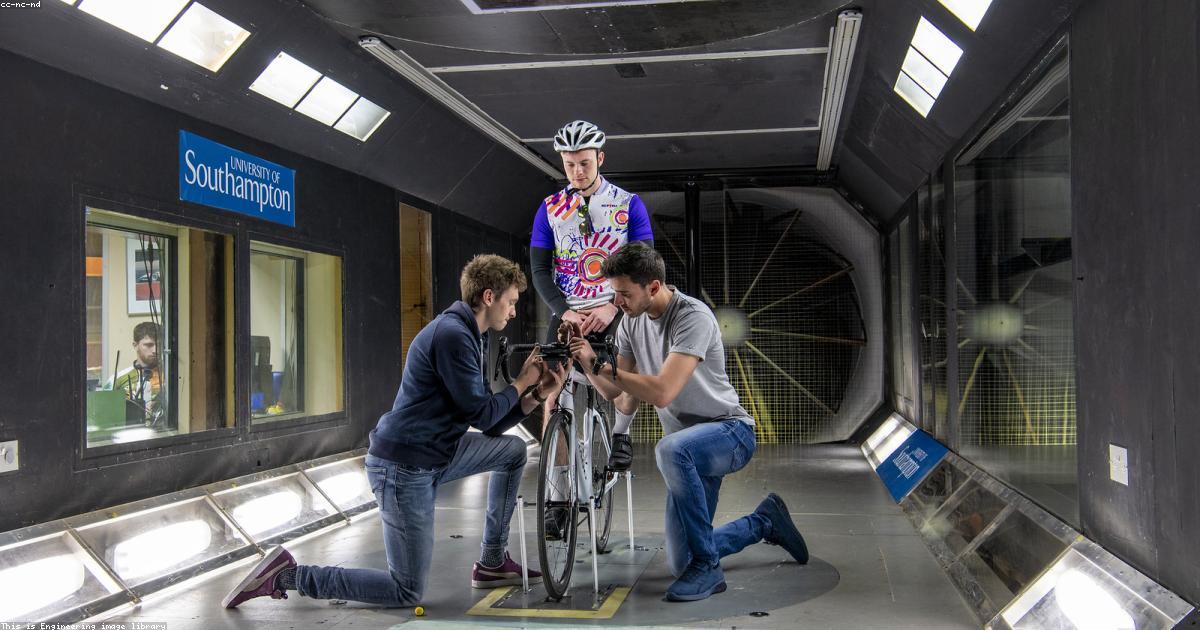
Afternoon lab sessions are a cornerstone of the mechanical engineering curriculum at Western University. Here, students translate classroom knowledge into practical experiments, such as stress testing materials or analyzing fluid flow in controlled environments. These experiences develop technical skills and reinforce theoretical learning.
Labs often require teamwork, fostering collaboration and communication among peers. Students must plan experiments, operate sophisticated equipment, and collect accurate data. This process cultivates problem-solving abilities and attention to detail, both vital for engineering careers.
Instructors guide students through safety protocols and experimental procedures, ensuring a secure and effective learning environment. Reflecting on lab results and preparing reports further enhances critical thinking and technical writing skills.
Project Work and Design Challenges: Creativity Meets Engineering
Outside of scheduled classes, third-year students engage in project work that tests their creativity and engineering acumen. This often involves designing mechanical systems or components using CAD software, simulating performance, and preparing presentations to communicate their solutions effectively.
These projects are typically team-based, mirroring professional engineering environments. Collaboration requires coordinating schedules, dividing tasks according to strengths, and resolving conflicts constructively. Such experiences prepare students for future workplace dynamics.
The iterative process of prototyping and refining designs encourages innovation and resilience. Students learn to embrace feedback and adapt their approaches, honing skills that are invaluable in research and development roles.
Campus Life and Extracurricular Activities: Building Community and Skills
Mechanical engineering students at Western University also invest time in extracurricular activities that complement their academic pursuits. Participation in engineering clubs, competitions, or volunteer initiatives broadens their network and enhances soft skills like leadership and teamwork.
Events such as hackathons or design competitions provide platforms to apply knowledge under time constraints, fostering quick thinking and creativity. These experiences often lead to internships or co-op opportunities, bridging the gap between education and industry.
Balancing academics with social engagement is important for well-being. Students often gather in study groups or attend campus events, creating a supportive community that makes the rigorous program more manageable and enjoyable.
Evening Study Sessions: Consolidating Knowledge and Preparing Ahead
Evenings are dedicated to reviewing lecture materials, completing assignments, and preparing for upcoming exams. Third-year mechanical engineering courses demand consistent study habits to keep pace with complex subjects and cumulative content.
Students often use university libraries or quiet study areas equipped with resources and peer support. Group study sessions enable sharing of insights and tackling difficult problems collaboratively, enhancing understanding and retention.
Time is also allocated for software practice, such as honing skills in MATLAB, SolidWorks, or other engineering tools. Mastery of these programs is essential for coursework and future engineering roles, making evening study sessions highly productive.
Personal Time and Self-Care: Maintaining Balance and Focus
Despite a packed schedule, maintaining personal well-being is a priority. Many students carve out time in the evening for relaxation, hobbies, or connecting with friends and family. This balance helps prevent burnout and sustains motivation throughout the semester.
Healthy habits such as proper nutrition, adequate sleep, and physical exercise contribute significantly to academic performance. Western University provides facilities like gyms and wellness programs that students utilize to support their health.
Mindfulness and stress management techniques are increasingly popular among engineering students. Practices like yoga or journaling help manage the pressures of rigorous coursework, fostering a holistic approach to education and personal development.
Looking Ahead: Preparing for Career and Graduate Opportunities
As the day winds down, third-year mechanical engineering students often reflect on their career aspirations and next steps. This period is critical for identifying internships, research opportunities, and graduate school options that align with their interests.
Western University’s career services and faculty advisors play pivotal roles in guiding students through resume building, interview preparation, and networking events. Engaging with alumni and industry professionals helps students gain valuable insights and connections.
Setting clear goals and continuously developing both technical and interpersonal skills ensures that students are well-prepared to transition from academia to professional engineering roles or advanced studies.
Conclusion
A day in the life of a third-year mechanical engineering student at Western University is characterized by a blend of rigorous academics, practical experiences, and personal growth. The demanding curriculum challenges students to develop technical expertise while fostering collaboration, creativity, and resilience. Balancing study with extracurricular involvement and self-care creates a well-rounded educational journey that prepares students for successful careers in engineering. Understanding this daily routine highlights the dedication and passion that drive mechanical engineering students toward their future goals.