Educational Resources
Top Instrumentation Software for Engineers: Your Essential Toolkit
For engineers and consultants w...
TAMFIS NIG LTDRC 8067447CAC ACTIVEFinima, Bonny Island, Rivers State

Instrumentation technicians play a critical role in maintaining and optimizing industrial processes by ensuring accurate measurement and control of equipment. To excel in this field, specialized training is essential. The Process Control & Instrumentation 16 Hour Masterclass is an intensive training program designed to equip technicians with fundamental and advanced knowledge in process control, instrumentation calibration, troubleshooting, and maintenance. This article provides an in-depth overview of the masterclass, its curriculum, benefits, and how it prepares participants for real-world industrial challenges.
Instrumentation technicians are vital to industries such as manufacturing, oil and gas, pharmaceuticals, and utilities. They install, calibrate, maintain, and repair instruments and control systems that monitor and regulate processes. These technicians ensure that equipment operates efficiently, safely, and within regulatory standards, minimizing downtime and optimizing production.
The role requires a deep understanding of electrical and electronic systems, sensors, transmitters, and control loops. Technicians must interpret technical drawings, use specialized tools, and apply diagnostic techniques to identify and resolve instrumentation issues promptly.
Given the complexity and critical nature of their work, continuous training is necessary to keep up with evolving technologies and industry standards. The Process Control & Instrumentation 16 Hour Masterclass is tailored to bridge knowledge gaps and enhance practical skills for technicians at various experience levels.
The Process Control & Instrumentation 16 Hour Masterclass is a focused training program that combines theoretical instruction with hands-on exercises. Designed to be completed over two full days or several shorter sessions, it covers essential topics to build a solid foundation in instrumentation and control systems.
This masterclass includes modules on instrumentation fundamentals, process control principles, calibration techniques, troubleshooting methods, and safety protocols. The curriculum emphasizes practical applications to ensure participants can apply learned concepts directly in the field.
In addition to lectures and demonstrations, the course features interactive workshops where trainees practice using calibration tools, interpret process control diagrams, and simulate problem-solving scenarios. This approach fosters critical thinking and confidence in handling real-world instrumentation challenges.
The masterclass curriculum starts with instrumentation basics, covering types of sensors and transmitters, signal types, and measurement principles. This foundational knowledge is crucial for understanding how instruments interact within process control systems.
Process control fundamentals form the next module, introducing control loop concepts, PID controllers, and system dynamics. Trainees learn how to analyze and optimize control loops to maintain desired process conditions, enhancing operational efficiency and safety.
Calibration and maintenance techniques are heavily emphasized, teaching participants how to perform accurate instrument calibration using standard procedures and tools. Troubleshooting strategies are also covered extensively, enabling technicians to diagnose and resolve common instrumentation faults effectively.
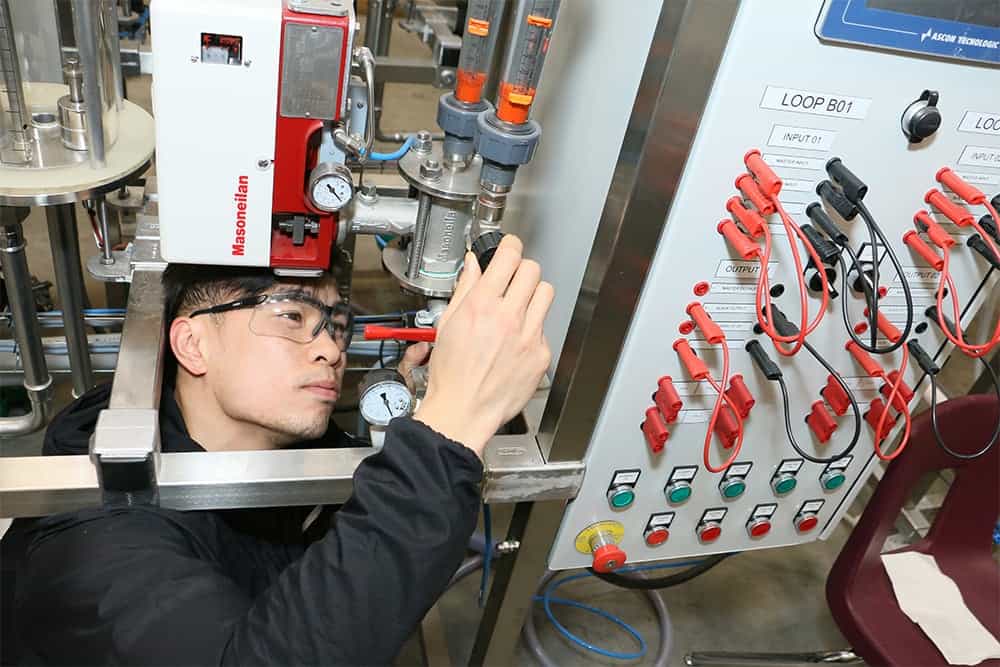
One of the masterclass’s standout features is its emphasis on hands-on training. Participants work directly with instrumentation equipment, calibration devices, and simulation software to reinforce theoretical learning. This practical exposure is essential for skill retention and confidence building.
During practical sessions, trainees calibrate pressure transmitters, temperature sensors, and flow meters under instructor supervision. They also engage in troubleshooting exercises that mimic real industrial scenarios, such as signal loss, sensor drift, and controller malfunctions.
This experiential learning approach allows technicians to develop problem-solving skills, understand equipment behavior, and appreciate the importance of preventive maintenance. It also prepares them to respond swiftly and accurately in high-stakes environments.
The Process Control & Instrumentation 16 Hour Masterclass is highly relevant to industries reliant on automated processes and precise instrumentation. Graduates of this program are better equipped to meet employer expectations and industry standards, making them valuable assets to their organizations.
With increasing automation and digital transformation in industrial sectors, the demand for skilled instrumentation technicians is growing. Completing this masterclass can open doors to advanced roles such as instrumentation specialist, process control engineer, or maintenance supervisor.
Furthermore, the certification earned upon completion demonstrates a commitment to professional development, enhancing a technician’s resume and credibility. This can lead to higher salaries, job security, and opportunities for specialized training in emerging technologies.
Safety is paramount in instrumentation work due to the potential hazards of working with electrical systems, pressurized equipment, and hazardous materials. The masterclass integrates safety training throughout its modules to ensure technicians understand and adhere to best practices.
Participants learn about relevant safety standards, personal protective equipment (PPE), lockout/tagout procedures, and hazard identification. Emphasis is placed on creating a culture of safety to prevent accidents and ensure compliance with regulatory agencies.
By incorporating safety protocols into technical training, the masterclass prepares technicians not only to perform their tasks effectively but also to maintain a safe working environment for themselves and their colleagues.
Selecting a reputable training provider for the Process Control & Instrumentation 16 Hour Masterclass is crucial to gaining quality education. Prospective trainees should look for providers with industry experience, certified instructors, and positive reviews from past participants.
Course format flexibility is another important consideration. Some providers offer in-person training for hands-on experience, while others provide virtual or hybrid options to accommodate different learning preferences and schedules.
Additionally, verifying that the course content aligns with industry standards and covers the latest instrumentation technologies ensures that trainees receive relevant and up-to-date knowledge, maximizing the benefits of the masterclass.
To get the most out of the Process Control & Instrumentation 16 Hour Masterclass, participants should prepare by reviewing basic electrical and instrumentation concepts beforehand. Active participation during practical sessions enhances skill acquisition.
Networking with instructors and fellow trainees can provide valuable industry insights and potential career connections. Asking questions and seeking clarification during the course helps solidify understanding and fosters continuous learning.
Post-training, applying newly acquired skills on the job and pursuing additional certifications or advanced courses can accelerate professional growth. Continuous learning and adaptability are key to thriving in the dynamic field of instrumentation technology.
The Process Control & Instrumentation 16 Hour Masterclass is an invaluable training program for aspiring and practicing instrumentation technicians seeking to enhance their technical expertise and career prospects. By offering a balanced combination of theoretical knowledge and practical application, the masterclass prepares participants to meet the demands of modern industrial environments confidently. Emphasizing safety, calibration accuracy, process control principles, and troubleshooting skills, this training equips technicians to maintain reliable and efficient instrumentation systems. Investing time in such specialized education not only boosts individual competency but also contributes significantly to operational excellence and safety in various industries. For those aiming to advance in the instrumentation field, this masterclass represents a strategic step toward professional growth and success.
Keep reading
Educational Resources
For engineers and consultants w...
Educational Resources
Modern industrial landscapes, from vast petrochemical complexes and power generation plants to intricate manufacturing facilities, are ...
Educational Resources
Instrumentation engineering has evolved significantly with advancements in electronics, digital technologies, control theory, and artif...
TAMFIS NIG LTD
Electrical and instrumentation engineering, bid preparation and consulting, IT and software.