Educational Resources
Top Instrumentation Software for Engineers: Your Essential Toolkit
For engineers and consultants w...
TAMFIS NIG LTDRC 8067447CAC ACTIVEFinima, Bonny Island, Rivers State

Instrumentation and Control Engineering is a pivotal branch of engineering that focuses on designing, developing, and managing systems used to monitor and control industrial processes. The field integrates principles from electronics, mechanics, and computer science to ensure efficient, safe, and reliable operation of complex machinery and processes. Instrumentation and Control Technicians play an essential role in this ecosystem, maintaining and troubleshooting instrumentation equipment to keep industries running smoothly. This article delves into the fundamentals of Instrumentation and Control Engineering, the responsibilities of technicians, required skills, and career opportunities within this vital sector.
Instrumentation and Control Engineering is a specialized discipline that deals with the measurement and control of process variables such as temperature, pressure, flow, and level in various industrial systems. It involves the use of sensors, controllers, transmitters, and actuators to automate and optimize manufacturing and production processes. This engineering field ensures processes operate within desired parameters, enhancing safety, efficiency, and product quality.
The field combines knowledge from multiple engineering domains, including electrical, mechanical, and computer engineering. It requires designing control systems that can respond dynamically to changing conditions, ensuring stability and precision. Instrumentation engineers develop systems that collect real-time data and use feedback loops to adjust operations automatically, reducing human intervention and errors.
Modern Instrumentation and Control Engineering integrates digital technologies such as Programmable Logic Controllers (PLCs), Distributed Control Systems (DCS), and Supervisory Control and Data Acquisition (SCADA) systems. These technologies enable centralized monitoring and control, allowing for sophisticated automation and data analytics to improve process performance and predictive maintenance.
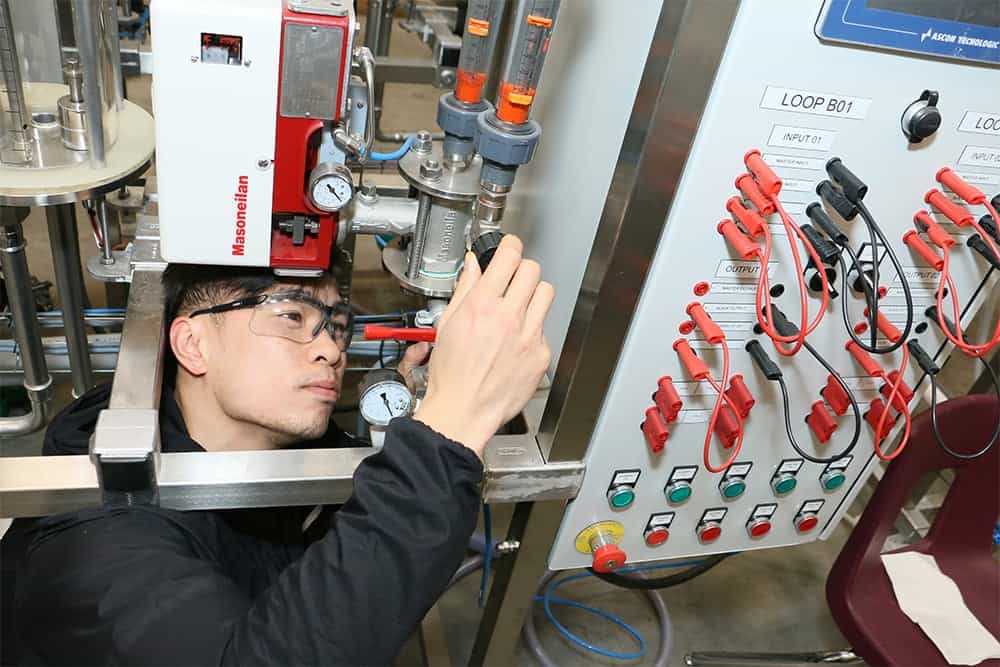
Instrumentation and Control Technicians are skilled professionals responsible for installing, calibrating, maintaining, and repairing instrumentation and control equipment used in industrial environments. They ensure that all devices function correctly and meet required standards to maintain process accuracy and safety. Their hands-on work is critical to preventing downtime and ensuring continuous operation of systems.
Technicians perform routine inspections and tests on instruments such as sensors, transmitters, valves, and control panels. They diagnose malfunctions, replace faulty components, and recalibrate devices to maintain optimal performance. Additionally, they assist engineers in implementing new control systems and upgrading existing infrastructure.
These technicians often work in sectors like oil and gas, manufacturing, power generation, and chemical processing. Their work environments can range from control rooms to field sites, requiring adaptability and strong problem-solving skills. Effective communication with engineers and operators is also essential to coordinate maintenance activities and minimize operational disruptions.
Technical proficiency is fundamental for Instrumentation and Control Technicians. They must have a solid understanding of electrical circuits, pneumatic and hydraulic systems, and digital control technologies. Familiarity with calibration techniques, signal processing, and instrumentation standards is essential to perform accurate diagnostics and repairs.
Analytical and troubleshooting skills are critical to identify and resolve issues quickly. Technicians need to interpret technical manuals, schematics, and control diagrams to understand system configurations and faults. Attention to detail ensures instruments provide precise measurements, which is vital for process control.
Soft skills such as communication, teamwork, and time management also play a significant role. Technicians often collaborate with engineers, operators, and safety personnel to ensure seamless operations. Being able to document procedures and maintenance logs accurately supports compliance with regulatory requirements and continuous improvement efforts.
A career as an Instrumentation and Control Technician typically begins with a diploma or associate degree in instrumentation technology, electronics, or a related engineering field. These programs provide foundational knowledge in electrical systems, control theory, and instrumentation devices along with practical laboratory experience.
Many technicians enhance their qualifications by obtaining certifications such as Certified Control Systems Technician (CCST) or certifications from recognized bodies like the International Society of Automation (ISA). These credentials validate technical skills and improve job prospects by demonstrating professionalism and commitment to industry standards.
Continuous learning is important due to rapid technological advancements. Technicians often attend workshops, training sessions, and refresher courses to stay updated on new instrumentation technologies, software tools, and safety regulations. Employers highly value candidates who show initiative in professional development.
Instrumentation and Control Engineering plays a critical role across a wide range of industries. In manufacturing, it enables automation of assembly lines, ensuring consistent product quality and efficient use of resources. Precise control of temperature, pressure, and flow rates helps optimize chemical reactions and material handling.
In the energy sector, instrumentation systems monitor and control power plants, oil refineries, and renewable energy installations. They ensure safe operation by detecting anomalies such as leaks, overheating, or equipment failures, triggering alarms or shutdown procedures as necessary.
The pharmaceutical and food industries rely heavily on instrumentation to maintain strict environmental conditions and process parameters. Accurate control systems ensure compliance with health and safety regulations, enhancing product safety and traceability. Overall, instrumentation and control technologies drive innovation and sustainability in modern industrial processes.
One significant challenge is keeping pace with rapid technological changes. As industries adopt more advanced automation and IoT-enabled devices, technicians must continually update their skills to handle complex digital systems and cybersecurity concerns related to industrial control networks.
Working in harsh or hazardous environments presents physical challenges. Technicians may be required to operate in confined spaces, at heights, or in extreme temperatures while following strict safety protocols. This demands physical fitness, vigilance, and adherence to safety standards to prevent accidents.
Another challenge is troubleshooting intermittent or complex faults in sophisticated control systems. Diagnosing problems that involve hardware, software, and network components requires a systematic approach, patience, and collaboration with other technical experts to minimize downtime and prevent costly production losses.
Instrumentation and Control Technicians have diverse career opportunities in industries such as petrochemical, manufacturing, aerospace, water treatment, and power generation. With experience, technicians can advance to supervisory roles, overseeing maintenance teams and managing projects.
Further educational qualifications can lead to roles in instrumentation engineering, system design, and automation consultancy. Some technicians transition into specialized areas like calibration engineering, process control optimization, or instrumentation sales and support.
The demand for skilled instrumentation professionals is expected to grow with increasing industrial automation and digital transformation. Technicians who embrace continuous learning and develop expertise in emerging technologies such as smart sensors and industrial IoT will find numerous opportunities for career growth and higher earning potential.
The future of Instrumentation and Control Engineering is being shaped by advancements in artificial intelligence, machine learning, and big data analytics. These technologies enable predictive maintenance, real-time process optimization, and enhanced decision-making capabilities, reducing operational costs and improving reliability.
Integration of wireless sensor networks and Industrial Internet of Things (IIoT) devices is transforming traditional instrumentation systems into interconnected smart networks. This evolution facilitates remote monitoring, flexible manufacturing, and faster response to process changes or faults.
Sustainability and energy efficiency are becoming central considerations. Instrumentation engineers and technicians are developing systems that minimize energy consumption, reduce waste, and support renewable energy integration. The profession will continue evolving to meet the challenges of a digitally connected and environmentally conscious industrial landscape.
Instrumentation and Control Engineering is a vital and evolving discipline that underpins modern industrial automation and process management. Instrumentation and Control Technicians are indispensable in ensuring that complex systems operate reliably and efficiently. As industries continue to embrace digital transformation and smart technologies, the demand for skilled professionals in this field will grow. By acquiring the right education, certifications, and hands-on experience, aspiring technicians can build rewarding careers and contribute to innovative industrial solutions that drive productivity, safety, and sustainability.
Keep reading
Educational Resources
For engineers and consultants w...
Educational Resources
Modern industrial landscapes, from vast petrochemical complexes and power generation plants to intricate manufacturing facilities, are ...
Educational Resources
Instrumentation engineering has moved far beyond basic gauges and dials. Today’s systems combine sensors...
TAMFIS NIG LTD
Electrical and instrumentation engineering, bid preparation and consulting, IT and software.