
Educational Resources
The Impact of Digital Twins in Oil & Gas Plant Maintenance
The Impact of Digital Twins in Oil & Gas Plant Maintenance is a topic that deserves thorough explora...
TAMFIS NIG LTDRC 8067447CAC ACTIVEFinima, Bonny Island, Rivers State

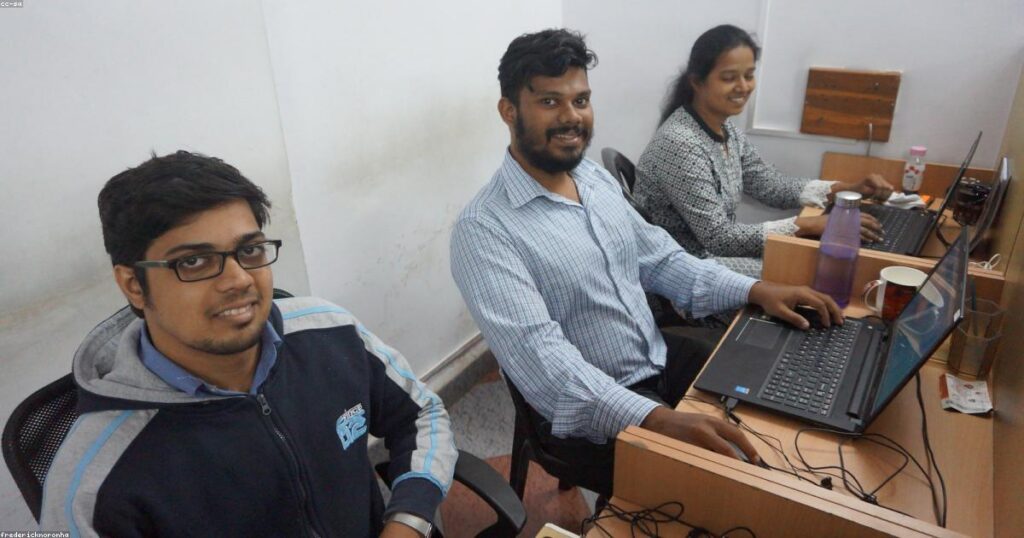
In today’s technology-driven world, the fields of Computer Science, Information Technology, Computing Science, and Computer Engineering are fundamental to innovation and development. However, these terms are frequently misunderstood or used interchangeably, leading to confusion among students, professionals, and enthusiasts. This article aims to demystify these disciplines by exploring their core definitions, educational paths, skill requirements, and career prospects. By the end, you will have a clear understanding of what sets these fields apart and where they intersect, helping you make informed decisions about your education or career trajectory.
Computer Science (CS) is primarily concerned with the theoretical foundations of information and computation. It focuses on algorithms, programming languages, software development, and the mathematical principles that underpin computing. CS professionals design and analyze software systems, develop new algorithms, and explore computational theory.
Information Technology (IT), on the other hand, emphasizes the practical application of technology to manage and process information within organizations. IT professionals are responsible for installing, maintaining, and troubleshooting hardware and software systems, network administration, and ensuring data security and integrity.
While both fields revolve around computers and technology, Computer Science is more theory-oriented and innovation-driven, whereas Information Technology centers on implementing and managing existing technologies to support business operations.
Computer Science curricula generally include courses in programming languages, data structures, algorithms, computer architecture, artificial intelligence, and software engineering. Students learn how to create new software solutions and understand the underlying principles of computation.
In contrast, Information Technology programs focus on networking, database management, system administration, cybersecurity, and IT project management. The coursework prepares students to manage and support technological infrastructure in various organizational contexts.
Due to these curricular distinctions, CS students often develop strong analytical and problem-solving skills related to software creation, while IT students gain expertise in maintaining and optimizing technology systems and ensuring operational continuity.
Graduates in Computer Science typically pursue careers as software developers, systems analysts, data scientists, machine learning engineers, or research scientists. Their work involves designing software, creating algorithms, and developing new technologies.
Information Technology graduates often become network administrators, IT support specialists, cybersecurity analysts, database administrators, or IT project managers. Their roles focus on maintaining IT infrastructure, ensuring network security, and supporting end-users.
While some overlap exists, the core difference lies in CS professionals creating technology solutions, whereas IT professionals implement and manage those solutions within organizations.
Computing Science is often used interchangeably with Computer Science in many regions, emphasizing the scientific and theoretical aspects of computing. It covers algorithm design, computational theory, programming, and software development.
Computer Engineering, however, integrates electrical engineering and computer science principles to design and develop computer hardware and embedded systems. It involves working with microprocessors, circuit design, and hardware-software integration.
While Computing Science centers on software and computational theory, Computer Engineering bridges hardware and software, focusing on the physical components and their efficient operation.
Computing Science programs emphasize software development, algorithms, programming languages, and computational models. Students explore topics such as artificial intelligence, databases, and software engineering, largely from a mathematical and theoretical standpoint.
Computer Engineering curricula blend courses in digital logic, microprocessor design, circuit analysis, embedded systems, alongside programming and software development. This interdisciplinary approach equips students to design hardware components and the software that controls them.
Students interested in creating innovative software solutions or conducting research typically gravitate towards Computing Science, while those fascinated by designing hardware and embedded systems often choose Computer Engineering.
In Computer Science and Computing Science, strong analytical thinking, proficiency in programming languages, problem-solving abilities, and mathematical skills are essential. Creativity and logical reasoning help in designing algorithms and software solutions.
Information Technology and Computer Engineering demand practical skills in hardware management, networking, system troubleshooting, and knowledge of operating systems and security protocols. For Computer Engineering, understanding electronics and hardware design is critical.
While CS and Computing Science focus more on abstract and theoretical problem-solving, IT and Computer Engineering emphasize applied skills to implement, maintain, and innovate technological systems.
Computer Science and Computing Science drive innovation in software development, artificial intelligence, machine learning, big data analytics, and cybersecurity research. These fields are at the forefront of creating new technologies and software products.
Information Technology plays a vital role in managing enterprise systems, cloud computing, network security, and IT service management, ensuring that organizations operate efficiently and securely.
Computer Engineering contributes to advancements in hardware technology, IoT devices, robotics, embedded systems, and telecommunications infrastructure, bridging the gap between hardware capabilities and software functionalities.
Your choice between Computer Science, Information Technology, Computing Science, or Computer Engineering should align with your interests and career goals. If you enjoy coding, algorithms, and software development, CS or Computing Science may suit you best.
If you prefer working with hardware, designing circuits, and integrating software with physical components, Computer Engineering is the optimal path. For those interested in managing systems, networks, and IT infrastructure, Information Technology offers practical opportunities.
Consider your strengths, desired work environment, and long-term objectives when selecting a discipline. Researching specific programs and industry demands can also guide your decision.
Understanding the distinctions between Computer Science, Information Technology, Computing Science, and Computer Engineering is crucial for making informed educational and career choices. While these fields share a common foundation in computing, their focus areas, skill requirements, and career trajectories differ significantly. Whether you aspire to innovate through software, manage complex IT systems, or engineer cutting-edge hardware, recognizing these differences will empower you to pursue a path aligned with your interests and strengths. As technology continues to evolve, expertise across these domains will remain vital, offering diverse opportunities for growth and impact.
Keep reading
Educational Resources
The Impact of Digital Twins in Oil & Gas Plant Maintenance is a topic that deserves thorough explora...
Educational Resources
In today’s fast-paced digital landscape, the speed of your WordPress website plays a pivotal role in use...
Educational Resources
Smart homes have transitioned from futuristic concepts to tangible realities that enhance everyday livin...
TAMFIS NIG LTD
Electrical and instrumentation engineering, bid preparation and consulting, IT and software.