
Educational Resources
The Impact of Digital Twins in Oil & Gas Plant Maintenance
The Impact of Digital Twins in Oil & Gas Plant Maintenance is a topic that deserves thorough explora...
TAMFIS NIG LTDRC 8067447CAC ACTIVEFinima, Bonny Island, Rivers State

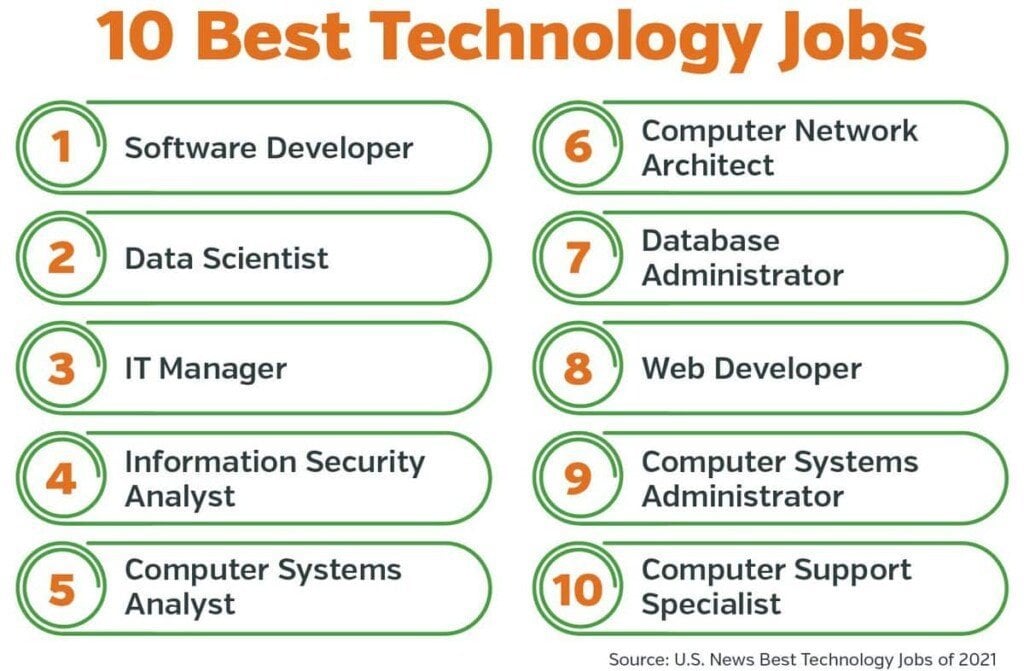
The information technology (IT) sector continues to be a dynamic and rapidly evolving industry, offering numerous job opportunities globally. In 2024, Linux skills remain among the most sought-after in IT job markets, as Linux powers a vast majority of servers, cloud platforms, and enterprise systems. Enrolling in a complete Linux training course can significantly enhance your technical expertise, making you a competitive candidate for a wide range of IT roles. This article delves into the importance of Linux in IT careers, highlights trending IT jobs, and outlines how comprehensive Linux training can help you secure your dream IT job in 2024.
The IT industry is witnessing unprecedented growth fueled by digital transformation, cloud computing, cybersecurity needs, and data analytics. Organizations across sectors are investing heavily in technology infrastructure, driving demand for skilled IT professionals. This trend is set to continue in 2024, with numerous job openings in software development, system administration, network engineering, and IT support.
Emerging technologies such as artificial intelligence, machine learning, and Internet of Things (IoT) are also creating new roles and specialties within the IT domain. However, foundational skills, especially proficiency in operating systems like Linux, remain critical for most IT positions. Linux’s open-source nature and versatility make it indispensable in enterprise environments, cloud platforms, and development pipelines.
For job seekers, understanding current market trends and aligning skillsets accordingly is crucial. IT professionals who can demonstrate expertise in Linux alongside other complementary technologies are more likely to secure competitive roles and enjoy career advancement opportunities.
Linux is the backbone of many IT infrastructures, powering over 70% of web servers globally and dominating cloud environments such as AWS, Google Cloud, and Microsoft Azure. Its stability, security, and flexibility make it the preferred operating system for developers, system administrators, and DevOps engineers.
In addition to server management, Linux skills are vital for scripting, automation, and managing container technologies like Docker and Kubernetes. These capabilities are integral to modern IT workflows, ensuring efficient deployment and scaling of applications.
Employers highly value candidates who can navigate Linux environments confidently, troubleshoot issues, and optimize system performance. Mastery of Linux commands, file systems, permissions, and networking fundamentals enhances your ability to contribute effectively in various IT roles.
A comprehensive Linux training course typically covers fundamental to advanced topics, starting with installation, basic commands, and file system navigation. Trainees learn to manage users, permissions, and processes, which are essential for system administration.
Advanced modules often include shell scripting, package management, network configuration, and security hardening. Courses may also introduce Linux-based virtualization, containerization, and cloud integration, reflecting real-world IT environments.
Such training programs are designed to be hands-on, with practical labs and projects that simulate workplace scenarios. This experiential learning approach ensures participants gain confidence in applying Linux skills to solve complex problems, preparing them for certification exams and professional roles.
System Administrator roles frequently require Linux proficiency to install, configure, and maintain servers, ensuring uptime and performance. These professionals also implement security protocols and perform regular backups to safeguard data integrity.
DevOps Engineer positions demand Linux knowledge for automating deployment pipelines, managing infrastructure as code, and orchestrating containerized applications. Familiarity with Linux-based tools accelerates continuous integration and delivery processes.
Cloud Engineer and Site Reliability Engineer (SRE) roles also rely heavily on Linux skills. These jobs involve managing cloud infrastructure, monitoring system health, and troubleshooting issues to maintain seamless service availability.
Additionally, cybersecurity analysts and penetration testers use Linux platforms for vulnerability assessments, security audits, and forensic investigations, highlighting Linux’s critical role across IT job functions.
Selecting a Linux training course should align with your current skill level and career objectives. Beginners should seek courses covering foundational topics with clear explanations and practical exercises to build confidence.
For IT professionals aiming at advanced roles, courses offering in-depth content on automation, security, and cloud integration are ideal. Look for programs that include certification preparation, such as CompTIA Linux+, LPIC, or Red Hat certifications, which enhance employability.
Consider the course format—whether instructor-led, self-paced, or blended learning—and ensure it provides access to labs or virtual environments. Reviews, instructor expertise, and course updates reflecting the latest Linux versions and best practices are also important factors.
Linux certifications validate your expertise and commitment to mastering this critical technology, giving you a competitive edge in the job market. Employers often prioritize candidates with recognized credentials during hiring and promotions.
Certifications such as Red Hat Certified System Administrator (RHCSA) or Linux Professional Institute Certification (LPIC) demonstrate proficiency in real-world Linux administration tasks, reinforcing your practical capabilities.
Beyond improving job prospects, certification programs enhance your problem-solving skills and deepen your understanding of Linux systems. This foundation supports continuous learning and adaptability, vital traits in the fast-evolving IT landscape.
After completing Linux training, build a portfolio showcasing projects like server setups, scripting tasks, or automation workflows. Demonstrating hands-on experience is crucial during interviews and networking events.
Engage with IT communities, forums, and open-source projects to expand your network and stay updated on industry trends. Connections made through these platforms can lead to referrals and job opportunities.
Tailor your resume and LinkedIn profile to highlight Linux skills and certifications prominently. Prepare for technical interviews by practicing common Linux problem-solving scenarios and staying familiar with command-line tools.
Continuous learning and upskilling, including exploring complementary areas such as cloud services and security, will increase your versatility and attractiveness to potential employers.
In 2024, mastering Linux through a comprehensive training course is a strategic move for anyone aspiring to thrive in the information technology sector. Linux remains a foundational technology across numerous IT domains, and proficiency in it opens doors to diverse and rewarding job opportunities. By selecting the right training program, earning relevant certifications, and actively applying your skills, you can position yourself as a valuable asset to employers. Embrace continuous learning and take proactive steps to build your Linux expertise—this will be instrumental in securing your dream IT job and advancing your career in the competitive technology landscape.
Keep reading
Educational Resources
The Impact of Digital Twins in Oil & Gas Plant Maintenance is a topic that deserves thorough explora...
Educational Resources
In today’s fast-paced digital landscape, the speed of your WordPress website plays a pivotal role in use...
Educational Resources
Smart homes have transitioned from futuristic concepts to tangible realities that enhance everyday livin...
TAMFIS NIG LTD
Electrical and instrumentation engineering, bid preparation and consulting, IT and software.