Educational Resources
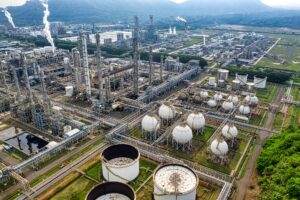
The Impact of Digital Twins in Oil & Gas Plant Maintenance
The Impact of Digital Twins in Oil & Gas Plant Maintenance is a topic that deserves thorough explora...
TAMFIS NIG LTDRC 8067447CAC ACTIVEFinima, Bonny Island, Rivers State


Trade reconstruction is a critical process in the aftermath of economic disruptions caused by conflicts, natural disasters, or global crises. Rebuilding and revitalizing trade networks require efficient coordination, transparency, and innovative tools. Information technology (IT) has emerged as a transformative force in facilitating trade reconstruction by enabling better data management, enhancing communication, and streamlining logistics. This article explores the multifaceted role of IT in trade reconstruction and outlines practical strategies to leverage technology for improving trade recovery.
Trade reconstruction involves the restoration of commercial activities, supply chains, and market access in regions affected by disruptions. These disruptions may stem from wars, natural disasters, pandemics, or economic sanctions. The process is complex, requiring coordination among governments, businesses, and international organizations to reestablish functional trade systems.
Challenges in trade reconstruction include damaged infrastructure, fragmented supply chains, lack of transparent data, and regulatory hurdles. Additionally, trust deficits among trading partners and limited access to capital can slow recovery efforts. Addressing these issues demands innovative approaches and efficient resource management.
Information technology provides vital tools to overcome these challenges by improving communication channels, enabling real-time data sharing, and automating processes. Understanding the specific obstacles faced during trade reconstruction is essential to harness IT solutions effectively and tailor them to local contexts.
Information technology has revolutionized the way trade systems operate by introducing digital platforms that facilitate faster and more transparent transactions. In trade reconstruction, IT helps rebuild trust among stakeholders through secure data sharing and traceability of goods and services.
Digital tools such as blockchain, cloud computing, and Internet of Things (IoT) devices enhance supply chain visibility and integrity. They allow stakeholders to track shipments, verify product origins, and ensure compliance with regulations, which is critical during reconstruction phases when oversight is paramount.
Moreover, IT streamlines customs and border processes by digitizing paperwork and automating inspections. This reduces delays and costs associated with traditional manual procedures, enabling quicker resumption of trade activities and improved economic stability.
Data analytics plays a pivotal role in trade reconstruction by providing insights into market trends, demand patterns, and supply chain bottlenecks. Governments and businesses can use these insights to prioritize investments and allocate resources more effectively.
Advanced analytics tools analyze large datasets from customs records, shipping manifests, and economic indicators to identify vulnerabilities and opportunities within trade networks. Predictive analytics also help forecast potential disruptions, allowing proactive mitigation strategies.
By harnessing data-driven decision-making, stakeholders can optimize reconstruction efforts, reduce waste, and improve overall trade efficiency. This approach also supports transparency and accountability, which are essential for attracting foreign investment during recovery.
Effective communication is fundamental to successful trade reconstruction. IT platforms such as enterprise resource planning (ERP) systems, customer relationship management (CRM) tools, and collaborative software enable seamless interactions between different stakeholders.
These platforms facilitate information sharing between government agencies, exporters, importers, logistics providers, and financial institutions. Enhanced collaboration helps synchronize activities, reduce redundancies, and expedite problem-solving during reconstruction.
Furthermore, virtual meeting tools and cloud-based environments support remote coordination, which is particularly valuable in post-disaster or conflict zones where physical access may be limited. IT-enabled communication thus ensures continuity and efficiency in trade recovery processes.
Robust digital infrastructure forms the backbone of IT-enabled trade reconstruction. Investments in broadband connectivity, data centers, and cybersecurity frameworks are essential to support growing digital trade activities.
Developing e-commerce platforms and digital payment systems expands market access for local producers and facilitates cross-border transactions. This encourages diversification and resilience in trade ecosystems, reducing dependence on traditional channels vulnerable to disruption.
Additionally, governments must implement policies that promote digital literacy and inclusion to ensure that small and medium enterprises (SMEs) can participate in the digital economy. Inclusive digital infrastructure fosters equitable trade recovery and long-term economic growth.
Blockchain technology offers a decentralized ledger system that enhances transparency and security in trade reconstruction. It allows immutable recording of transactions, reducing fraud and increasing trust among trading partners.
By using blockchain, stakeholders can verify the authenticity of documents such as certificates of origin, invoices, and licenses. This verification process reduces delays caused by disputes or counterfeit goods, which are common challenges during reconstruction.
Additionally, blockchain facilitates smart contracts that automate payment and delivery upon meeting predefined conditions. This automation streamlines trade operations, reduces administrative costs, and accelerates the rebuilding of supply chains.
Effective use of information technology in trade reconstruction depends on the availability of skilled personnel capable of managing digital tools and platforms. Capacity building initiatives are critical to equip stakeholders with necessary technical and managerial skills.
Training programs, workshops, and e-learning modules can help government officials, business leaders, and workers adapt to new technologies and processes. This ensures smooth adoption and maximizes the benefits of IT investments.
Furthermore, fostering partnerships with academic institutions and technology providers encourages innovation and continuous improvement. A skilled workforce enhances resilience and adaptability, enabling sustained trade growth beyond initial reconstruction phases.
Emerging technologies such as artificial intelligence (AI) and the Internet of Things (IoT) are set to further transform trade reconstruction by providing advanced automation and real-time monitoring capabilities.
AI-powered systems can optimize logistics routes, predict equipment failures, and enhance demand forecasting, reducing costs and improving reliability. IoT devices enable continuous tracking of goods and environmental conditions, ensuring quality and compliance.
Integrating these technologies creates smart trade ecosystems that are more resilient to shocks and adaptable to changing market demands. Policymakers and businesses that embrace AI and IoT will position themselves at the forefront of efficient and sustainable trade reconstruction.
In conclusion, information technology serves as a powerful catalyst for trade reconstruction by addressing key challenges and enabling efficient recovery processes. From enhancing transparency with blockchain to leveraging data analytics for strategic planning, IT empowers stakeholders to rebuild trade networks that are more resilient and dynamic. Investments in digital infrastructure and human capital further ensure that these gains are sustainable. As emerging technologies continue to evolve, integrating AI and IoT will unlock new potentials for trade recovery, positioning economies to better withstand future disruptions. Embracing IT-driven strategies is therefore indispensable for improving trade reconstruction and fostering long-term economic growth.
Keep reading
Educational Resources
The Impact of Digital Twins in Oil & Gas Plant Maintenance is a topic that deserves thorough explora...
Educational Resources
In today’s fast-paced digital landscape, the speed of your WordPress website plays a pivotal role in use...
Educational Resources
Smart homes have transitioned from futuristic concepts to tangible realities that enhance everyday livin...
TAMFIS NIG LTD
Electrical and instrumentation engineering, bid preparation and consulting, IT and software.