
Educational Resources
The Impact of Digital Twins in Oil & Gas Plant Maintenance
The Impact of Digital Twins in Oil & Gas Plant Maintenance is a topic that deserves thorough explora...
TAMFIS NIG LTDRC 8067447CAC ACTIVEFinima, Bonny Island, Rivers State

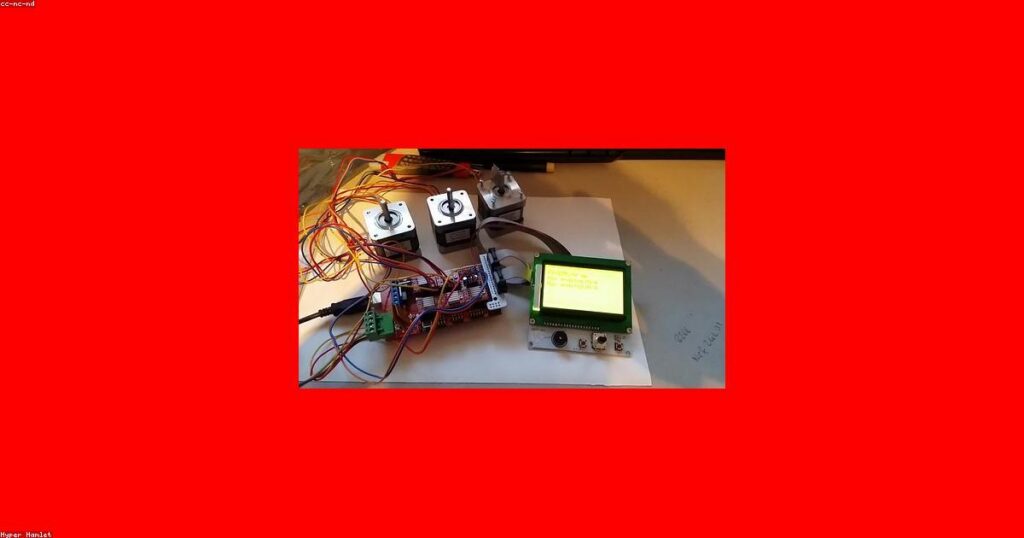
Microcontroller-based projects are pivotal for electronics engineering students, especially in their formative years. For 2nd year students, working on such projects not only reinforces theoretical knowledge but also hones practical skills essential for their future careers. In 2023, with the rapid evolution of technology, several innovative project ideas have emerged that blend creativity with technical learning. This article presents the top 12 microcontroller-based electronics projects tailored to 2nd year electronics engineering students, helping them build a strong foundation while staying updated with current trends. Each project idea is designed to be engaging, educational, and feasible within an academic environment.
Microcontrollers serve as the brain behind numerous electronic systems, making their understanding crucial for electronics engineering students. Projects based on microcontrollers provide hands-on experience, allowing students to implement concepts learned in lectures practically. This approach bridges the gap between theory and real-world applications, fostering a deeper grasp of embedded systems and programming.
For 2nd year students, engaging in microcontroller projects is an excellent way to develop problem-solving skills and enhance creativity. These projects often require integrating various components such as sensors, actuators, and communication modules, providing comprehensive exposure to system design and integration.
Moreover, microcontroller projects encourage students to write efficient code, debug hardware-software interactions, and understand timing and control mechanisms. This foundational experience is invaluable as they progress to advanced topics and professional work in electronics and embedded systems.
When choosing projects for 2nd year students, it is essential to consider their current knowledge level and available resources. The projects should be challenging enough to promote learning but not too complex to cause frustration. A balance between hardware assembly and programming complexity is ideal.
Projects should emphasize fundamental concepts such as input/output interfacing, sensor integration, and basic communication protocols like UART, SPI, or I2C. This ensures students gain practical knowledge applicable to diverse electronic systems.
Additionally, projects with real-world applications motivate students by demonstrating the relevance of their work. Incorporating elements like automation, control systems, and data acquisition can make projects more engaging and beneficial for future career prospects.
1. Automated Plant Watering System: Utilizing sensors to monitor soil moisture and control water pumps, this project teaches sensor interfacing and actuator control. It introduces concepts like threshold-based decision making and energy efficiency.
2. Digital Temperature and Humidity Monitor: Using a microcontroller with DHT11 or DHT22 sensors, students can build a device to display environmental parameters on an LCD. This project covers data acquisition, signal processing, and display interfacing.
3. Home Security System with GSM Alert: This project involves motion sensors and a GSM module to send alerts during unauthorized access. It enhances understanding of communication protocols and real-time monitoring.
4. Line Following Robot: A classic robotics project where students program a microcontroller to control motors based on sensor input. It develops skills in sensor integration, motor control, and algorithm design.
5. Smart Energy Meter: This project measures power consumption using current and voltage sensors, displaying data on an LCD or sending it to a PC. It introduces analog-to-digital conversion and data logging.
6. Traffic Light Controller: Simulating real-world traffic signals using LEDs and microcontrollers, this project teaches timing control, sequencing, and embedded programming.
7. Digital Dice Using Microcontroller: A simple yet effective project where a microcontroller generates random numbers displayed via LEDs. It helps students understand random number generation and output interfacing.
8. Ultrasonic Distance Measurement System: Incorporating ultrasonic sensors to measure distance and display results on an LCD, this project covers sensor interfacing and signal timing.
9. Automatic Room Light Controller: Using LDR sensors and microcontrollers to control lighting based on ambient light, this project focuses on sensor data interpretation and relay control.
10. Voice Controlled Home Automation: Integrating voice recognition modules with microcontrollers to control appliances, this project introduces advanced interfacing and communication techniques.
11. Bluetooth Controlled Robot: Combining microcontrollers with Bluetooth modules to remotely control a robot, students learn wireless communication and motor control.
12. Smart Parking System: Using IR sensors and microcontrollers to detect parking slot availability, this project provides experience in sensor networks and display systems.
The selection of components plays a critical role in the success of microcontroller projects. Common microcontrollers used in 2nd year projects include Arduino, PIC, and AVR series, each offering unique features and programming environments suitable for beginners.
Sensors such as temperature, humidity, ultrasonic, infrared, and light-dependent resistors are integral for interacting with the environment. Actuators like motors, relays, and buzzers enable the microcontroller to perform physical actions based on sensor inputs.
Development tools such as IDEs (Integrated Development Environments), compilers, and debuggers are necessary for coding and troubleshooting. Additionally, simulation software can help students test their designs before hardware implementation, saving time and resources.
C and C++ are the predominant programming languages for microcontroller projects due to their efficiency and control over hardware resources. Learning these languages enables students to write optimized code tailored to embedded systems.
Understanding concepts like interrupts, timers, and communication protocols is essential for handling real-time operations and peripheral interfacing. These techniques improve the responsiveness and functionality of the projects.
Students should also familiarize themselves with debugging methods and code optimization strategies. Writing modular and well-documented code enhances maintainability and eases troubleshooting during project development.
One common challenge is the limited prior experience with hardware and programming, which can make project initiation daunting. To address this, students should start with simpler projects and gradually increase complexity as their confidence grows.
Another difficulty is troubleshooting hardware-software integration issues. Developing systematic testing and debugging approaches, such as isolating components and using diagnostic tools, can simplify problem-solving.
Time management is also crucial, as students balance academics and project work. Planning project milestones, seeking guidance from mentors, and collaborating with peers can help maintain steady progress and learning.
Microcontroller projects lay the groundwork for advanced studies and careers in embedded systems, IoT (Internet of Things), robotics, and automation. Mastery of microcontroller applications opens doors to diverse industries including automotive, aerospace, consumer electronics, and healthcare.
By building a robust project portfolio during the 2nd year, students enhance their resumes, making them more attractive to recruiters and internship providers. Practical experience often distinguishes candidates in competitive job markets.
Continued innovation in microcontroller technologies promises abundant opportunities for creative problem-solving and entrepreneurship. Students equipped with these skills can contribute to cutting-edge developments and potentially launch their own tech ventures.
Microcontroller-based projects serve as a cornerstone in the educational journey of 2nd year electronics engineering students. The diverse and innovative projects outlined for 2023 not only reinforce fundamental concepts but also inspire creativity and problem-solving skills. By engaging with these projects, students gain hands-on experience that prepares them for advanced studies and professional challenges in the rapidly evolving electronics industry. Embracing these opportunities will undoubtedly pave the way for a successful and fulfilling career in electronics engineering.
Keep reading
Educational Resources
The Impact of Digital Twins in Oil & Gas Plant Maintenance is a topic that deserves thorough explora...
Educational Resources
Smart homes have transitioned from futuristic concepts to tangible realities that enhance everyday livin...
Educational Resources
As a small or medium-sized business owner in Nigeria, you are a master of spinning plates. You are the CEO, the head of sales,…
TAMFIS NIG LTD
Electrical and instrumentation engineering, bid preparation and consulting, IT and software.

