
Educational Resources
The Impact of Digital Twins in Oil & Gas Plant Maintenance
The Impact of Digital Twins in Oil & Gas Plant Maintenance is a topic that deserves thorough explora...
TAMFIS NIG LTDRC 8067447CAC ACTIVEFinima, Bonny Island, Rivers State

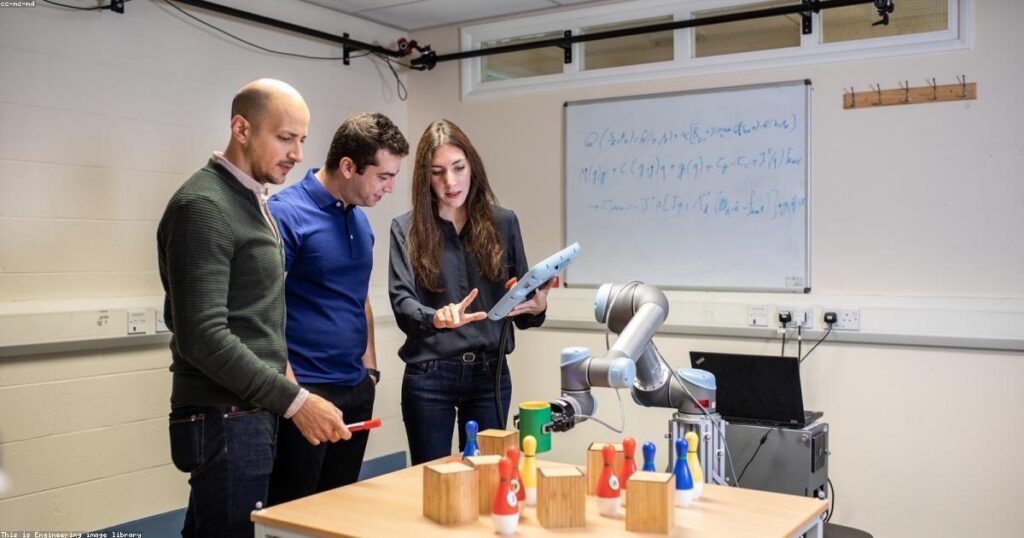
Penn State Behrend offers a robust Electrical and Computer Engineering Technology (ECET) program designed to equip students with the technical skills and knowledge necessary to excel in the rapidly evolving electronics engineering landscape. As technology continues to advance, the demand for skilled professionals in electronics, electrical systems, and computer engineering technology grows exponentially. Penn State Behrend’s program emphasizes both theoretical foundations and practical applications, ensuring graduates are well-prepared to meet industry challenges and innovate in their careers.
The Electrical and Computer Engineering Technology program at Penn State Behrend focuses on providing students with a comprehensive understanding of electronics, electrical circuits, digital systems, and computer technologies. The curriculum blends core engineering principles with hands-on laboratory experiences, fostering both conceptual knowledge and practical skills.
Students engage with a diverse range of subjects, including microcontrollers, embedded systems, communication networks, and control systems. This multidisciplinary approach prepares graduates to work effectively in various sectors such as manufacturing, telecommunications, automation, and computer hardware development.
Penn State Behrend emphasizes experiential learning, giving students access to state-of-the-art laboratories and industry-standard equipment. This environment nurtures innovation and critical thinking, empowering students to solve real-world engineering problems confidently.
The ECET curriculum at Penn State Behrend is structured to balance foundational engineering courses with specialized technical training. Students begin with core mathematics, physics, and introductory engineering courses before advancing to specialized topics like digital electronics, microprocessor systems, and power electronics.
Laboratory courses are integral to the program, allowing students to apply theoretical concepts through experiments and projects. These labs cover circuit design, signal processing, embedded programming, and system integration, reinforcing students’ technical competencies.
In addition to technical courses, the program incorporates communication, teamwork, and project management skills, recognizing their importance in professional engineering environments. This holistic academic approach ensures students are well-rounded and industry-ready upon graduation.
Hands-on experience is a cornerstone of the Electrical and Computer Engineering Technology program at Penn State Behrend. Students utilize advanced laboratory facilities equipped with oscilloscopes, logic analyzers, programmable microcontrollers, and simulation software.
These facilities support a variety of projects, from designing embedded systems to developing communication protocols and power management solutions. The practical exposure helps students build confidence in troubleshooting, design optimization, and system testing.
Collaborative lab projects encourage teamwork and innovation, simulating real-world engineering scenarios. Faculty mentors guide students through complex technical challenges, enhancing learning outcomes and fostering a culture of continuous improvement.
Penn State Behrend’s ECET program is supported by a dedicated faculty team with extensive industry experience and research backgrounds in electronics, embedded systems, and computer engineering technology. Their expertise enriches classroom instruction and mentorship.
Faculty members actively engage in research projects related to IoT devices, renewable energy systems, automation, and cyber-physical systems. Students have opportunities to participate in these projects, gaining valuable research experience and exposure to cutting-edge technologies.
This close faculty-student interaction facilitates personalized guidance, helping students tailor their academic paths to align with career goals or advanced study aspirations. The research culture at Penn State Behrend encourages innovation and critical inquiry.
Graduates of the Electrical and Computer Engineering Technology program at Penn State Behrend are well-positioned for careers in electronics design, systems integration, telecommunications, manufacturing, and IT infrastructure. The program’s strong technical foundation and practical experience meet the needs of diverse employers.
Penn State Behrend maintains robust connections with regional and national industries, facilitating internships, cooperative education opportunities, and job placements for students. These partnerships provide valuable hands-on experience and professional networking avenues.
Alumni of the program have secured positions in leading companies across sectors such as aerospace, automotive electronics, consumer electronics, and energy systems. The program’s reputation for producing skilled, adaptable engineers enhances employability and career advancement.
The ECET program encourages student engagement beyond the classroom through participation in engineering clubs, honor societies, and competitive teams. Organizations like the Institute of Electrical and Electronics Engineers (IEEE) student branch provide platforms for professional development and networking.
Students can join robotics clubs, electronics design teams, and hackathons, which foster creativity and practical application of classroom knowledge. These activities cultivate leadership, teamwork, and problem-solving skills essential for engineering careers.
Penn State Behrend also hosts seminars, workshops, and guest lectures featuring industry experts. These events keep students informed about emerging technologies and industry trends, further enhancing their educational experience.
Penn State Behrend offers a personalized learning environment with smaller class sizes compared to larger universities, enabling closer interaction with faculty and individualized attention. This supports deeper understanding and academic success.
The campus provides access to modern facilities, interdisciplinary collaboration opportunities, and a supportive community that values innovation and academic excellence. These factors contribute to a well-rounded educational experience.
Additionally, Penn State’s extensive alumni network and resources across its campuses offer students broader opportunities for internships, research collaborations, and career advancement, making Penn State Behrend a strategic choice for aspiring electronics engineers.
The Electrical and Computer Engineering Technology program at Penn State Behrend offers a comprehensive and dynamic education for students passionate about electronics engineering. With a balanced curriculum, state-of-the-art facilities, experienced faculty, and strong industry ties, the program prepares graduates to thrive in a competitive and evolving technological landscape. Whether aiming for immediate employment or advanced studies, students at Penn State Behrend gain the knowledge, skills, and experiences necessary to make a meaningful impact in the field of electronics and computer engineering technology.
Keep reading
Educational Resources
The Impact of Digital Twins in Oil & Gas Plant Maintenance is a topic that deserves thorough explora...
Educational Resources
Smart homes have transitioned from futuristic concepts to tangible realities that enhance everyday livin...
Educational Resources
As a small or medium-sized business owner in Nigeria, you are a master of spinning plates. You are the CEO, the head of sales,…
TAMFIS NIG LTD
Electrical and instrumentation engineering, bid preparation and consulting, IT and software.