
Educational Resources
The Impact of Digital Twins in Oil & Gas Plant Maintenance
The Impact of Digital Twins in Oil & Gas Plant Maintenance is a topic that deserves thorough explora...
TAMFIS NIG LTDRC 8067447CAC ACTIVEFinima, Bonny Island, Rivers State

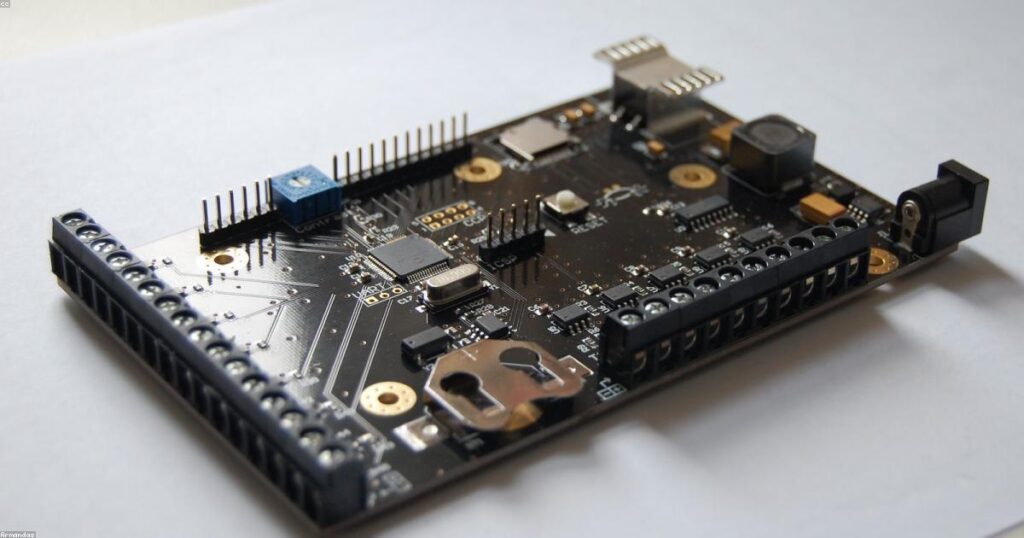
Electronics engineering is a dynamic field that blends theory with practical applications, making graduation projects a crucial part of a student's academic journey. Selecting the right project not only demonstrates technical skills but also boosts creativity and problem-solving abilities. In 2022, the landscape of electronics projects has evolved with emerging technologies such as IoT, automation, and renewable energy integration. This article presents the top 11 electronics engineering graduation projects of 2022, along with inspiring DIY electronics ideas to help students excel in their final year. Whether you are a beginner or an advanced learner, these projects offer valuable insights and hands-on experience.
Graduation projects serve as a bridge between theoretical knowledge and real-world application in electronics engineering. They provide students with the opportunity to apply concepts learned throughout their coursework to solve tangible problems. This hands-on experience is critical for understanding circuit design, programming, and system integration.
Completing a well-executed project enhances a student's resume and can significantly impact job prospects. Employers often seek candidates who have demonstrated practical skills and innovative thinking through their final projects. Moreover, these projects encourage teamwork, time management, and research skills, all essential for professional growth.
Additionally, electronics projects foster creativity and innovation by challenging students to explore emerging technologies and devise new solutions. This process not only deepens technical expertise but also prepares students for future challenges in the rapidly evolving electronics industry.
Choosing the right graduation project is a crucial step that influences the learning outcome and overall experience. Students should consider their interests, available resources, and the project’s scope to ensure it is achievable within the given timeframe. Selecting a project aligned with current industry trends can also enhance relevance and impact.
Feasibility is another critical factor; projects requiring expensive components or complex infrastructure may pose challenges. It is advisable to opt for projects that balance innovation with practicality, allowing for successful completion and demonstration.
Furthermore, projects that encourage integration of multiple disciplines, such as programming, embedded systems, and hardware design, provide a holistic learning experience. Seeking guidance from faculty advisors and reviewing past successful projects can aid in making an informed decision.
1. Smart Home Automation System: Utilizing IoT technology, this project enables remote control of household appliances via a smartphone app, enhancing convenience and energy efficiency. It involves sensors, microcontrollers, and wireless communication modules.
2. Wearable Health Monitoring Device: Designed to track vital signs like heart rate and temperature, this device provides real-time health data and alerts users to potential issues. It integrates sensors, Bluetooth modules, and mobile app interfaces.
3. Solar-Powered Battery Charger: This eco-friendly project harnesses solar energy to charge batteries, promoting renewable energy usage. It requires solar panels, charge controllers, and voltage regulation circuits.
4. Automated Irrigation System: Aimed at optimizing water usage in agriculture, this system uses soil moisture sensors and microcontrollers to control water pumps automatically based on soil conditions.
5. Gesture-Controlled Robot: This innovative project allows users to control a robot using hand gestures detected by accelerometers and processed through embedded systems, demonstrating advanced human-machine interaction.
6. Smart Traffic Light Control System: Utilizing sensors and microcontrollers, this system dynamically adjusts traffic light durations based on traffic density, reducing congestion and improving road safety.
7. Voice-Activated Wheelchair: Designed to assist differently-abled individuals, this project incorporates voice recognition modules to control wheelchair movements, enhancing mobility and independence.
8. Electronic Voting Machine: This secure and efficient voting system uses microcontrollers and keypad interfaces to record votes electronically, minimizing errors and fraud.
9. Automated Fire Alarm System: Equipped with smoke and temperature sensors, this system detects fire hazards and alerts users through alarms and notifications, improving safety measures.
10. Bluetooth-Based Home Security System: This project integrates Bluetooth modules and sensors to monitor unauthorized entry, sending alerts to homeowners via mobile devices.
11. Line Following Robot: A classic robotics project where a robot follows a predefined path using infrared sensors, demonstrating fundamental principles of control systems and automation.
For students new to electronics, starting with simple DIY projects helps build foundational skills. Projects like LED blinkers, basic alarm systems, and digital voltmeters teach essential concepts such as circuit design and component functionality.
DIY kits available online provide a structured learning path with pre-selected components and clear instructions. These kits often include microcontrollers like Arduino or Raspberry Pi, which are beginner-friendly platforms for programming and hardware interfacing.
Engaging in DIY projects encourages experimentation and troubleshooting, vital skills for any engineer. Documenting the process and results also helps in developing technical communication abilities, which are important during project presentations and evaluations.
Successful completion of electronics projects depends heavily on access to the right tools and components. Essential tools include soldering irons, multimeters, oscilloscopes, and breadboards for circuit prototyping and testing.
Common components used in projects include resistors, capacitors, transistors, microcontrollers, sensors, and communication modules. Selecting quality components ensures reliability and accuracy in project outcomes.
Additionally, software tools like simulation platforms (Proteus, Multisim) and programming environments (Arduino IDE, MPLAB) are indispensable for designing, testing, and debugging electronic circuits and embedded code.
Students often encounter challenges such as component compatibility issues, circuit errors, and debugging difficulties. These obstacles require patience, analytical thinking, and systematic troubleshooting approaches to resolve effectively.
Time management is another common challenge, especially when balancing project work with academic responsibilities. Planning the project timeline with milestones helps in maintaining steady progress and avoiding last-minute rushes.
Resource limitations, including budget constraints and availability of components, can also impact project scope. Creative problem-solving and adapting project designs to available resources are essential skills to overcome such hurdles.
A clear and concise presentation is key to effectively communicating your project's objectives, methodology, and results. Using visual aids such as diagrams, videos, and live demonstrations can enhance audience engagement and understanding.
Highlighting the practical applications and potential improvements of your project demonstrates depth of knowledge and forward-thinking. Be prepared to answer technical questions and explain design choices confidently.
Documenting your project thoroughly, including circuit diagrams, code, and testing data, supports transparency and credibility. Preparing a well-structured report and practicing the presentation multiple times can significantly boost confidence and performance.
Electronics engineering graduation projects are a vital component of academic and professional development, providing students with invaluable hands-on experience and technical insight. The top projects of 2022 reflect current technological trends and offer diverse opportunities for innovation and learning. By carefully selecting a suitable project, utilizing appropriate tools, and overcoming challenges with determination, students can create impactful solutions that showcase their skills. Whether embarking on complex designs or beginner-friendly DIY ideas, dedication and creativity remain the keys to success in electronics engineering projects.
Keep reading
Educational Resources
The Impact of Digital Twins in Oil & Gas Plant Maintenance is a topic that deserves thorough explora...
Educational Resources
Smart homes have transitioned from futuristic concepts to tangible realities that enhance everyday livin...
Educational Resources
As a small or medium-sized business owner in Nigeria, you are a master of spinning plates. You are the CEO, the head of sales,…
TAMFIS NIG LTD
Electrical and instrumentation engineering, bid preparation and consulting, IT and software.

