
Educational Resources
The Impact of Digital Twins in Oil & Gas Plant Maintenance
The Impact of Digital Twins in Oil & Gas Plant Maintenance is a topic that deserves thorough explora...
TAMFIS NIG LTDRC 8067447CAC ACTIVEFinima, Bonny Island, Rivers State

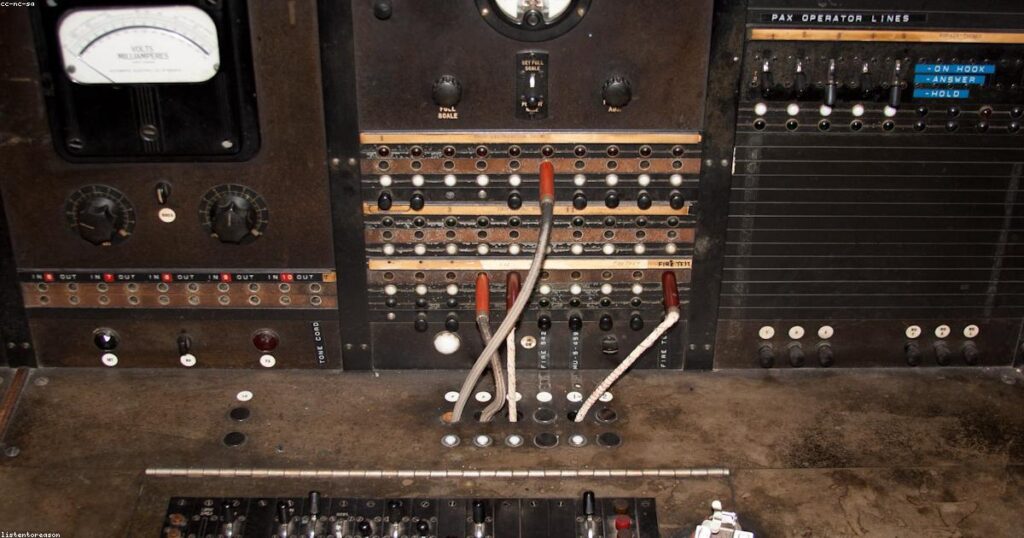
Electronics Engineering Day is a special occasion dedicated to honoring the pioneers, innovators, and professionals who have shaped the world through electronic technology. Electronics engineering, a dynamic and ever-evolving discipline, forms the backbone of modern devices and systems that drive our daily lives. From understanding basic circuit components to mastering complex design processes, this article walks you through the essential knowledge and skills needed to excel in electronics engineering. Whether you're a student, professional, or enthusiast, mastering electronics requires a blend of theoretical understanding and practical application.
At its core, electronics engineering involves the study and application of electrical circuits, devices, and systems that use electricity to perform various functions. The fundamentals include understanding voltage, current, resistance, capacitance, and inductance—basic properties that govern how circuits operate. These principles are essential for designing and analyzing any electronic device.
Key components such as resistors, capacitors, diodes, and transistors form the building blocks of electronic circuits. Learning how these components interact helps engineers create functional and efficient systems. For example, transistors can act as switches or amplifiers, enabling complex signal processing within circuits.
Another fundamental concept is circuit theory, which encompasses Ohm’s Law, Kirchhoff’s voltage and current laws, and network theorems. Mastery of these theories allows engineers to predict circuit behavior accurately, facilitating troubleshooting and optimization in both analog and digital applications.
Electronics engineering has evolved significantly since the invention of the vacuum tube and the transistor. These milestones paved the way for miniaturization and increased reliability in electronic devices. Today, integrated circuits and microprocessors dominate the landscape, enabling complex computing and communication capabilities.
The impact of electronics engineering is profound across various industries, including telecommunications, healthcare, automotive, and consumer electronics. Innovations such as smartphones, medical imaging devices, and autonomous vehicles are direct results of advances in this field.
Moreover, the rapid development of semiconductor technology has led to faster, smaller, and more energy-efficient devices. This continuous evolution challenges engineers to stay updated with emerging technologies and adapt their design methodologies accordingly.
Successful electronics engineers combine strong analytical skills with hands-on technical expertise. Proficiency in circuit design, simulation software, and programming languages like C or Python is often essential. These skills enable engineers to create, test, and refine electronic systems effectively.
Problem-solving is a critical skill, as engineers frequently encounter complex challenges requiring innovative solutions. The ability to troubleshoot hardware and software issues ensures that projects meet performance and safety standards.
Additionally, knowledge of digital signal processing, embedded systems, and communication protocols broadens an engineer’s capability to work on diverse applications. Continuous learning and certification programs often help professionals maintain their edge in this fast-paced field.
Transitioning from theoretical understanding to practical electronics design involves applying concepts to real-world projects. Building prototypes, soldering components, and using breadboards are fundamental activities that reinforce learning and skill development.
Computer-aided design (CAD) tools like Eagle, Altium Designer, or KiCad provide engineers with platforms to create detailed circuit schematics and printed circuit board (PCB) layouts. These tools improve accuracy and efficiency in the design process.
Testing and validation are crucial steps before finalizing designs. Engineers use oscilloscopes, multimeters, and logic analyzers to measure and verify circuit performance, ensuring designs meet specifications and regulatory requirements.
As electronics systems grow more complex, engineers delve into advanced topics such as microelectronics, nanotechnology, and wireless communication. These areas push the boundaries of what is possible, enabling smaller and more powerful devices.
Power electronics, which deals with the control and conversion of electrical power, is vital for renewable energy systems and electric vehicles. Understanding semiconductor devices like MOSFETs and IGBTs is essential in this specialization.
Another emerging field is the Internet of Things (IoT), where interconnected devices collect and exchange data. Electronics engineers design sensors, actuators, and communication modules that form the backbone of IoT ecosystems.
Innovation drives progress in electronics engineering, leading to breakthroughs that redefine technology standards. Research in materials science, circuit architectures, and fabrication techniques continually enhances device performance and functionality.
Collaborative efforts between academia, industry, and government agencies foster environments where cutting-edge research can flourish. This synergy accelerates the development of new technologies and their transition into commercial products.
Engineers involved in research must stay abreast of scientific literature, emerging trends, and regulatory changes. Their work often involves experimentation, simulation, and iterative design to solve complex problems and create novel solutions.
Electronics Engineering Day serves as a platform to appreciate the contributions of engineers who have transformed society through technological innovation. Events, seminars, and workshops highlight the importance of electronics in everyday life.
This day also inspires students and young professionals to pursue careers in electronics engineering. Educational institutions and industry leaders organize mentorship programs, competitions, and exhibitions to engage and motivate aspiring engineers.
Recognizing achievements in the field fosters a culture of excellence and continuous improvement. It encourages engineers to push boundaries, embrace challenges, and contribute to sustainable technological advancement.
The future of electronics engineering is shaped by trends such as artificial intelligence, quantum computing, and flexible electronics. These technologies promise to revolutionize how devices operate and interact with users.
Sustainability is becoming a focal point, with engineers designing energy-efficient circuits and environmentally friendly manufacturing processes. Innovations in biodegradable electronics and recycling techniques are gaining momentum.
Career opportunities are expanding in sectors like aerospace, healthcare, and smart infrastructure. Engineers with interdisciplinary skills and adaptability will find themselves at the forefront of technological transformation.
Mastering electronics engineering requires a deep understanding of fundamental principles, practical design skills, and a commitment to lifelong learning. Electronics Engineering Day not only honors the past achievements but also encourages ongoing innovation and education in this vital field. As technology continues to evolve, electronics engineers will play a pivotal role in shaping the future, creating smarter, more efficient, and sustainable solutions that enhance our world. Embracing both tradition and cutting-edge advancements is key to thriving in this dynamic profession.
Keep reading
Educational Resources
The Impact of Digital Twins in Oil & Gas Plant Maintenance is a topic that deserves thorough explora...
Educational Resources
Smart homes have transitioned from futuristic concepts to tangible realities that enhance everyday livin...
Educational Resources
As a small or medium-sized business owner in Nigeria, you are a master of spinning plates. You are the CEO, the head of sales,…
TAMFIS NIG LTD
Electrical and instrumentation engineering, bid preparation and consulting, IT and software.

