
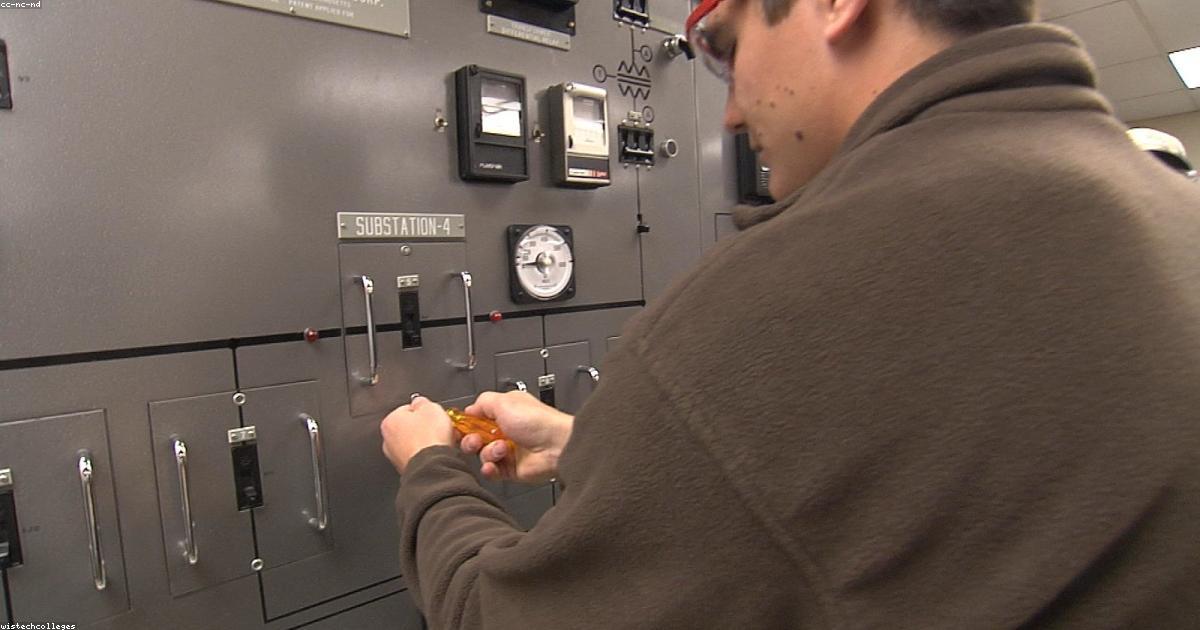
The field of electrical and electronics engineering is vast, encompassing everything from circuit design to power distribution and embedded systems. For students and professionals looking to enter or advance in this domain, videos offer a powerful medium to learn complex concepts, witness real-world applications, and understand career trajectories. This article delves into the value of electrical and electronics engineering videos, with a special focus on career videos for engineering technologists and technicians. These resources not only enhance technical knowledge but also provide clarity on job roles, industry expectations, and skill development, making them indispensable tools for career planning and professional growth.
The Importance of Electrical and Electronics Engineering Videos
Visual learning through videos has transformed how engineering concepts are taught and understood. Electrical and electronics engineering, with its intricate theories and practical applications, benefits immensely from video content. Videos can simplify abstract ideas like circuit behavior, signal processing, and electromagnetic theory by using animations and real-time demonstrations.
Moreover, videos help bridge the gap between textbook knowledge and practical skills. For technologists and technicians, hands-on experience is crucial, and videos often showcase lab experiments, troubleshooting techniques, and the use of specialized tools, making complex tasks more approachable and understandable.
In addition, videos provide accessibility and flexibility. Learners can revisit challenging topics multiple times, pause to take notes, and learn at their own pace. This flexibility is especially beneficial for working professionals who aim to upgrade their skills without disrupting their schedules.
Overview of Electrical and Electronics Engineering Technologists and Technicians
Electrical and electronic engineering technologists and technicians play essential roles in supporting engineers by implementing designs, conducting tests, and maintaining systems. Their work typically involves applying engineering principles to real-world problems, often focusing on installation, troubleshooting, and operational maintenance.
Technologists generally have more advanced education, often holding associate degrees or bachelor’s degrees in engineering technology, which equips them to engage in system design and project management tasks. Technicians, meanwhile, usually have diplomas or certificates and specialize in hands-on technical support and equipment maintenance.
Career videos targeted at these professionals highlight typical job functions, workplace environments, and career progression opportunities. They also emphasize the importance of staying current with technological advances, certifications, and continuing education to remain competitive in the evolving industry.
Educational Pathways Highlighted in Career Videos
Career-oriented videos often outline the educational requirements for technologists and technicians. Most highlight the value of formal education such as associate degrees, diplomas, and certifications from accredited technical institutes or community colleges. These programs combine classroom theory with laboratory practice.
Many videos also emphasize the role of internships and co-op programs, showcasing how hands-on experience during education can significantly enhance job readiness. Interviews with professionals often reinforce the importance of practical exposure alongside academic knowledge.
Additionally, these videos discuss continuing education options, such as specialized certifications in areas like programmable logic controllers (PLC), instrumentation, or network systems. This ongoing learning is crucial for adapting to technological advancements and expanding career opportunities.
Key Skills and Competencies Demonstrated in Videos
Videos focusing on electrical and electronics engineering careers highlight a range of technical and soft skills essential for success. Technical skills include circuit analysis, equipment calibration, system troubleshooting, and proficiency with software tools such as CAD and simulation programs.
Soft skills such as problem-solving, communication, teamwork, and attention to detail are also frequently emphasized. Career videos often feature real workplace scenarios that demonstrate how these skills contribute to effective project execution and team collaboration.
Moreover, videos sometimes include testimonials from industry experts who stress the importance of adaptability and continuous learning. The fast-paced nature of the technology sector requires professionals to quickly assimilate new information and apply it practically.
Applications and Industry Sectors Showcased in Videos
Electrical and electronics engineering technologists and technicians find opportunities across various industries, including manufacturing, telecommunications, energy, automotive, and aerospace. Career videos often showcase these sectors to illustrate the diverse roles available.
For example, videos might depict technicians working on power grid maintenance, or technologists developing embedded systems for automotive electronics. Such examples help viewers understand how their skills can be applied in different contexts and the impact of their work.
These videos also highlight emerging fields like renewable energy systems, smart grids, and IoT (Internet of Things) devices, providing insights into future career trends and encouraging learners to explore cutting-edge technologies.
Benefits of Watching Career Videos for Engineering Technologists and Technicians
Career videos offer a realistic preview of job responsibilities, workplace environments, and daily challenges faced by electrical and electronic engineering technologists and technicians. This insight helps viewers make informed career decisions and align their expectations accordingly.
They also provide motivational content by featuring success stories and career progression paths, which can inspire students and professionals to pursue advanced certifications or leadership roles.
Additionally, these videos often include advice on resume building, interview preparation, and networking strategies, equipping viewers with practical tools to succeed in their job search and professional development.
How to Find High-Quality Electrical and Electronics Engineering Videos
Finding reliable and informative videos requires focusing on trusted sources such as educational institutions, professional organizations, and industry leaders. Platforms like YouTube channels of accredited universities or engineering societies often provide high-quality content tailored to technologists and technicians.
Many videos are part of structured playlists or series that cover foundational concepts, advanced topics, and career guidance comprehensively. Checking video reviews, viewer engagement, and credentials of presenters can help assess content quality.
Furthermore, some platforms offer interactive video courses with quizzes and certificates, enhancing the learning experience. Subscribing to newsletters or joining forums related to electrical and electronics engineering can also help discover valuable video resources.
Integrating Video Learning into Your Career Development Plan
Incorporating electrical and electronics engineering videos into a career development plan can accelerate skill acquisition and boost confidence. Setting specific learning goals, such as mastering a particular technology or preparing for certification exams, helps maintain focus and measure progress.
Combining videos with hands-on practice, such as lab work or simulation projects, reinforces learning and builds practical competence. Engaging with online communities or study groups can also enhance understanding through discussion and knowledge sharing.
Regularly updating your learning materials by following new video content ensures you stay abreast of technological advancements and industry trends. This proactive approach positions you for continuous career growth and adaptability in a competitive job market.
Conclusion
Electrical and electronics engineering videos are invaluable resources for aspiring and current technologists and technicians. They offer a rich blend of theoretical knowledge, practical demonstrations, and career insights that textbooks alone cannot provide. By leveraging these videos, learners can gain a clearer understanding of their career paths, develop essential skills, and remain competitive in a rapidly evolving industry. Whether you are exploring educational options, seeking inspiration, or aiming to enhance your technical prowess, engaging with quality video content is a strategic step toward professional success.