
Choosing a degree in electrical engineering often comes with preconceived notions about the field’s difficulty, scope, and career outcomes. Like many, I entered this path with a set of assumptions that, over time, proved inaccurate. Electrical engineering is much more than just circuits and wires; it’s a vast discipline that integrates creativity, problem-solving, and innovation. This article reflects on my journey, debunking myths, highlighting the realities, and offering insights for prospective students and professionals alike.
Common Misconceptions About Electrical Engineering
Electrical engineering is often perceived as an overwhelmingly difficult field, dominated by complex mathematics and abstract theories. While it is true that the discipline requires a solid foundation in math and physics, the learning curve is manageable with the right mindset and resources. Many students enter the program expecting an immediate mastery of concepts, but the reality is that persistence and practice are key to success.
Another common misconception is that electrical engineering is a narrow field focused solely on designing circuit boards or wiring systems. In truth, the domain encompasses a broad spectrum of specialties including power systems, telecommunications, control systems, and embedded computing. This diversity offers students numerous pathways to tailor their careers according to their interests.
Lastly, some believe that electrical engineering degrees guarantee high-paying jobs right after graduation. While the field does offer lucrative opportunities, success depends on continual learning, internships, and practical experience. The job market demands not only technical knowledge but also soft skills such as teamwork, communication, and adaptability.
The Academic Journey: What to Expect in an Electrical Engineering Degree
The coursework in an electrical engineering program is rigorous and comprehensive, covering fundamental sciences, mathematics, and specialized engineering topics. Early semesters focus on calculus, physics, and basic circuit theory, laying the groundwork for advanced subjects like signal processing, electromagnetics, and control systems.
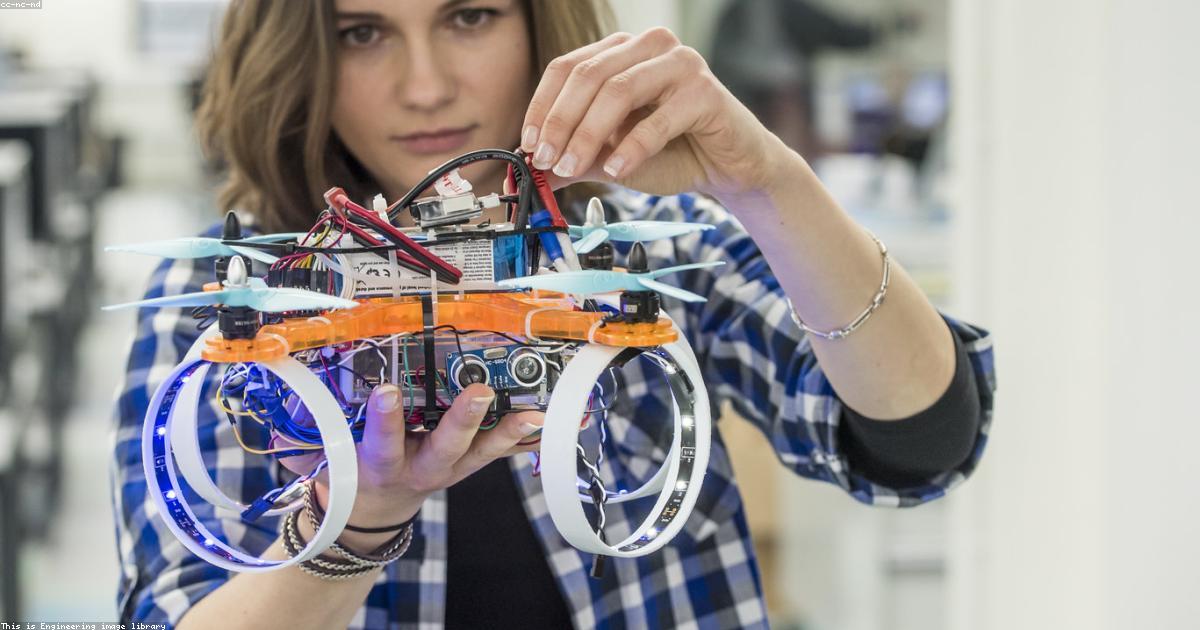
Laboratory work and hands-on projects are integral components of the curriculum, allowing students to apply theoretical knowledge in practical settings. These experiences foster critical thinking and problem-solving skills, essential for tackling real-world engineering challenges.
Students often face challenges balancing the demanding coursework with extracurricular activities and internships. Effective time management and seeking help from professors or peers can greatly enhance the learning experience and reduce stress.
Skills Developed Through an Electrical Engineering Degree
Beyond technical expertise, an electrical engineering degree cultivates analytical thinking and quantitative reasoning. Students learn to approach problems methodically, break them down into manageable parts, and develop solutions using scientific principles.
Programming skills are increasingly important, with courses often including languages such as C, Python, or MATLAB. These skills enable engineers to design embedded systems, automate tasks, and simulate complex systems, broadening their professional toolkit.
Communication and teamwork are also emphasized through group projects and presentations. Engineers must collaborate with multidisciplinary teams and convey complex ideas clearly to stakeholders without technical backgrounds, making interpersonal skills crucial.
Career Opportunities and Industry Demand
Electrical engineering graduates have access to a wide range of industries including energy, telecommunications, aerospace, automotive, and technology. This versatility stems from the field’s foundational role in modern infrastructure and innovation.
Emerging technologies such as renewable energy, electric vehicles, and the Internet of Things (IoT) have expanded job prospects, creating demand for engineers who can develop sustainable and intelligent systems.
Entry-level positions often involve design, testing, or maintenance roles, with opportunities for advancement into research, project management, or specialized engineering disciplines. Continuous professional development is essential to stay current with evolving technologies.
The Reality of Electrical Engineering Work Environment
Electrical engineers work in diverse environments including laboratories, manufacturing plants, corporate offices, and field sites. The nature of the work can vary from desk-based design and simulation to hands-on installation and troubleshooting.
Collaboration is a significant part of the job, often requiring coordination with other engineers, technicians, and clients. This dynamic fosters a stimulating workplace but also requires adaptability and strong interpersonal skills.
Work-life balance can be challenging during critical project phases or deadlines, but many companies offer flexible schedules or remote work options. Developing time management skills is essential for maintaining productivity and personal well-being.
Challenges Faced by Electrical Engineering Students and Professionals
One of the main challenges is the steep learning curve, especially in mastering abstract concepts and advanced mathematics. Students may feel overwhelmed initially but can overcome this through consistent study and seeking support resources.
Keeping pace with rapid technological advancements requires a commitment to lifelong learning. Professionals must engage with continuing education, certifications, and industry trends to remain competitive and effective.
Impostor syndrome and self-doubt are common in this demanding field. Building confidence through small victories, mentorship, and peer support can help individuals thrive despite these psychological hurdles.
Reflecting on My Misconceptions and Lessons Learned
Initially, I underestimated the breadth and depth of electrical engineering, assuming it was a narrowly focused and purely technical field. Over time, I realized it integrates creativity, innovation, and interdisciplinary collaboration, which made the journey more engaging than I expected.
I also believed that success was solely dependent on academic performance. However, practical experience through internships and projects proved equally valuable in developing real-world skills and building a professional network.
Finally, I learned that the challenges I faced were common and surmountable. Embracing a growth mindset and seeking help when needed transformed my perspective and enhanced my educational experience.
Advice for Prospective Electrical Engineering Students
Before committing to an electrical engineering degree, prospective students should research the field thoroughly, including course content, career paths, and industry demands. Talking to current students, professors, and professionals can provide valuable insights.
Developing a strong foundation in mathematics and physics before starting the program can ease the academic transition. Additionally, cultivating problem-solving skills and curiosity will enhance learning and enjoyment.
Engaging in internships, clubs, or research projects during the degree can provide practical experience and professional connections. Balancing academics with extracurricular activities also helps build a well-rounded skill set.
Conclusion
My journey through an electrical engineering degree taught me that many of my initial assumptions were misplaced. The field is not just about circuits and equations but about innovation, collaboration, and continuous growth. By understanding the true nature of electrical engineering, students can better prepare for the challenges and opportunities ahead. Whether you are considering this degree or are already on the path, embracing a proactive and open-minded approach will help you thrive in this exciting and impactful profession.