Educational Resources
Essential Certifications for Electrical Engineers in Nigeria: Boost Your Career
Essential Certifications for Electrical Engineers in Nigeria: Boost Your Career is a topic that deserves...
TAMFIS NIG LTDRC 8067447CAC ACTIVEFinima, Bonny Island, Rivers State


Electrical engineering is a dynamic and multifaceted field that plays a crucial role in modern technology and infrastructure. Electrical engineers design, develop, test, and supervise the manufacturing of electrical equipment, from small circuit boards to large power generation systems. Understanding the daily routine of an electrical engineer offers valuable insight into the profession’s demands and rewards. This article dives deep into a typical day in the life of an electrical engineer, outlining the tasks, environments, and challenges they face, while highlighting the skills and collaboration required to succeed.
A typical day for an electrical engineer often begins with a review of ongoing projects and priorities. Early mornings are usually dedicated to organizing tasks, reading emails, and preparing for meetings. This initial planning phase is critical to managing time effectively, especially when juggling multiple projects with tight deadlines.
Many electrical engineers start their day by analyzing technical documents and specifications to ensure a clear understanding of project requirements. This preparation helps them anticipate potential challenges and identify resources needed for the day’s tasks. Scheduling time for design work, testing, or site visits is also a key part of the morning routine.
For those working in teams, morning stand-up meetings or briefings are common. These sessions provide an opportunity to discuss progress, share updates, and align on goals. Communication is essential to coordinate efforts, especially in collaborative environments where engineers, technicians, and project managers must work in sync.
One of the core responsibilities of an electrical engineer is designing electrical systems and components. This involves using specialized software tools such as CAD (Computer-Aided Design) or simulation programs to create circuit diagrams, layouts, and schematics. This phase requires precision and creativity to ensure that designs meet technical specifications and safety standards.
During the design process, engineers consider factors such as power efficiency, signal integrity, and electromagnetic compatibility. They may iterate multiple versions of a design to optimize performance and cost-effectiveness. Collaboration with other disciplines, such as mechanical or software engineers, is often necessary to integrate electrical components seamlessly into larger systems.
Development work also includes prototyping and testing. Electrical engineers build and evaluate prototypes to verify that designs function as intended. This hands-on work can involve troubleshooting circuits, measuring electrical parameters, and making adjustments to improve reliability and durability.
Electrical engineers frequently participate in meetings to coordinate with team members, clients, and stakeholders. These meetings can range from technical discussions to project status updates and strategic planning sessions. Effective communication skills are vital to convey complex technical information clearly and to understand the needs and concerns of others.
Collaboration extends beyond the engineering team. Electrical engineers often work alongside manufacturing, procurement, and quality assurance departments to ensure smooth project execution. Regular check-ins help identify risks early and address any bottlenecks that might delay progress.
In many organizations, engineers also engage with external vendors and contractors. These interactions may involve negotiating specifications, reviewing supplier capabilities, or overseeing installation and commissioning activities. Building strong professional relationships is key to successful project delivery.
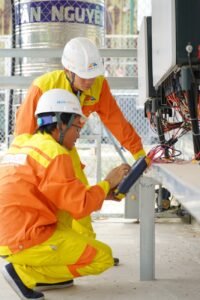
Depending on their specialization, some electrical engineers spend part of their day conducting fieldwork or site visits. This hands-on work is crucial for inspecting installations, troubleshooting issues, and ensuring compliance with design and safety standards. Site visits provide valuable real-world context that complements office-based design activities.
During site inspections, engineers assess electrical systems such as power distribution networks, control panels, or communication infrastructure. They may use diagnostic tools to measure voltage, current, and resistance, identifying faults or inefficiencies. These visits often require coordination with construction teams and adherence to safety protocols.
Fieldwork can also involve supervising the installation and commissioning of new equipment. Electrical engineers verify that systems are installed correctly, perform functional tests, and provide technical support to resolve problems. This phase marks the transition from design to operational use, underscoring the engineer’s role in ensuring project success.
Problem-solving is a daily aspect of an electrical engineer’s work. When unexpected issues arise, engineers must quickly analyze the root causes and develop effective solutions. This process requires a deep understanding of electrical principles, attention to detail, and the ability to think critically under pressure.
Troubleshooting can involve reviewing system logs, conducting simulations, or performing physical inspections to isolate faults. Engineers use diagnostic software and measurement instruments to gather data and verify hypotheses. Successful resolution often demands creativity and persistence, especially when dealing with complex or novel problems.
In addition to reactive troubleshooting, electrical engineers proactively identify potential risks and design safeguards to prevent failures. This forward-thinking approach helps improve system reliability and safety, ultimately reducing downtime and maintenance costs.
The field of electrical engineering is constantly evolving with advances in technology and industry standards. Engineers dedicate part of their day to continuous learning, staying updated on the latest tools, materials, and methodologies. This commitment ensures they remain competitive and capable of delivering innovative solutions.
Professional development activities may include attending webinars, reading technical journals, or participating in training courses. Many organizations encourage certification programs and support attendance at conferences and workshops. Such opportunities foster knowledge sharing and networking within the engineering community.
Mentoring junior engineers and collaborating on research projects are other ways experienced engineers enhance their skills. These activities not only contribute to personal growth but also help cultivate the next generation of engineering talent.
As the workday concludes, electrical engineers typically review their accomplishments and update project documentation. Accurate record-keeping is essential for tracking progress, communicating with stakeholders, and maintaining compliance with regulatory requirements.
Engineers prepare reports, update design files, and log test results to ensure that all information is current and accessible. This documentation supports decision-making and serves as a reference for future maintenance or upgrades.
Reflecting on the day’s challenges and successes helps engineers plan for upcoming tasks and improve their workflow. Time management and organization are crucial to balancing technical work with administrative responsibilities.
A day in the life of an electrical engineer is a blend of technical challenges, collaborative efforts, and ongoing learning. From early morning planning to late-day documentation, electrical engineers engage in a variety of tasks that demand precision, creativity, and effective communication. Their work not only drives innovation but also ensures the safety and reliability of critical electrical systems. Understanding this daily routine highlights the complexity and significance of the profession, offering inspiration to those considering a career in electrical engineering.
Keep reading
Educational Resources
Essential Certifications for Electrical Engineers in Nigeria: Boost Your Career is a topic that deserves...
Educational Resources
Smart homes have transitioned from futuristic concepts to tangible realities that enhance everyday livin...
Educational Resources
In today's rapidly evolving wor...
TAMFIS NIG LTD
Electrical and instrumentation engineering, bid preparation and consulting, IT and software.