
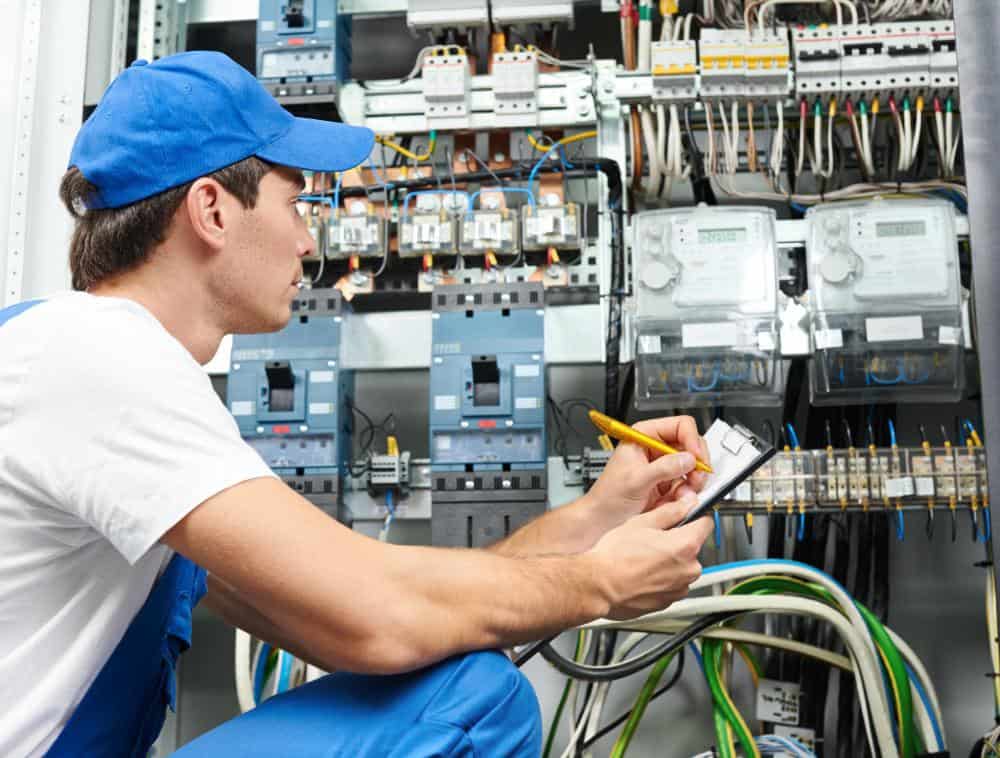
Electrical engineering is a versatile and ever-evolving discipline that plays a crucial role in modern technology and industrial advancement. From power generation to electronics and automation, electrical engineers design, develop, and maintain systems that power our daily lives. Central to this field are electrical machines—devices that convert electrical energy into mechanical energy or vice versa. Understanding these machines is vital for any aspiring electrical engineer. This article delves into the career opportunities in electrical engineering and provides an in-depth overview of the ultimate electrical machines every professional should know.
Overview of Electrical Engineering as a Career
Electrical engineering is a broad field encompassing the study and application of electricity, electronics, and electromagnetism. Professionals in this domain work on designing electrical circuits, developing power generation systems, and innovating communication technologies. The career offers diverse opportunities in sectors such as power utilities, telecommunications, manufacturing, and automation.
The demand for electrical engineers continues to grow with the increasing reliance on renewable energy, smart grids, and electronic devices. This career path requires a strong foundation in mathematics, physics, and circuit theory, alongside practical skills in programming and system design. Engineers often collaborate with multidisciplinary teams to create innovative solutions for real-world challenges.
Career advancement in electrical engineering can lead to specialized roles such as control systems engineer, power systems engineer, or electronics design engineer. With experience, professionals may also transition into project management, research and development, or academia, highlighting the versatility and growth potential within the field.
Fundamentals of Electrical Machines
Electrical machines are devices that convert energy between electrical and mechanical forms. They are integral to power generation, transmission, and various industrial applications. The two primary categories of electrical machines are motors, which convert electrical energy to mechanical energy, and generators, which do the reverse.
Understanding the operating principles of electrical machines involves concepts such as electromagnetic induction, torque generation, and magnetic fields. These principles allow engineers to design efficient machines tailored to specific functions, whether for driving industrial equipment or producing electricity on a large scale.
Electrical machines vary in design and application, including AC machines, DC machines, synchronous and asynchronous types. Each has unique characteristics, advantages, and limitations that influence their selection for particular engineering projects or career specializations.
DC Machines: Basics and Applications
Direct Current (DC) machines are among the earliest types of electrical machines, widely used for their simplicity and ease of speed control. They include DC motors, which provide precise speed regulation, and DC generators, used in battery charging and small-scale power generation.
DC motors are favored in applications where variable speed and torque control are essential, such as electric vehicles, cranes, and elevators. Their construction typically involves a commutator and brushes, which facilitate current flow and magnetic field interaction within the machine.
Despite the rise of AC machines, DC machines remain relevant in specific industrial contexts. Their straightforward control mechanisms and reliability make them suitable for legacy systems and specialized equipment, highlighting their enduring importance in electrical engineering.
AC Machines: Induction and Synchronous Machines
Alternating Current (AC) machines dominate modern electrical engineering due to their robustness and efficiency. Induction motors, a type of AC motor, are extensively used in industrial applications because of their simple design, low cost, and durability. They operate on the principle of electromagnetic induction to produce torque.
Synchronous machines, including synchronous motors and generators, operate at a constant speed synchronized with the power supply frequency. These machines are crucial in power plants for electricity generation and in applications requiring precise speed control and power factor correction.
The versatility of AC machines allows electrical engineers to design systems for a wide range of uses, from household appliances to large industrial machinery. Mastery of AC machine theory and applications is essential for professionals aiming to excel in power systems and automation.
Transformers: The Backbone of Electrical Power Systems
Transformers are static electrical machines that transfer electrical energy between circuits through electromagnetic induction. They are indispensable in power distribution systems, enabling voltage levels to be increased or decreased efficiently to meet transmission and consumption requirements.
The design of transformers focuses on minimizing losses and maximizing efficiency, involving core materials, winding configurations, and insulation. Engineers must understand these aspects to optimize transformer performance in various applications, from small electronic devices to high-voltage power grids.
In an electrical engineering career, knowledge of transformers is critical for roles in power generation, transmission, and distribution. Engineers often work on transformer design, maintenance, and troubleshooting to ensure reliable and safe electrical infrastructure.
Emerging Electrical Machines and Technologies
Advancements in materials science and electronics have led to the development of new types of electrical machines, such as brushless DC motors, switched reluctance motors, and permanent magnet synchronous motors. These machines offer improved efficiency, reduced maintenance, and enhanced performance.
Brushless DC motors eliminate the need for brushes and commutators, reducing wear and increasing lifespan. They are widely used in electric vehicles, aerospace, and robotics. Switched reluctance motors provide robust operation under harsh conditions, making them suitable for industrial drives.
Electrical engineers must stay abreast of these technological developments to remain competitive. Understanding emerging machines enables professionals to innovate and implement solutions that meet evolving industry demands, particularly in energy efficiency and automation.
Skills and Education for a Successful Electrical Engineering Career
A successful career in electrical engineering requires a solid educational foundation, typically a bachelor's degree in electrical engineering or a related field. Coursework includes circuit analysis, electromagnetics, control systems, and machine design, supplemented by hands-on laboratory experience.
In addition to technical knowledge, skills such as problem-solving, critical thinking, and proficiency in software tools like MATLAB and CAD are essential. Communication and teamwork abilities are also important, as engineers often collaborate with multidisciplinary teams on complex projects.
Continuous learning through certifications, workshops, and advanced degrees helps electrical engineers stay updated with industry trends and technological advancements. Specializing in areas like power systems, automation, or renewable energy can further enhance career prospects.
Future Outlook and Opportunities in Electrical Engineering
The future of electrical engineering is promising, driven by global trends such as renewable energy integration, smart grid development, and the proliferation of electric vehicles. These trends create a growing demand for engineers skilled in electrical machines and power electronics.
Emerging fields like Internet of Things (IoT), artificial intelligence, and robotics also offer new career pathways for electrical engineers. Expertise in electrical machines combined with knowledge of these technologies enables professionals to contribute to innovative solutions and smart infrastructure.
Electrical engineers who adapt to technological changes and continuously upgrade their skills will find abundant opportunities across industries. The expanding scope of electrical engineering ensures that professionals can pursue rewarding careers that impact society and drive technological progress.
Conclusion
Embarking on a career in electrical engineering offers a rewarding journey filled with challenges and innovations. Mastery of electrical machines, from traditional DC and AC machines to cutting-edge technologies, forms the cornerstone of this profession. As industries evolve towards smarter and greener solutions, electrical engineers equipped with comprehensive knowledge and adaptable skills will be at the forefront of technological advancement. By understanding the fundamentals and staying current with emerging trends, aspiring and seasoned engineers alike can contribute significantly to shaping a sustainable and electrified future.