
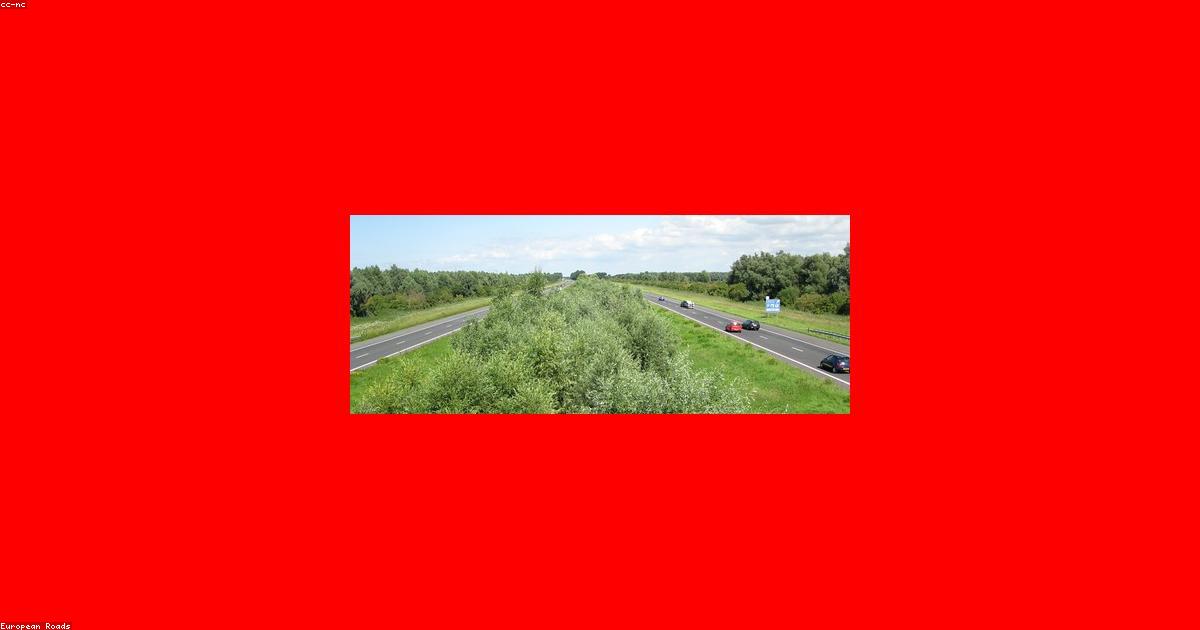
Median lanes, also known as medians or traffic separators, play a pivotal role in civil engineering and highway design. Serving as physical or painted dividers between opposing traffic flows, medians enhance road safety, manage traffic efficiently, and contribute to the overall geometric design of roads. This comprehensive article delves into the concept of median lanes, their types, functions, and the geometric principles guiding their design. Understanding these elements is essential for engineers, planners, and policymakers aiming to develop safer, more efficient roadways and highways.
Understanding Median Lanes in Civil Engineering
In civil engineering, a median lane refers to the strip or divider separating two directions of traffic on a roadway or highway. It functions as a physical barrier or buffer zone that prevents direct vehicle crossover, thereby reducing head-on collisions and improving traffic flow. Medians can be either raised or depressed and may incorporate various materials such as concrete, asphalt, or vegetation.
The median lane is a fundamental component in the classification of roadways and significantly influences the road’s capacity and safety. By physically separating opposing traffic lanes, medians help to control turning movements and provide refuge areas for pedestrians. Their design and implementation vary depending on the type of road, traffic volume, and environmental considerations.
From a civil engineering perspective, the median lane also integrates with other road elements such as shoulders, lanes, and sidewalks. Its design must consider factors like sight distance, vehicle speed, and roadway geometry to optimize safety and operational efficiency.
Role of Traffic Separators in Road Safety
Traffic separators, including median lanes, are crucial safety features designed to manage and control the flow of vehicles. They reduce the likelihood of accidents by physically preventing vehicles from crossing into oncoming traffic lanes. This separation is especially vital on high-speed highways where the consequences of head-on collisions are severe.
Besides preventing collisions, traffic separators also help in organizing traffic movements. For example, they guide turning vehicles, channelize pedestrian crossings, and facilitate emergency vehicle passage. Properly designed separators can reduce driver confusion and improve overall roadway discipline.
In addition to physical barriers, painted traffic separators such as double yellow lines or rumble strips serve similar purposes in lower-speed or urban environments. These visual cues alert drivers to lane boundaries and discourage unsafe maneuvers, complementing physical medians where space or budget constraints exist.
Types of Medians in Highway Design
Medians in highway design are broadly classified into three types: raised medians, depressed medians, and flush medians. Raised medians are elevated above the roadway surface and often include barriers or landscaping. They provide a robust physical separation that effectively prevents vehicle crossover but require more space and maintenance.
Depressed medians are lower than the adjacent traffic lanes and often serve as drainage channels as well as traffic separators. They are suitable for areas where space is limited and can incorporate landscaping to improve aesthetic appeal. However, their effectiveness in preventing cross-median crashes is less than that of raised medians.
Flush medians are at the same level as the traffic lanes and are usually marked by painted lines. They may include rumble strips or curbs to discourage crossing but offer minimal physical protection. Flush medians are common in urban or low-speed environments where space constraints limit the use of raised or depressed medians.
Geometric Design Principles of Road Medians
The geometric design of road medians must balance safety, functionality, and environmental considerations. Key factors include the median width, shape, and alignment, all of which influence driver behavior and roadway capacity. Adequate median width is essential to provide sufficient separation between opposing lanes and allow for vehicle recovery in case of driver error.
Curved roads require special median design considerations to maintain sight distance and prevent vehicle encroachment. The median should be designed to accommodate the road’s horizontal and vertical alignment, ensuring smooth traffic flow and minimizing accident risks. Transition zones where medians begin or end also require careful geometric detailing to avoid driver confusion.
Landscaping within medians must not obstruct driver visibility or interfere with maintenance activities. Incorporating low-height vegetation or decorative elements can enhance the visual environment without compromising safety. Additionally, medians often include provisions for drainage to prevent water accumulation and pavement deterioration.
Highway Median Design and Its Impact on Traffic Flow
Highway medians significantly impact traffic flow by regulating vehicle movements and providing space for turning lanes and emergency stops. A well-designed median allows for safe left-turn pockets and U-turn provisions, reducing traffic conflicts and congestion. Medians also facilitate the separation of high-speed through traffic from slower turning vehicles, improving overall efficiency.
The width and type of median influence the capacity of a highway. Wider medians with barriers can accommodate future road widening, utility installations, or transit lanes. Conversely, narrow medians may limit these options and can contribute to congestion during peak hours due to restricted turning movements.
Incorporating medians into highway design also supports non-motorized traffic by offering pedestrian refuge areas. This is particularly important in urban or suburban areas where pedestrian crossings intersect with high-speed traffic. Properly designed medians enhance safety and comfort for all road users.
Materials and Construction Considerations for Medians
The choice of materials for median construction depends on factors such as budget, maintenance requirements, and environmental conditions. Common materials include concrete barriers, asphalt surfaces, and vegetated strips. Concrete barriers, such as Jersey barriers, provide strong physical separation and are often used on high-speed highways.
Vegetated medians offer environmental benefits, including stormwater management and urban heat reduction. However, they require regular maintenance such as watering, mowing, and pest control. In contrast, paved medians demand less maintenance but may contribute to increased surface runoff and heat reflection.
Construction considerations include ensuring proper drainage, soil stability, and integration with adjacent roadway elements. Medians must be designed to withstand impacts and environmental stresses while maintaining functionality. Sustainable construction practices are increasingly incorporated to minimize environmental impact and extend the lifespan of median installations.
Challenges and Innovations in Median Design
Designing medians presents challenges such as space limitations in urban areas, balancing safety with aesthetics, and accommodating multimodal transportation needs. Urban environments often require narrower medians or innovative separators like flexible posts or painted buffers to maximize available space.
Innovations in median design include the use of smart barriers equipped with sensors to detect impacts or traffic flow changes. These technologies enhance safety by alerting authorities to incidents in real time. Additionally, advances in sustainable landscaping promote the use of native plants that require less water and maintenance.
The integration of medians with intelligent transportation systems (ITS) enables dynamic traffic management, such as adaptive lighting and variable message signs. These innovations contribute to safer and more efficient roadways, reflecting the evolving role of medians in modern civil engineering.
Future Trends in Median and Traffic Separator Design
Future trends in median design emphasize sustainability, safety, and adaptability. Green infrastructure is increasingly incorporated into medians to manage stormwater, improve air quality, and enhance urban biodiversity. This approach aligns with broader goals of creating resilient and environmentally friendly transportation networks.
Advances in materials science are leading to the development of impact-absorbing barriers and recycled construction materials for medians. These innovations improve safety while reducing environmental footprints. Additionally, modular median components facilitate easier installation and maintenance, reducing traffic disruptions.
The rise of autonomous and connected vehicles will influence median design by enabling more precise traffic separation and dynamic lane management. Medians may incorporate technology to communicate with vehicles, enhancing traffic flow and safety. These trends underscore the importance of adaptable median designs responsive to evolving transportation technologies.
Conclusion
Median lanes and traffic separators are foundational elements in civil engineering that significantly influence the safety, efficiency, and aesthetics of roadways. Through careful geometric design, material selection, and incorporation of modern innovations, medians serve not only as physical dividers but also as dynamic components of transportation infrastructure. As traffic demands grow and technologies evolve, the design and function of medians will continue to adapt, promoting safer and more sustainable road networks. A thorough understanding of median lanes is indispensable for engineers and planners committed to advancing the quality and performance of highways worldwide.