
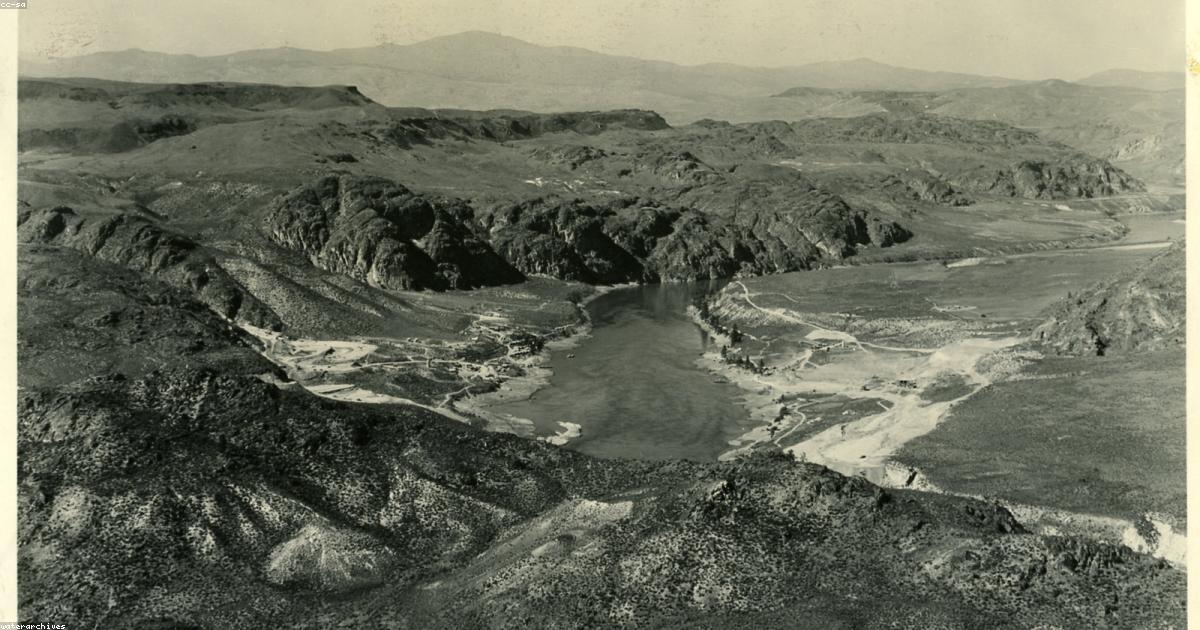
Hydroelectric dams stand as monumental achievements in civil engineering, harnessing the power of flowing water to generate sustainable energy. Over the decades, these structures have evolved from modest installations to massive mega dams that dominate landscapes and energy grids worldwide. This article examines the civil engineering aspects of hydroelectric dam projects, charting their evolution from big to bigger, and ultimately the biggest. We will explore design innovations, construction challenges, environmental considerations, and the future of hydroelectric power in a rapidly changing world.
The Foundations of Civil Engineering in Hydroelectric Dam Projects
Civil engineering principles are fundamental to the successful design and construction of hydroelectric dams. These projects require meticulous planning, including geological surveys, hydrological assessments, and structural analysis to ensure stability and safety. Engineers must consider factors such as the dam’s height, width, and foundation materials to withstand immense water pressure and natural forces.
Material selection plays a critical role in the longevity and resilience of hydroelectric dams. Concrete, earth, rockfill, and steel are commonly used, each offering unique benefits depending on site conditions and design requirements. Innovations in materials science have allowed engineers to optimize strength while reducing costs, contributing to the feasibility of constructing mega dams.
Moreover, civil engineers integrate advanced modeling and simulation techniques during the planning phase. These tools help predict how the dam will perform under various scenarios, including seismic activity and extreme weather events, ensuring that the structure can endure unforeseen stresses throughout its operational lifespan.
Evolution from Big to Bigger: Historical Milestones in Hydroelectric Dams
The history of hydroelectric dams is marked by a continuous push towards larger and more efficient structures. Early 20th-century projects, such as the Hoover Dam in the United States, set new standards for scale and engineering ingenuity. These dams not only generated power but also provided flood control and water storage, showcasing multifunctional benefits.
In the latter half of the century, countries around the world embarked on ambitious mega dam projects. The Itaipu Dam on the Brazil-Paraguay border, completed in the 1980s, exemplified this trend by becoming one of the largest hydroelectric power producers globally. Such projects required international collaboration and advanced civil engineering techniques to manage complex environmental and logistical challenges.
More recently, the Three Gorges Dam in China has become emblematic of the 'biggest' category. Its immense scale and capacity have redefined what is possible in hydroelectric engineering, incorporating cutting-edge technology and massive infrastructure to meet soaring energy demands while addressing environmental and social concerns.
Design Innovations Driving Modern Mega Dams
Modern hydroelectric dam design incorporates innovations aimed at enhancing efficiency and sustainability. Engineers now use computer-aided design (CAD) and building information modeling (BIM) to create detailed plans that optimize structural integrity and resource use. These technologies allow for precise simulations that reduce risks and improve construction outcomes.
Another key innovation is the integration of adjustable spillways and turbines that can adapt to fluctuating water levels, maximizing power generation while minimizing environmental impact. This flexibility is crucial for managing water flow during seasonal changes and extreme weather events, ensuring consistent energy output.
Sustainability considerations have also led to the development of fish-friendly turbines and improved sediment management techniques. These advancements help preserve aquatic ecosystems and extend the operational lifespan of reservoirs by mitigating sediment buildup, which can impair dam functionality over time.
Construction Challenges in Mega Hydroelectric Dam Projects
Building mega dams involves overcoming significant construction challenges, including site accessibility, material transportation, and workforce management. Many projects are located in remote or rugged terrain, requiring the establishment of infrastructure such as roads, bridges, and worker accommodations before construction can begin.
Environmental and social factors also complicate construction. Engineers must navigate regulations related to ecosystem preservation, water rights, and the displacement of local communities. Effective stakeholder engagement and mitigation strategies are essential to address these issues responsibly.
Additionally, managing the immense volume of materials and ensuring quality control throughout the construction phase demand rigorous project management. Delays or errors can lead to cost overruns and safety risks, so civil engineers employ advanced monitoring systems and quality assurance protocols to maintain standards.
Environmental Impact and Mitigation Strategies
Hydroelectric dams, especially mega dams, profoundly impact local ecosystems. Reservoir creation can submerge vast areas, affecting flora, fauna, and human settlements. Changes in water flow disrupt fish migration, sediment transport, and riverine habitats, necessitating careful environmental assessments prior to construction.
To mitigate these impacts, engineers design fish ladders and bypass systems that allow aquatic species to navigate around dams. Sediment flushing mechanisms help maintain downstream nutrient flow, preserving river health. Reforestation and habitat restoration projects further support biodiversity in affected areas.
Environmental monitoring continues throughout a dam’s operational life to detect and address emerging issues. Adaptive management approaches enable operators to adjust water releases and maintenance practices, balancing power generation goals with ecosystem preservation.
Economic and Social Implications of Mega Dams
Mega hydroelectric dams generate substantial economic benefits by providing reliable, low-cost electricity that supports industrial growth and improves quality of life. They also create jobs during construction and operation, stimulating local economies. Additionally, dams contribute to water supply and flood control, enhancing regional resilience.
However, these projects often require resettlement of communities, leading to social disruption and cultural loss. Ensuring fair compensation and providing new livelihoods for displaced populations is critical to maintaining social equity and project acceptance.
Long-term economic sustainability depends on balancing energy production with environmental stewardship and community well-being. Transparent planning processes and inclusive decision-making help align project goals with societal needs.
Future Trends in Hydroelectric Mega Dam Development
The future of hydroelectric mega dams is shaped by innovations in technology, environmental policy, and energy demand. Emerging trends include the use of modular turbines, which simplify installation and maintenance, and the incorporation of smart grid technologies to optimize electricity distribution.
Climate change presents both challenges and opportunities. Altered precipitation patterns require adaptive reservoir management, while increased demand for clean energy positions hydroelectric power as a key component of sustainable energy portfolios.
Moreover, hybrid projects combining hydroelectric power with solar or wind energy are gaining traction. These integrated systems enhance grid stability and maximize renewable energy utilization, reflecting a holistic approach to future energy infrastructure.
Case Studies: Big, Bigger, and the Biggest Hydroelectric Dams
The Hoover Dam, completed in 1936, symbolizes the 'big' era of hydroelectric projects. Its arch-gravity design and construction techniques were groundbreaking at the time, providing a blueprint for future dams. It continues to supply power and water management benefits to millions.
The Itaipu Dam represents the 'bigger' category, with its colossal capacity and binational collaboration between Brazil and Paraguay. Its design addressed complex geological and hydrological challenges, showcasing advancements in civil engineering and international cooperation.
The Three Gorges Dam stands as the 'biggest' hydroelectric project to date. Beyond its sheer size, it features state-of-the-art engineering, including massive ship locks and advanced flood control systems. Despite controversies, it remains a landmark in the evolution of hydroelectric power.
Conclusion
Hydroelectric mega dams represent some of the most ambitious and impactful civil engineering projects in human history. From the foundational principles that ensure their structural integrity to the sophisticated technologies that drive their operation, these dams have transformed the landscape of renewable energy. While challenges related to environmental impact and social responsibility persist, ongoing innovations and adaptive management strategies promise a balanced future. As the demand for clean energy grows, the evolution from big to bigger to biggest hydroelectric dams will continue to play a pivotal role in powering societies sustainably and responsibly.