civil engineering course cap | Pile Foundation Construction | Pile | Pile Cap | Virtual Experience on the Construction Process
In modern civil engineering, the foundation is a critical component that ensures the stability and longevity of any structure. Among various foundation types, pile foundations are widely used to support heavy loads, especially in challenging soil conditions. This article delves into the essentials of pile foundation construction, focusing on the pile cap and its significance. Additionally, it highlights how virtual experiences are transforming the way students and professionals understand and engage with the construction process. Whether you are a student enrolled in a civil engineering course cap or a practitioner seeking detailed insights, this comprehensive guide covers all aspects of pile foundation construction and the integration of digital learning tools.
Understanding Pile Foundations in Civil Engineering
Pile foundations are deep foundation systems used to transfer structural loads to deeper, more stable soil layers or rock formations. They are especially useful when surface soils lack sufficient bearing capacity or are prone to excessive settlement. By driving or drilling piles deep into the ground, engineers create a stable base that can support heavy buildings, bridges, and other infrastructure.
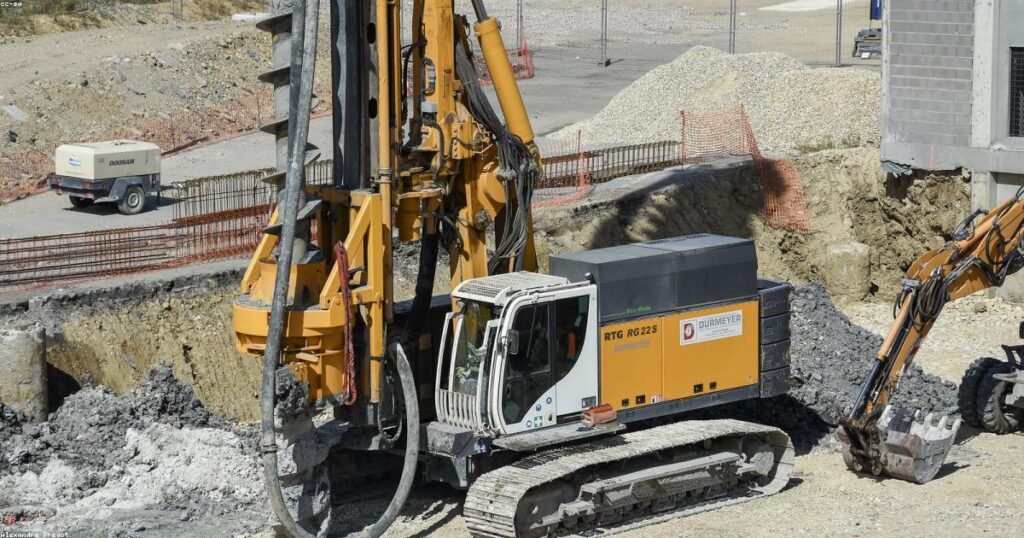
There are different types of piles including driven piles, bored piles, screw piles, and micropiles. Each type serves specific geotechnical and structural requirements. Driven piles are typically precast concrete or steel sections hammered into the ground, while bored piles involve drilling a hole and filling it with concrete. The choice depends on soil conditions, load requirements, and environmental factors.
The design and installation of pile foundations require careful geotechnical investigation and structural analysis. Engineers must assess soil strata, groundwater conditions, and load distribution to ensure the foundation's safety and durability. Pile foundations are critical in areas prone to seismic activity, floods, or soft soil conditions, providing enhanced resistance and stability.
Role and Importance of the Pile Cap
A pile cap is a thick concrete slab that rests on top of a group of piles, distributing the structural load evenly among them. It acts as a connector, uniting individual piles into a single foundation unit. This structural element is essential to transferring the load from the superstructure to the piles effectively and preventing differential settlement.
The design of a pile cap depends on factors such as the number of piles, pile spacing, load magnitude, and structural requirements. It must be sufficiently thick and reinforced to withstand bending moments, shear forces, and punching shear stresses. Proper reinforcement detailing within the pile cap ensures the integrity of the foundation system.
In addition to load distribution, pile caps help maintain the alignment of piles and protect their heads from corrosion and mechanical damage. Their construction must be precise, following strict quality standards to avoid voids or weaknesses that could compromise the foundation’s performance.
Construction Process of Pile Foundations
The construction of pile foundations begins with a thorough site investigation and soil testing to determine the appropriate pile type and depth. Following this, the layout of piles is marked according to the structural design. Pile installation methods vary, including driving, boring, or screwing, depending on pile type and ground conditions.
Once piles are installed, they are tested for load-bearing capacity through static or dynamic load tests to ensure compliance with design specifications. After successful testing, the pile cap is constructed by first preparing reinforcement cages, placing them accurately, and then pouring concrete to form the cap.
Curing of the pile cap is crucial to achieve the desired strength and durability. During construction, continuous monitoring and quality control are necessary to avoid defects and ensure alignment with engineering drawings. The entire process requires coordination among geotechnical engineers, structural engineers, and construction teams.
Types of Piles and Their Applications
Driven piles, made of precast concrete, steel, or timber, are hammered into the ground and are ideal for soils with medium to high bearing capacity. They are commonly used in projects requiring rapid installation and high load transfer, such as bridges and industrial buildings.
Bored piles are constructed by drilling a hole into the soil and filling it with concrete, often reinforced with steel cages. They are suited for sites with restricted access or where noise and vibration must be minimized, such as urban construction zones.
Micropiles and screw piles are specialized types used in challenging conditions like steep slopes or weak soils. Micropiles are small-diameter, high-capacity piles installed with minimal disturbance, while screw piles are screwed into the ground, providing quick installation and immediate load-bearing capacity.
Virtual Experience in Civil Engineering Education
The advent of virtual reality (VR) and augmented reality (AR) technologies has revolutionized civil engineering education, offering immersive experiences of complex construction processes. Virtual simulations allow students to visualize pile foundation construction in a controlled, interactive environment, enhancing comprehension and retention.
Through virtual experience platforms, learners can explore 3D models of piles, pile caps, and construction sites, observe step-by-step procedures, and understand potential challenges without the risks or costs associated with field visits. This approach bridges the gap between theoretical knowledge and practical application.
Furthermore, virtual experiences facilitate remote learning and collaboration among students and professionals worldwide. They provide opportunities for repeated practice, real-time feedback, and customized scenarios that adapt to different learning needs, ultimately improving skill development and project outcomes.
Benefits of Integrating Virtual Experiences with Traditional Learning
Combining virtual experiences with conventional classroom instruction enriches the learning process by providing a multi-sensory approach. Students gain hands-on insights into equipment operation, safety protocols, and construction sequencing, which are difficult to convey through textbooks alone.
Virtual labs and simulations can replicate rare or hazardous scenarios, preparing students for real-world challenges without exposure to danger. This experiential learning enhances problem-solving abilities and decision-making skills, critical for successful engineering practice.
Additionally, virtual experience tools promote engagement and motivation among learners. Interactive elements, gamification, and instant assessment encourage active participation, making complex subjects like pile foundation construction more accessible and enjoyable.
Challenges and Considerations in Pile Foundation Construction
Despite their advantages, pile foundations present construction challenges such as noise pollution, vibrations, and potential damage to adjacent structures during pile driving. Proper planning and mitigation measures are essential to minimize these impacts, especially in urban environments.
Soil variability and unexpected subsurface conditions can affect pile performance, requiring adaptive design and construction techniques. Continuous monitoring and testing during construction help identify issues early and implement corrective actions.
Quality control is paramount in pile and pile cap construction. Poor workmanship, inadequate reinforcement, or improper curing can lead to structural failures. Therefore, adherence to engineering standards, use of skilled labor, and thorough inspections are critical to ensuring foundation integrity.
Future Trends in Pile Foundation Construction and Education
Advancements in material science, such as high-performance concrete and corrosion-resistant reinforcement, are improving the durability and efficiency of pile foundations. Innovations in installation equipment are also enhancing precision and reducing environmental impact.
Digital technologies like Building Information Modeling (BIM), drones, and AI-driven analytics are increasingly integrated into foundation design and construction, enabling better planning, risk management, and quality assurance.
In education, the continued evolution of virtual and augmented reality, combined with artificial intelligence, promises more personalized and immersive learning experiences. These tools will empower future engineers with deeper understanding and practical skills necessary for complex foundation projects.
Conclusion
Pile foundation construction is a cornerstone of civil engineering, providing robust support for structures in diverse soil conditions. Understanding the role of piles and pile caps, along with the construction process, is vital for engineers to design safe and durable foundations. The integration of virtual experiences into civil engineering education offers transformative benefits, bridging theory and practice while preparing professionals for real-world challenges. As technology advances, both construction techniques and educational methods will continue to evolve, fostering innovation and excellence in the field. Embracing these developments will ensure the successful delivery of complex infrastructure projects and the effective training of future engineers.
Explore how precast cement concrete blocks are transforming masonry construction with their strength, uniformity, and versatility. Learn about production processes, construction techniques, and key…