
Education
Addressing the Teacher Retention Crisis: Urgent Measures Proposed Amid Rising Burnout
A new survey of over 900 teachers and school leaders reveals nearly 50% plan to leave within five years. With burnout at crisis levels,…
TAMFIS NIG LTDRC 8067447CAC ACTIVEFinima, Bonny Island, Rivers State

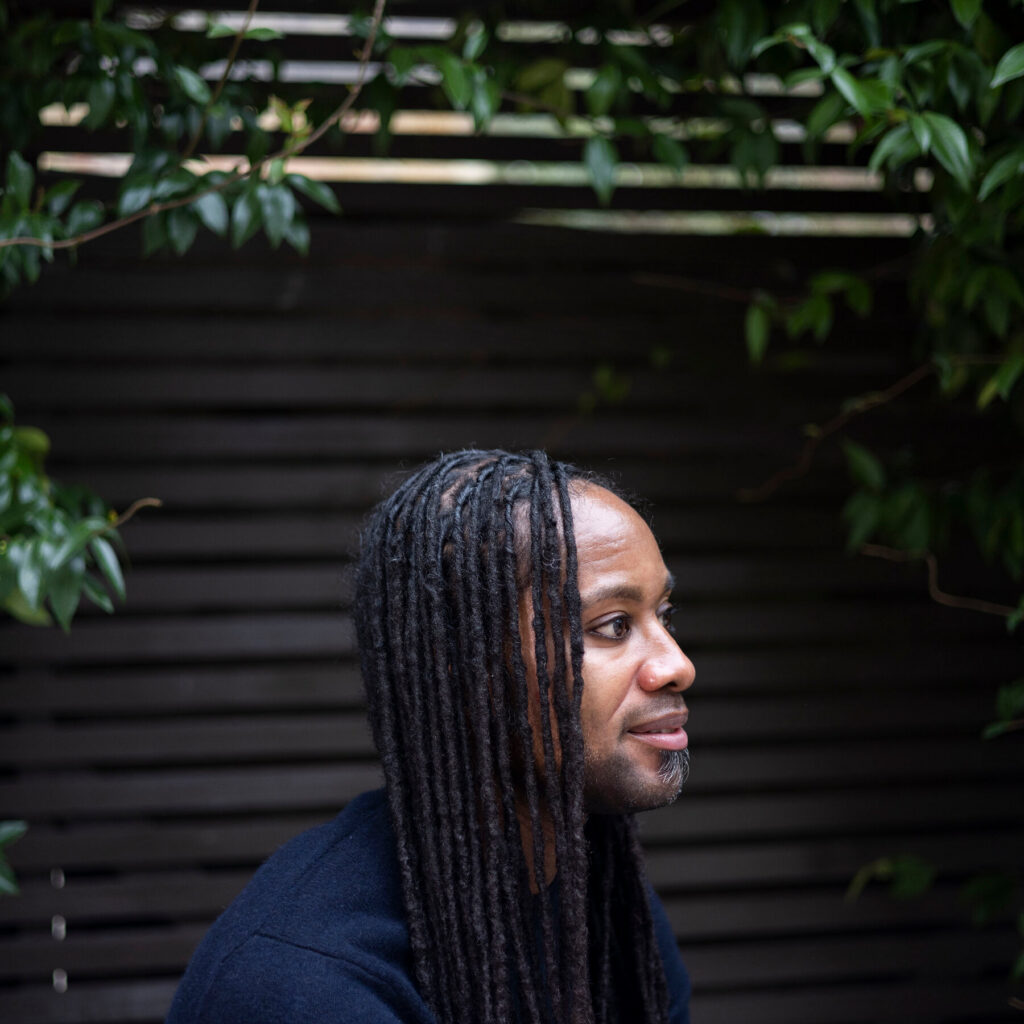
In 2023, Jason Arday made history as the youngest Black professor appointed at the University of Cambridge, a milestone that marked a significant moment in British academia. His appointment was widely celebrated as a breakthrough for diversity and representation in one of the world’s most prestigious universities. However, his tenure was abruptly overshadowed when Cambridge initiated an investigation into the authenticity of his academic qualifications. This inquiry not only led to his resignation but also sparked broader discussions about race, institutional scrutiny, and the pressures faced by Black academics in elite educational settings. Arday’s memoir offers a candid and reflective account of these experiences, providing valuable insights into the complexities of navigating academic success amid systemic challenges. This article delves into the key takeaways from his memoir, providing an authoritative overview for readers seeking to understand the broader implications of his story within higher education.
Jason Arday’s appointment as the youngest Black professor at Cambridge was a landmark achievement, symbolizing progress in diversifying the traditionally exclusive realm of British academia. His rise was celebrated as a beacon of hope for greater inclusion and representation of Black scholars in elite institutions, where such representation has historically been minimal.
This milestone was not only a personal triumph for Arday but also an institutional statement by Cambridge University, reflecting ongoing efforts to address long-standing disparities in academic representation. His presence challenged entrenched norms and inspired important conversations about race, opportunity, and equity within higher education. It highlighted the critical need for universities to actively foster environments where scholars from diverse backgrounds can thrive and be recognized for their contributions.
Arday’s appointment resonated beyond Cambridge, signaling to other institutions the importance of promoting diversity at senior academic levels. It underscored the potential for change within the highest echelons of academia, encouraging aspiring Black scholars to envision themselves in roles traditionally inaccessible to them.
Despite the initial acclaim surrounding his appointment, Arday’s career at Cambridge was soon clouded by an investigation into his academic qualifications. The university’s decision to scrutinize his credentials raised questions about the processes used to verify academic achievements and the pressures that academics, particularly those from marginalized backgrounds, face when under institutional examination.
Arday’s resignation amid the investigation underscored the intense personal and professional toll such inquiries can exert. His memoir reveals the emotional strain and reputational challenges that accompany public scrutiny, especially for Black scholars who often bear the additional burden of representing their communities. The controversy also sparked debate about whether the investigation was conducted with appropriate sensitivity to the context of his achievements and the systemic barriers he had overcome.
The investigation brought to light the complexities of institutional accountability and the potential for disproportionate scrutiny of minority academics. It raised concerns about whether such processes might inadvertently perpetuate systemic biases, creating additional hurdles for those already navigating challenging academic landscapes.
A central theme in Arday’s memoir is the intersection of race and academic recognition. He reflects on the unique obstacles Black academics encounter, including heightened scrutiny and the disproportionate expectations placed upon them. His narrative illustrates how systemic biases can influence perceptions of legitimacy and achievement, complicating the experiences of scholars who break racial barriers.
Arday’s story invites a critical examination of how academic institutions validate credentials and the implicit biases that may affect these processes. His reflections emphasize that the challenges he faced were not merely personal but emblematic of broader structural issues within academia, where race often shapes whose achievements are questioned and whose are celebrated.
Through candid discussion, Arday highlights the emotional and professional toll of navigating an environment where racial identity can influence the reception of one’s work and qualifications. His memoir challenges readers to consider how deeply ingrained biases affect the academic landscape and calls for more equitable recognition practices.
Arday’s experience serves as a case study for the challenges facing universities striving to balance diversity with rigorous standards. It raises important questions about transparency, fairness, and the support mechanisms available to faculty members, particularly those from underrepresented groups.
His memoir encourages academic institutions to reflect on their policies and the potential unintended consequences of investigations on marginalized scholars. It advocates for more nuanced approaches that consider the broader context of an individual’s contributions and challenges, rather than relying solely on procedural formalities. This approach is vital to fostering an inclusive academic culture that values both excellence and equity.
The case also underscores the need for universities to implement robust support systems that can help scholars navigate institutional scrutiny without compromising their dignity or career progression. Such measures are essential to ensuring that efforts to uphold academic integrity do not inadvertently reinforce systemic inequities.
Beyond the controversy, Arday’s memoir is a testament to resilience. His journey illustrates the importance of perseverance in the face of adversity and the power of using personal narratives to advocate for systemic change. Through his reflections, Arday demonstrates how confronting institutional challenges can become a catalyst for broader conversations about race, representation, and reform in academia.
His insights offer valuable lessons for emerging scholars and institutions alike, emphasizing the need for supportive environments that foster both academic excellence and inclusivity. Arday’s story encourages a culture of advocacy where marginalized voices are heard and respected, contributing to the ongoing transformation of higher education.
By sharing his experiences openly, Arday contributes to a growing movement aimed at dismantling barriers within academia and promoting a more just and equitable environment for future generations of scholars.
Jason Arday’s memoir offers a nuanced perspective on the triumphs and trials of breaking racial barriers in academia. His story is not only about personal achievement but also about the systemic challenges that persist in elite institutions. As universities continue to pursue diversity and inclusion, Arday’s experience serves as a critical reminder of the need for fair, transparent, and supportive frameworks that recognize the full humanity and contributions of all scholars. His journey encourages ongoing dialogue and reform, aiming for an academic landscape where excellence and equity coexist harmoniously, ensuring that future scholars can thrive without the added burdens of bias and scrutiny.
Originally reported by nytimes.com. Adapted for our readers with AI assistance.
Keep reading
Education
A new survey of over 900 teachers and school leaders reveals nearly 50% plan to leave within five years. With burnout at crisis levels,…
Education
The 2026 A-level, BTEC, and T-level results day marked a significant milestone for hundreds of thousands...
Education
The resignation of Jason Arday, a prominent sociologist and Cambridge's youngest-ever black profess...
TAMFIS NIG LTD
Electrical and instrumentation engineering, bid preparation and consulting, IT and software.