
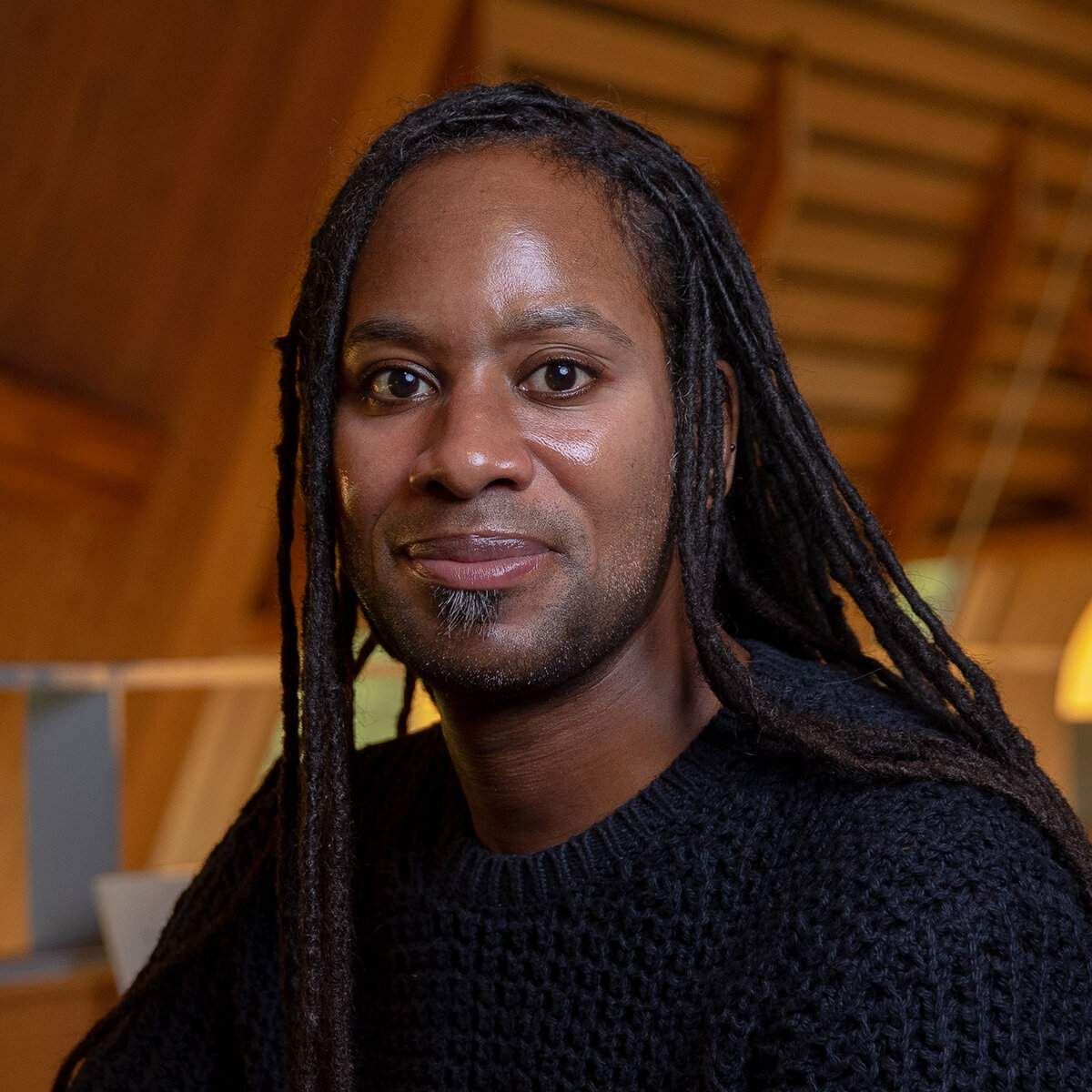
Jason Arday, a professor at Cambridge University, has recently found himself at the center of a storm involving plagiarism allegations. These accusations have emerged alongside reports of serious personal challenges, including threats to his safety and remarkable physical achievements. This article explores the details of the plagiarism claims, Arday’s responses, and the wider context that shapes this complex and multifaceted situation.
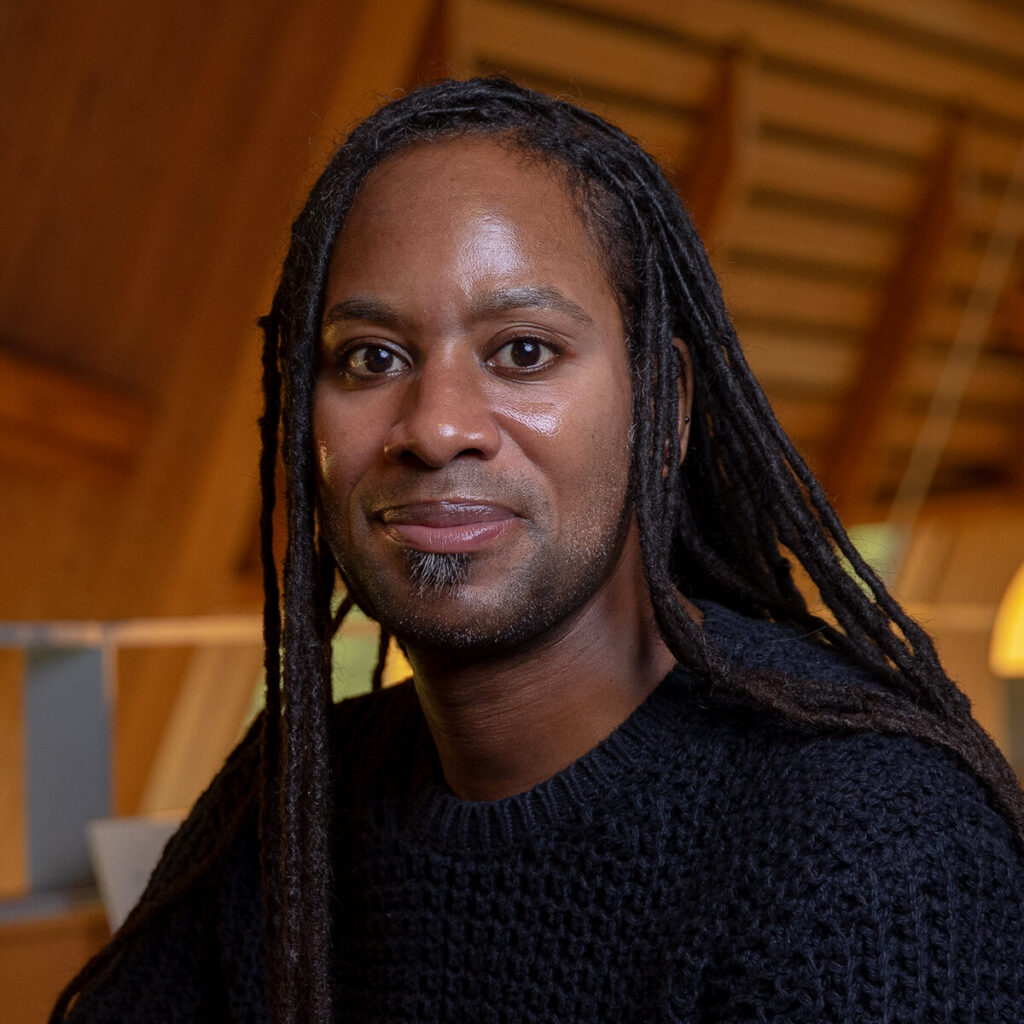
Background: Jason Arday’s Academic and Personal Profile
Jason Arday is a respected academic affiliated with Cambridge University, known for his significant contributions to social sciences and education. His scholarly work frequently addresses critical issues such as race, inequality, and social justice, positioning him as a prominent voice in contemporary academic discourse.
Beyond his academic pursuits, Arday has demonstrated extraordinary personal resilience and determination. Notably, he completed the remarkable feat of running 30 marathons in 35 days, a challenge that garnered public admiration and showcased his commitment to endurance, discipline, and mental strength.
Despite these achievements, Arday’s public profile has recently been overshadowed by serious allegations of plagiarism. These claims have ignited debate within academic circles and the wider public, raising important questions about professional conduct, the pressures faced by high-profile academics, and the broader implications for scholarly integrity.
Details of the Plagiarism Allegations
The plagiarism accusations against Jason Arday surfaced shortly before the scheduled launch of his new book, intensifying scrutiny around his scholarly work. Critics have pointed to similarities between sections of his manuscript and previously published material, suggesting that proper attribution may have been insufficient or missing in some instances.
While the exact passages alleged to be plagiarized have not been fully disclosed publicly, the timing of these claims has amplified the controversy, casting a shadow over the book’s release and Arday’s reputation. In academic contexts, plagiarism is considered a serious ethical breach that can severely damage an individual’s credibility and career prospects.
Arday has publicly denied these allegations, asserting that his work is original and that any similarities are either coincidental or fall within accepted academic practices such as appropriate citation and paraphrasing. He emphasizes the rigorous research underpinning his scholarship and reiterates his strong commitment to maintaining academic integrity.
Personal Challenges and Public Perception
Complicating the plagiarism controversy are disturbing reports of threats and intimidation directed at Arday and his family. Among these incidents are a masked individual wielding a knife and the placement of a pig’s head outside his parents’ home, actions that have raised serious concerns about his safety and the intensity of the backlash he faces.
These personal attacks have elicited sympathy from some quarters, highlighting the often harsh and hostile environment public figures can encounter when embroiled in controversy. Such intimidation tactics underscore the emotional and psychological toll that public scrutiny can exact, especially when it crosses into threatening behavior.
At the same time, skepticism remains among some observers who question the veracity of Arday’s account or his handling of the plagiarism claims. This skepticism reflects the broader challenge of disentangling fact from perception in high-profile disputes, where personal adversity and professional controversy intersect.
The convergence of these elements creates a complex narrative that resists straightforward judgments, illustrating how public perception can be influenced by both documented facts and emotive circumstances. This complexity demands careful consideration from both the academic community and the public.
Academic Integrity and the Stakes of Plagiarism Allegations
Plagiarism is a critical issue in academia because it undermines the trustworthiness and value of scholarly work. Universities and academic publishers enforce stringent policies designed to detect and address such misconduct promptly and fairly, ensuring that academic standards are upheld.
In cases involving prominent academics like Arday, the stakes are particularly high. The outcomes of investigations can affect not only the individual’s career but also the reputation of their institution and the public’s confidence in academic research as a whole.
The allegations against Arday serve as a potent reminder of the importance of transparency, rigorous peer review, and adherence to ethical standards in scholarly publishing. These principles are essential to maintaining the integrity of academic discourse and ensuring that knowledge production remains credible and respected.
The Broader Context: Pressure on Academics and Public Scrutiny
Academics today often operate under intense pressure to publish frequently, secure research funding, and maintain a public profile that can influence policy and societal debates. This high-pressure environment can sometimes contribute to ethical lapses or perceptions of misconduct, whether intentional or inadvertent.
Public figures in academia, especially those with prominent profiles like Arday, face heightened scrutiny. Social media platforms and news outlets can rapidly amplify controversies, sometimes blurring the lines between legitimate critique and personal attacks.
This dynamic complicates the pursuit of truth and fairness, as reputations can be shaped by incomplete information or emotional responses rather than objective evidence.
Jason Arday’s case exemplifies these challenges, illustrating how personal resilience and professional integrity are tested within the modern academic landscape. It also highlights the need for balanced discourse that respects both the demands of ethical scholarship and the realities of public engagement.
What this means
The controversy surrounding Jason Arday underscores the complex interplay between personal adversity and professional accountability in academia. While the plagiarism allegations demand careful investigation and adherence to ethical standards, the personal threats he has faced reveal the darker side of public scrutiny. This case serves as a poignant example of the multifaceted challenges confronting modern scholars. It calls for balanced, fair assessments that consider both evidence and context, ensuring that justice and integrity prevail in academic discourse.
Source: Cambridge Professor’s Jason Arday’s Work Challenged Ahead of Book Launch via www.nytimes.com.
This article was curated with AI assistance and reviewed according to Tamfis editorial settings.