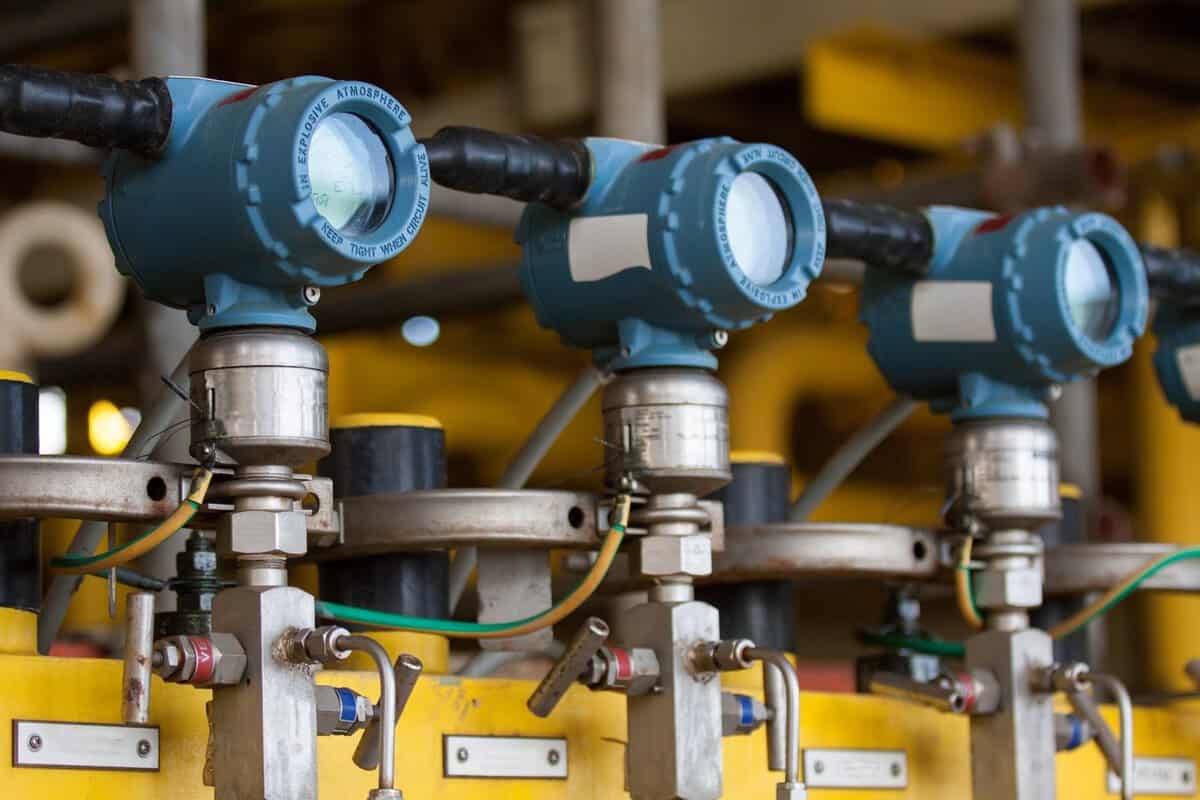
water pressure control equipment
Educational Resources, Instrumentation

MODULE 4: Flow Measurement (Liquids, Gas, Steam)

Introduction Flow measurement is a foundational aspect of process control and instrumentation in industrial systems. Accurate flow data is essential for balancing inputs and outputs, ensuring efficiency, maintaining safety, and optimising production. Whether you're transferring hydrocarbons in oil and gas, monitoring feedwater in a power station, or controlling chemical dosing in a manufacturing plant, understanding flow measurement technologies is indispensable. This module provides a comprehensive overview of key flow measurement techniques, including their operating principles, selection criteria, installation practices, and use cases across manufacturing, power, energy, oil & gas, and nuclear sectors. Section 1: Principles of Flow Measurement There are several principles and methods for measuring the flow of liquids, gases, and steam. Each method operates based on specific physical phenomena and is suited to different applications. 1.1 Differential Pressure (DP) Flow Measurement DP flow meters infer flow rate from the...
Continue reading
Thermometer png sticker, transparent background
Educational Resources, Instrumentation

Module 3: Temperature Measurement (Contact & Non-Contact)

Introduction Temperature measurement is a critical aspect of process control in industrial operations, influencing safety, product quality, energy efficiency, and process reliability. Whether monitoring turbine inlet temperatures in power plants, controlling furnace conditions in oil and gas refining, or measuring reactor core heat in nuclear plants, selecting the appropriate temperature measurement method is vital. This training module on "Temperature Measurement" provides an in-depth understanding of both contact and non-contact techniques used across various industries. Section 1: Fundamentals of Temperature Measurement Temperature is the measure of the thermal state of a substance, indicating its energy content. Accurate temperature measurement enables optimal process conditions and helps in preventing overheating or undercooling scenarios. Two Primary Methods of Temperature Measurement: Contact Methods: Instruments are in direct contact with the process medium. Examples include RTDs and Thermocouples. Non-Contact Methods: Instruments detect emitted infrared radiation from the...
Continue reading
Educational Resources, Instrumentation

Module 2: Pressure Measurement (All Media & Environments)

Objective: This module provides a thorough understanding of pressure measurement principles, sensor technologies, and the best practices for installation and maintenance required for ensuring safety, quality, and efficiency in industrial processes. 1. Core Principles of Pressure Sensing Pressure is one of the most critical process variables. Understanding how we convert a physical force into an electronic signal is fundamental. 1.1. Strain Gauge Principle How It Works: This is the most common technology. It relies on the principle of piezoresistance. A fine wire grid (the strain gauge) is bonded to a diaphragm. When process pressure flexes the diaphragm, the wires are stretched, which increases their electrical resistance. This change in resistance is precisely measured and converted into a pressure reading. Best For: General purpose applications. They are robust, reliable, and offer a great price-to-performance ratio. Visual Aid: An animation would show a...
Continue reading
a person holding white and gray digital device
Educational Resources, Instrumentation

Module 1: Instrumentation Fundamentals & Calibration

Universal Foundation for Safety, Quality & Compliance 1. SI Units: The Language of Measurement Core Concept: Standardised units ensure consistency across industries.Key Units: Pressure: Pascal (Pa), bar, psi Temperature: Kelvin (K), Celsius (°C), Fahrenheit (°F) Flow: m³/s, L/min, GPM Level: Meters (m), % of span Industry Application: Nuclear: Precise Kelvin for reactor cooling. Oil & Gas: PSI/bar for pipeline pressure. Power: °C/°F for turbine exhaust monitoring. Table: SI Unit Conversions ParameterSI UnitIndustrial EquivalentPressure1 Pa0.00001 barTemperature0 K-273.15°CFlow1 m³/s15,850 GPM Visual: Animation: Global map showing SI units used in target industries (e.g., PSI in US pipelines, bar in EU refineries). 2. Accuracy, Precision & Errors Definitions: Accuracy: Closeness to the true value. Precision: Repeatability of measurements. Error: Deviation from true value (e.g., ±0.5% FS). Industry Impact: Safety: Inaccurate pressure readings ⇒ overpressure explosions. Quality: Imprecise temperature control ⇒ product defects. Diagram: Accuracy vs. PrecisionCaption: High accuracy + low precision = Consistent errors. High precision + low accuracy = Repeatable but wrong. Visual: GIF: Dartboard analogy (accurate = bullseye, precise = tight cluster). 3. Range, Span...
Continue reading