
Educational Resources, Instrumentation

Module 2: Pressure Measurement (All Media & Environments)

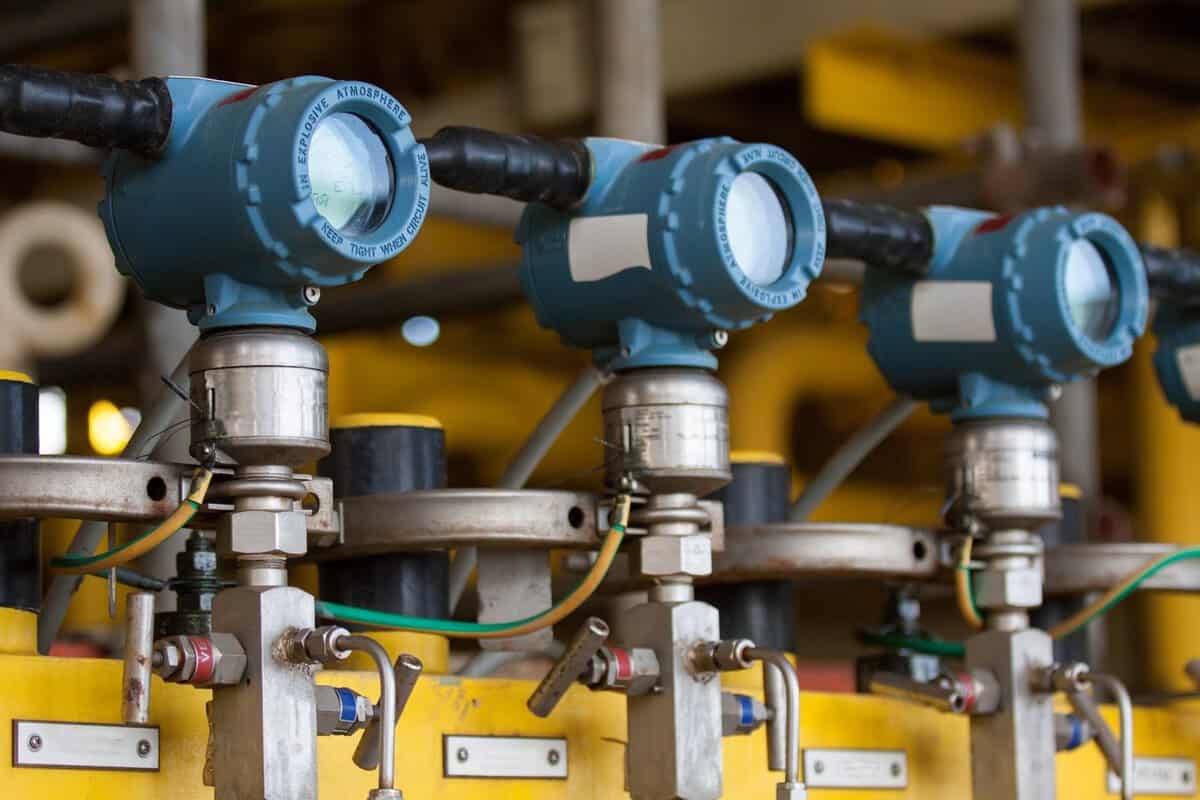
Objective: This module provides a thorough understanding of pressure measurement principles, sensor technologies, and the best practices for installation and maintenance required for ensuring safety, quality, and efficiency in industrial processes. 1. Core Principles of Pressure Sensing Pressure is one of the most critical process variables. Understanding how we convert a physical force into an electronic signal is fundamental. 1.1. Strain Gauge Principle How It Works: This is the most common technology. It relies on the principle of piezoresistance. A fine wire grid (the strain gauge) is bonded to a diaphragm. When process pressure flexes the diaphragm, the wires are stretched, which increases their electrical resistance. This change in resistance is precisely measured and converted into a pressure reading. Best For: General purpose applications. They are robust, reliable, and offer a great price-to-performance ratio. Visual Aid: An animation would show a...

Continue reading
a person holding white and gray digital device
Educational Resources, Instrumentation

Module 1: Instrumentation Fundamentals & Calibration

Universal Foundation for Safety, Quality & Compliance 1. SI Units: The Language of Measurement Core Concept: Standardised units ensure consistency across industries.Key Units: Pressure: Pascal (Pa), bar, psi Temperature: Kelvin (K), Celsius (°C), Fahrenheit (°F) Flow: m³/s, L/min, GPM Level: Meters (m), % of span Industry Application: Nuclear: Precise Kelvin for reactor cooling. Oil & Gas: PSI/bar for pipeline pressure. Power: °C/°F for turbine exhaust monitoring. Table: SI Unit Conversions ParameterSI UnitIndustrial EquivalentPressure1 Pa0.00001 barTemperature0 K-273.15°CFlow1 m³/s15,850 GPM Visual: Animation: Global map showing SI units used in target industries (e.g., PSI in US pipelines, bar in EU refineries). 2. Accuracy, Precision & Errors Definitions: Accuracy: Closeness to the true value. Precision: Repeatability of measurements. Error: Deviation from true value (e.g., ±0.5% FS). Industry Impact: Safety: Inaccurate pressure readings ⇒ overpressure explosions. Quality: Imprecise temperature control ⇒ product defects. Diagram: Accuracy vs. PrecisionCaption: High accuracy + low precision = Consistent errors. High precision + low accuracy = Repeatable but wrong. Visual: GIF: Dartboard analogy (accurate = bullseye, precise = tight cluster). 3. Range, Span...
Continue reading
Sample Return Robot Challenge (201306070001HQ)
Educational Resources, Electronics, Information Technology, Instrumentation

Beginner’s Guide to Robotics Programming

Ever watched a sci-fi film and marvelled at the intelligent machines, or seen videos of Boston Dynamics’ robots navigating tricky terrain with astonishing agility? Perhaps you’ve even seen a robotic arm at work in a factory or have a robot vacuum cleaner diligently tidying your home. The world of robotics is captivating, blending engineering and creativity to bring machines to life. For many, however, the idea of programming these robots feels like a complex art reserved for PhDs in ivory towers. Well, I’m here to tell you that’s simply not the case. Learning to program robots is more accessible today than ever before. Whether you are a student in Lagos, a hobbyist in Manchester, or simply a curious mind anywhere in the world, the tools and communities are at your fingertips. This guide is your first step...
Continue reading
a woman with a virtual reality headset
Educational Resources, Information Technology, Instrumentation

The Role of Digital Twins in Predictive Maintenance

For those involved in the nuts and bolts of industry, whether that's the bustling oil refineries down in the Niger Delta or the humming manufacturing plants scattered across Lagos and Kano, the name of the game is often uptime. Unplanned downtime, as any seasoned engineer will tell you, is a costly beast, leading to lost production, wasted resources, and a fair amount of furrowed brows. Traditional maintenance strategies, from reactive fixes to scheduled overhauls, have served us well enough, but in this increasingly interconnected and data-rich world, a more intelligent approach is not just desirable, it's becoming essential. Enter the digital twin, a technology that's rapidly evolving from a futuristic concept to a practical cornerstone of modern predictive maintenance. Think of a digital twin as a living, breathing virtual replica of a physical asset, process, or...
Continue reading