Zhu Rongji: Architect of China’s Market Economy and Global Integration
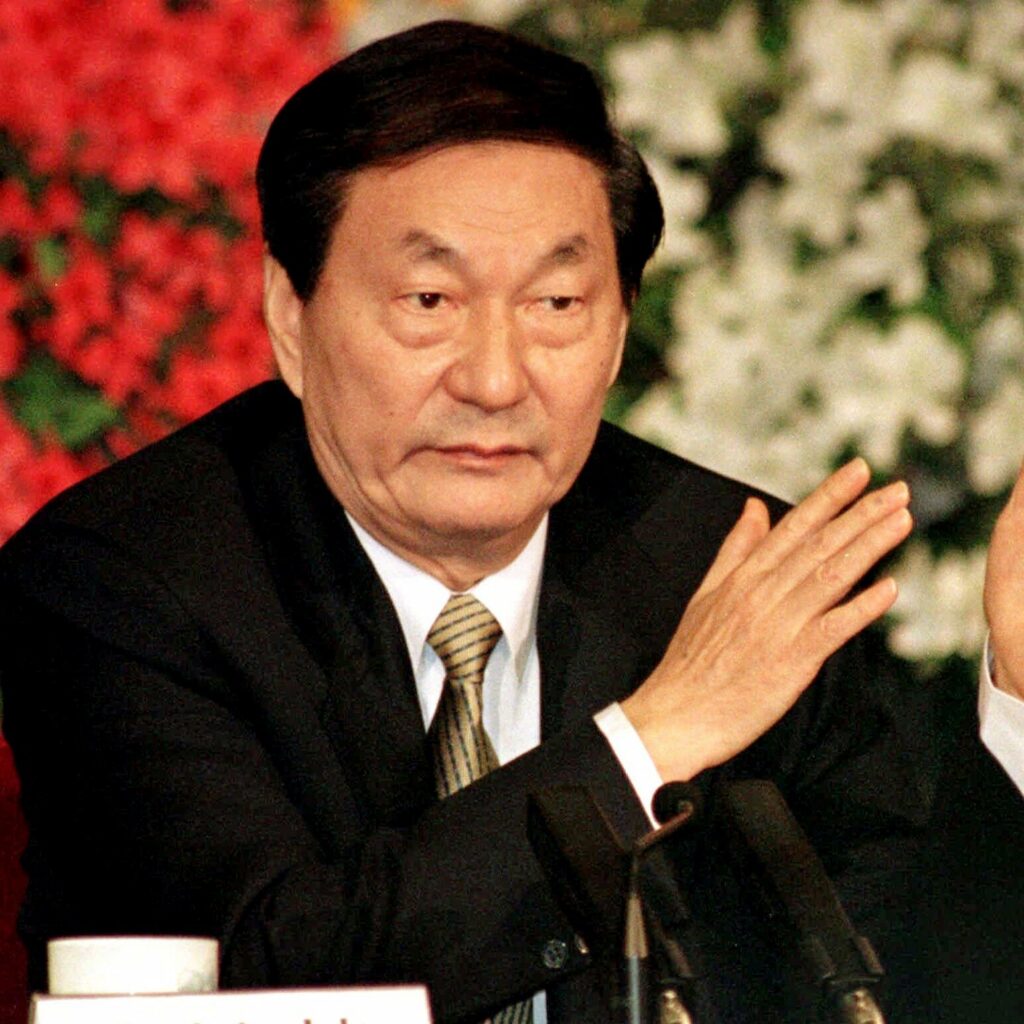
Zhu Rongji, a towering figure in modern Chinese economic history, passed away at the age of 97. Serving first as vice premier and later as premier, Zhu was instrumental in steering China through a critical phase of economic reform and opening up to the world. His leadership helped shift China from a centrally planned economy to a market-oriented one, laying the groundwork for its emergence as the world’s leading manufacturing hub and a key member of the World Trade Organization (WTO). This article explores Zhu’s legacy, his contributions to China’s economic transformation, and the broader implications of his policies during a pivotal era.
Zhu Rongji: Architect of China’s Market Economy and Global Integration
Early Career and Rise to Prominence
Zhu Rongji’s political career spanned several decades, during which he earned a reputation for pragmatic economic management and decisive leadership. Before becoming premier, he served as vice premier, a role in which he began implementing reforms aimed at modernizing China’s economy and integrating it with global markets. His background in engineering and economics provided him with a technical understanding that informed his methodical and data-driven approach to policy-making.
His ascent to the premiership coincided with a period when China was grappling with the complexities of transitioning from a rigid centrally planned system to a more flexible market economy. Zhu’s leadership style was marked by a focus on efficiency, transparency, and a determined effort to combat corruption—elements critical to gaining both public and political support for the sweeping reforms he championed.
Driving Economic Reform and Market Liberalization
As premier, Zhu Rongji accelerated economic reforms that dismantled many state-controlled mechanisms dominating China’s economy. He championed policies encouraging private enterprise, foreign investment, and competition, which collectively stimulated growth and innovation across multiple sectors.
A cornerstone of Zhu’s reform agenda was the restructuring of state-owned enterprises (SOEs). Recognizing that many SOEs were inefficient, burdened with debt, and a drain on government resources, he pushed for reforms that introduced market discipline, improved management practices, and allowed for bankruptcy and restructuring. This approach was crucial in increasing productivity, reducing fiscal burdens on the government, and setting SOEs on a path toward sustainability.
In addition, Zhu prioritized fiscal and monetary reforms to stabilize China’s economy. By tightening control over inflation, streamlining tax systems, and improving financial regulation, he created a more predictable and conducive environment for businesses and investors. These reforms helped lay the foundation for sustained economic growth and enhanced China’s resilience to economic shocks.
Integration into the Global Economy
Perhaps Zhu’s most enduring legacy is his leadership in guiding China into the World Trade Organization in 2001. This milestone marked China’s formal entry into the global trading system and signaled its commitment to abide by international trade rules and standards.
China’s accession to the WTO opened vast opportunities for its exports and attracted significant foreign direct investment, fueling rapid industrialization and export-led growth. Zhu’s negotiation skills and economic vision were critical in securing China’s accession under terms that balanced the opening of markets with protecting domestic interests.
Joining the WTO also required China to undertake significant legal and regulatory reforms, which Zhu oversaw. These changes enhanced transparency, strengthened intellectual property protections, and improved dispute resolution mechanisms, aligning China’s economy more closely with global standards and boosting international confidence in its trade practices.
Building China’s Manufacturing Powerhouse
Under Zhu’s leadership, China transformed into the world’s leading manufacturing power. The combination of market reforms, infrastructure investments, and integration into global supply chains enabled China to become the primary source of manufactured goods worldwide.
Zhu’s policies facilitated the growth of export-oriented industries and encouraged technological upgrading, helping China move from low-cost manufacturing to more advanced production. This shift not only increased China’s economic output but also contributed to raising living standards for millions of Chinese citizens by creating jobs and expanding incomes.
The manufacturing boom also had significant geopolitical implications, as China’s economic rise altered global trade patterns and economic balances. Zhu’s vision laid the foundation for China’s current status as a key player in international economic affairs, influencing global supply chains and economic diplomacy.
Challenges and Criticisms
Despite his successes, Zhu Rongji’s reforms were not without challenges and criticisms. The rapid pace of economic change led to social dislocation, including unemployment in restructured SOEs and rising income inequality, which created tensions within Chinese society.
Some critics argued that the reforms disproportionately favored urban and coastal regions, leaving rural areas behind and exacerbating regional disparities. Additionally, the environmental costs of rapid industrialization, such as pollution and resource depletion, began to surface during and after his tenure, posing long-term sustainability challenges.
Zhu’s tough stance on corruption and bureaucracy sometimes created political friction, but his ability to navigate these tensions was key to sustaining reform momentum. His willingness to confront entrenched interests helped maintain the course of reform despite opposition.
Legacy and Impact on Modern China
Zhu Rongji’s tenure as premier fundamentally reshaped China’s economic trajectory. His commitment to market principles and global engagement set the stage for China’s emergence as a global economic powerhouse.
Many of the reforms he implemented continue to influence China’s economic policies today, including ongoing efforts to balance growth with social equity and environmental sustainability. His pragmatic approach and willingness to tackle entrenched problems have earned him respect both within China and internationally.
Zhu’s legacy is reflected in China’s sustained economic growth, its integration into the global economy, and its evolving role as a major player on the world stage. Understanding his contributions provides valuable insight into the forces that have shaped today’s global economy and China’s role within it.
What this means
Zhu Rongji’s death marks the passing of a leader whose vision and determination transformed China’s economy and its place in the world. His pragmatic reforms and commitment to opening China’s markets not only spurred unprecedented economic growth but also integrated the country into the global economic system. While challenges remain from the rapid changes initiated during his tenure, Zhu’s legacy endures in the foundations of modern China’s economic strength and international engagement. Reflecting on his contributions offers valuable perspective on the economic forces shaping the 21st century and China’s pivotal role within them.
Originally reported by nytimes.com. Adapted for our readers with AI assistance.
Analysis shows Nigeria’s federal education allocation lags regional peers, affecting workforce development and creating opportunities for private sector involvement in training, technology and infrastructure.
As Nigeria commemorates 66 years of independence, the organised private sector urges the government to shift from macroeconomic stabilisation to tangible productivity gains, warning…
Etihad Airways is considering legal steps against the Premier League after an independent commission found Manchester City guilty of 114 financial rule breaches. The…