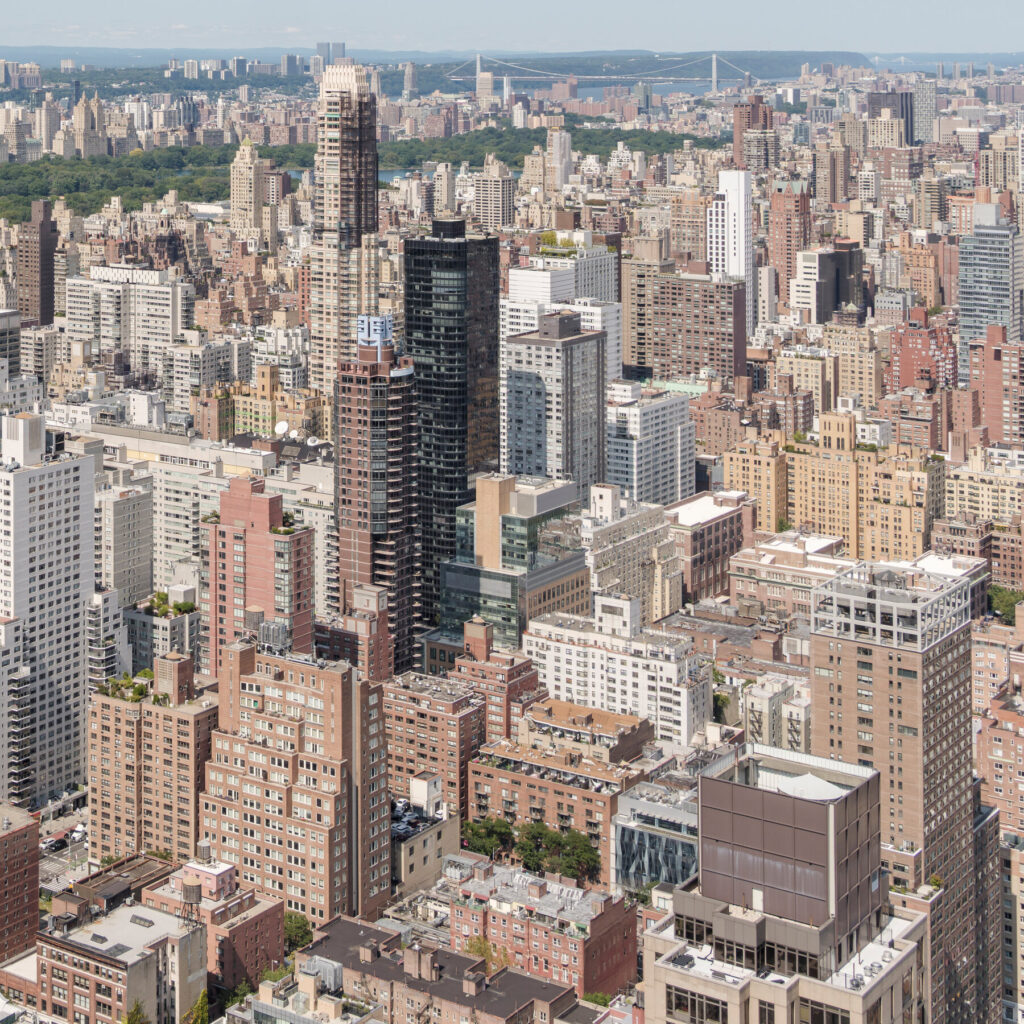
The Staten Island Lawsuit That Could Reshape New York’s Second-Home Tax Policy
In an effort to address housing affordability and generate additional revenue, New York State introduced a tax targeting owners of second homes, commonly referred to as the Mamdani tax. However, this tax has encountered unexpected resistance in the form of a lawsuit filed by Staten Island homeowners. The legal challenge has led to a temporary injunction, complicating the state’s plans to implement the tax and raising questions about its future. This article examines the background of the tax, the details of the lawsuit, and the broader implications for property owners and policymakers.
The Staten Island Lawsuit That Could Reshape New York’s Second-Home Tax Policy
Understanding the Mamdani Second-Home Tax
The Mamdani tax was introduced as part of New York State’s broader strategy to increase revenue from affluent property owners and address the housing crisis by discouraging the purchase of multiple residences. It specifically targets individuals who own second homes, often referred to as 'pied-à-terre' properties, which are not their primary residences.
The tax aims to generate funds that can be redirected toward affordable housing initiatives and community development projects. By imposing an additional levy on these secondary properties, the state hopes to disincentivize speculative real estate purchases that contribute to inflated housing prices and reduced availability for full-time residents.
The tax was scheduled for rapid implementation, reflecting the urgency with which state officials sought to address housing inequities and budgetary shortfalls. However, the swift rollout has encountered legal and administrative hurdles, complicating the state’s efforts to enforce the policy effectively.
The Staten Island Lawsuit: A Legal Challenge Emerges
Shortly after the tax was announced, a group of Staten Island homeowners filed a lawsuit challenging its legality and fairness. These plaintiffs argue that the tax unfairly targets certain property owners and could have unintended economic consequences for communities outside of Manhattan and other high-demand areas.
The lawsuit persuaded a judge to issue a temporary injunction, effectively pausing the tax’s implementation while the court reviews the case. This pause has introduced uncertainty into the tax’s future and has prompted state officials to reconsider aspects of the policy.
The plaintiffs contend that the tax violates principles of equal protection under the law and may disproportionately impact middle-class homeowners who own secondary properties for legitimate reasons, such as family use or work-related travel. They also question whether the tax was enacted with sufficient public input and whether it aligns with existing property tax frameworks, raising concerns about transparency and procedural fairness.
Implications for Property Owners and the Real Estate Market
The lawsuit and subsequent injunction have created a complex environment for property owners who may be subject to the Mamdani tax. Many are uncertain about their potential tax liabilities and how the ongoing legal proceedings might affect their financial planning and property decisions.
Real estate experts suggest that the tax, if implemented, could cool demand for second homes in New York City, particularly among wealthy buyers who use these properties as pied-à-terre. This cooling effect could lead to a moderation in luxury property prices and potentially increase availability for full-time residents, addressing some aspects of the housing shortage.
However, the legal challenge highlights the difficulty in balancing revenue generation with fairness and economic impact. Some analysts warn that overly aggressive taxation could discourage investment in the city’s real estate market, potentially affecting jobs and economic growth tied to property development, management, and ancillary services. The uncertainty created by the lawsuit also complicates market dynamics, as buyers and sellers await clarity on the tax’s fate.
State Officials’ Response and Future Prospects
In response to the lawsuit and the court’s injunction, New York State officials have expressed their commitment to defending the Mamdani tax. They argue that the tax is a necessary tool to address housing shortages and ensure that wealthier property owners contribute their fair share to the city’s economy.
Officials are also exploring adjustments to the tax’s design and implementation timeline to address some of the concerns raised by the lawsuit. Potential modifications include clarifying exemptions, refining assessment methods, and increasing transparency regarding how the tax revenue will be allocated toward housing and community programs.
The outcome of the legal proceedings will be pivotal. If the court ultimately upholds the tax, New York could set a precedent for other jurisdictions considering similar measures to combat housing affordability issues. Conversely, if the tax is struck down, policymakers will need to seek alternative approaches to achieve their housing and revenue goals, possibly involving more collaborative stakeholder engagement and policy refinement.
Broader Context: Second-Home Taxes Across the United States
New York is not alone in grappling with how to tax second homes. Several cities and states have experimented with or proposed taxes targeting pied-à-terre properties, aiming to curb speculative real estate practices and raise funds for local priorities such as affordable housing and infrastructure.
These measures vary widely in scope and structure, reflecting different local housing markets, political climates, and policy objectives. Some jurisdictions have implemented surcharges on luxury properties, vacancy taxes to encourage full-time occupancy, or tiered tax rates based on property value.
The Staten Island lawsuit highlights the challenges inherent in designing and enforcing such taxes. Legal challenges often focus on issues of fairness, administrative feasibility, and economic impact, underscoring the need for careful policy crafting, transparent processes, and stakeholder engagement to ensure both effectiveness and public acceptance.
What this means
The Staten Island lawsuit against New York’s Mamdani second-home tax underscores the complexities of implementing policies aimed at addressing housing affordability through targeted taxation. While the tax seeks to generate vital revenue and discourage speculative property ownership, legal challenges highlight concerns about fairness, transparency, and economic impact. As the courts deliberate, policymakers face the delicate task of balancing these competing interests. The outcome will not only shape New York’s housing landscape but could also influence how other cities approach taxing second homes in the future, potentially redefining strategies to promote equitable and sustainable urban development.
Originally reported by nytimes.com. Adapted for our readers with AI assistance.
An in-depth look at the world's leading developer communities reveals shifting growth patterns, with emerging economies outpacing traditional tech hubs in expansion rates, presenting…
The company formerly known as Bed Bath & Beyond is restructuring its partnership with Fathom to leverage digital assets like tZero, Medici, and GrainChain,…
The recently released poster for the Elon Musk documentary 'Musk' has sparked widespread discussion for its unconventional and arguably amateurish design. This article explores…