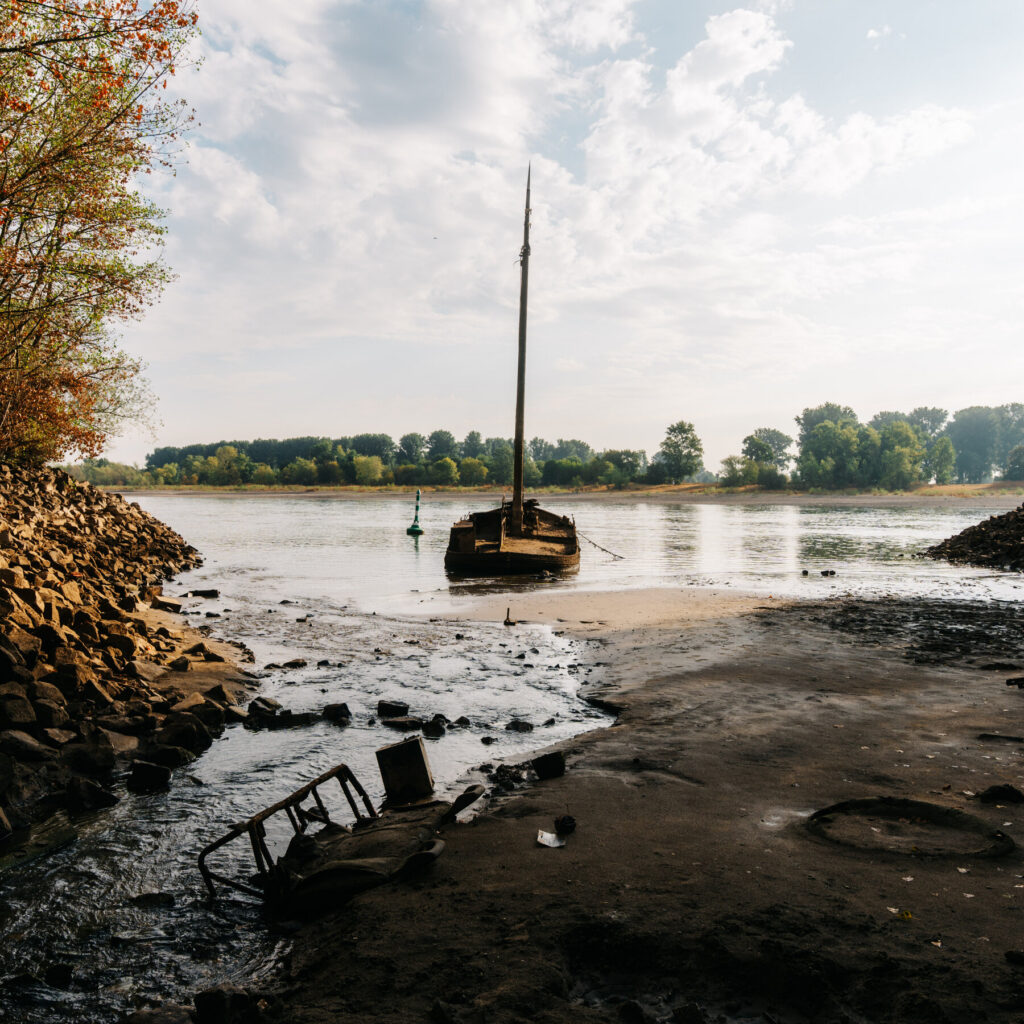
Rhine River Drought: A Looming Threat to Europe’s Economic Lifeline
The Rhine River has long been a vital conduit for transporting goods and raw materials that fuel Europe’s industrial engine. Stretching from the Swiss Alps through Germany and the Netherlands to the North Sea, it supports a dense network of ports, factories, and logistics hubs. However, recent record low water levels caused by severe drought conditions have severely impaired the river’s navigability. This disruption threatens to ripple across European economies by complicating supply chains, increasing transportation costs, and raising the risk of broader economic slowdowns. Understanding the implications of this environmental challenge is essential for policymakers, businesses, and communities dependent on the Rhine’s flow.
Rhine River Drought: A Looming Threat to Europe's Economic Lifeline
The Rhine River’s Economic Importance
The Rhine is one of Europe’s busiest waterways, integral to the movement of goods including coal, chemicals, steel, and agricultural products. It connects major industrial regions, facilitating efficient and cost-effective freight transport that underpins manufacturing and trade.
Ports along the Rhine handle millions of tons of cargo annually, making it a backbone of European commerce. Its navigability directly influences the operational efficiency of industries reliant on just-in-time delivery and bulk shipments.
Any disruption to the Rhine’s flow can cascade through supply chains, affecting production schedules, inventory levels, and ultimately consumer prices. Given the river’s capacity to carry large volumes of cargo at relatively low cost compared to road or rail, its impairment forces industries to seek alternative, often more expensive, transport methods. This shift not only raises costs but also increases environmental impacts due to higher emissions from road and rail freight compared to barge transport.
Record Low Water Levels and Their Causes
The current drought impacting the Rhine is unprecedented in recent history, with water levels dropping to record lows. This phenomenon results from a combination of prolonged dry weather, higher temperatures, and reduced rainfall in the river’s catchment area.
Climate change is exacerbating these conditions, leading to more frequent and severe droughts in Central Europe. The Rhine’s flow depends heavily on snowmelt from the Alps and consistent precipitation, both of which have diminished due to shifting climate patterns.
These environmental shifts not only reduce the river’s depth but also affect water quality and ecosystem health, compounding the challenges for navigation and industry. Lower water levels increase sediment concentration and water temperature, impacting aquatic life and further complicating waterway management. The reduced flow also diminishes the river’s ability to dilute pollutants, raising concerns about water safety for industrial and municipal use.
Impact on Supply Chains and Industry
Low water levels restrict the size and weight of vessels that can safely navigate the Rhine, forcing companies to reduce cargo loads or seek alternative transport modes such as rail and road.
This shift leads to increased transportation costs and logistical complexities. Rail and road options are often more expensive and less efficient for bulk goods, straining supply chains and increasing delivery times.
Industries dependent on raw materials transported via the Rhine, including chemicals, manufacturing, and energy sectors, face production delays and higher input costs. These pressures can slow economic growth and reduce competitiveness.
Moreover, the unpredictability of river conditions complicates planning and inventory management, prompting businesses to hold larger stockpiles or diversify suppliers, which further increases operational costs. These adjustments can disrupt just-in-time manufacturing models, leading to inefficiencies and potential product shortages.
The cumulative effect of these disruptions extends beyond immediate logistical challenges, potentially influencing market prices for consumer goods and industrial products across Europe.
Broader Economic Risks and Challenges
The Rhine drought poses systemic risks to the European economy by disrupting a critical trade artery. Prolonged or repeated low water events could undermine investor confidence and prompt shifts in industrial location decisions.
Regional economies along the river, particularly in Germany and the Netherlands, are vulnerable to job losses and reduced economic activity if freight disruptions persist.
Governments and businesses must grapple with balancing immediate mitigation efforts and long-term adaptation strategies to climate change impacts on key infrastructure.
Additionally, the Rhine’s role in energy supply chains—such as coal and chemical transport—means disruptions can ripple into energy markets, potentially affecting prices and energy security across Europe. This is particularly concerning amid ongoing energy transitions and geopolitical uncertainties.
The drought also highlights the vulnerability of interconnected infrastructure systems, where environmental stress on one component can cascade into broader economic and social challenges.
Mitigation Efforts and Future Outlook
Authorities are exploring measures such as dredging, water management improvements, and investment in alternative transport infrastructure to alleviate navigation issues.
Technological innovations in vessel design and cargo handling may also help optimize transport under constrained conditions, enabling ships to carry more cargo safely in shallower waters.
However, experts emphasize that addressing the root causes of climate change and enhancing resilience through coordinated European policies will be essential to safeguard the Rhine’s role in the future economy.
Long-term strategies include improving water retention in the river basin, diversifying transport networks, and fostering cross-border cooperation to manage water resources sustainably.
Furthermore, enhancing early warning systems and adaptive logistics planning can help businesses better anticipate and respond to fluctuating river conditions, reducing economic disruptions.
Ultimately, a combination of technological, infrastructural, and policy measures will be necessary to ensure the Rhine remains a reliable economic lifeline amid a changing climate.
What this means
The ongoing drought along the Rhine River serves as a stark reminder of how environmental factors can directly impact economic stability and growth. As Europe confronts the challenges posed by climate change, ensuring the resilience of vital transport corridors like the Rhine will require coordinated action across governments, industries, and communities. While immediate mitigation can ease some pressures, sustainable solutions must address the underlying climatic shifts threatening this essential waterway. The future of European commerce and industry depends on safeguarding the Rhine’s flow and adapting to a changing environment, underscoring the urgent need for integrated policies that balance economic development with environmental stewardship.
Originally reported by nytimes.com. Adapted for our readers with AI assistance.
The recently released poster for the Elon Musk documentary 'Musk' has sparked widespread discussion for its unconventional and arguably amateurish design. This article explores…
Recent advances in machine perfusion technology are not only preserving donated livers but also making them biologically younger at a molecular level. This breakthrough…
As AI technologies advance rapidly, concerns about existential risks have emerged among leading AI researchers and industry figures. This article explores the origins of…