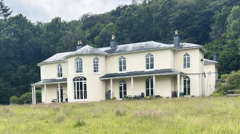
Living Together in a Georgian Mansion: The Cooperative Community of Dol-llys Hall
Living in a Georgian manor house surrounded by acres of countryside often evokes images of luxury accessible only through great wealth. Yet, Dol-llys Hall, located near Llanidloes in Powys, Wales, challenges this notion by providing a cooperative living environment within a historic estate. This Grade II listed building, with its rich history and expansive grounds, is home to a community of residents who share responsibilities, resources, and decision-making while maintaining their own private living spaces. This article explores the origins, lifestyle, and values of the Dol-llys Hall community, offering insights into cooperative housing as a sustainable and socially enriching alternative to conventional homeownership.
Inside Dol-llys Hall: A Cooperative Community Living in a Georgian Mansion
A Historic Home Reimagined for Community Living
Dol-llys Hall, constructed in the early 1800s, has served various roles over the centuries, including a school and a care home. Today, it has been transformed into a cooperative housing community containing seven individual flats alongside shared communal spaces. The estate includes 15 acres of grounds featuring gardens, woodland, a lake, and farmland, all maintained collectively by the residents.
The building’s Grade II listed status underscores its architectural and historical significance, adding a layer of responsibility for preservation to the community’s cooperative efforts. This blend of heritage and modern communal living creates a unique environment where history and contemporary values intersect.
The Cooperative Model: Balancing Privacy and Shared Responsibility
Residents at Dol-llys Hall describe their living arrangement as co-housing rather than a commune. Each member has their own flat with a private entrance, providing personal space and autonomy. At the same time, they share common areas such as living rooms, laundry facilities, and the extensive grounds. This structure fosters a sense of community without sacrificing individual privacy.
Decision-making is conducted by consensus, ensuring that all voices are heard in matters ranging from maintenance to sustainability projects like solar panel installation. While this process can be time-consuming, it strengthens communal bonds and ensures that initiatives reflect the collective will.
Residents commit to contributing time and effort to the upkeep of the estate, including a minimum of one workday per month. Tasks include gardening, maintaining the wood supply for the communal heating system, and general property care. This shared labor reinforces the community’s sustainability goals and reduces reliance on external services.
Diverse Residents United by Shared Values
The community at Dol-llys Hall is diverse in age and background, ranging from young families with children to retirees. Many residents come from professions in healthcare, education, and public service, reflecting a shared ethos of care and community involvement.
Louise Robinson, a long-standing resident, moved to Dol-llys after leaving a career in insurance in London. She sought a lifestyle that combined rural living with social connection, finding in Dol-llys a balance between community support and personal independence.
Other residents, such as Ken O’Brien and Susan Lancaster, were drawn to the cooperative’s stability and mature management when seeking a retirement home. Their experience in communal living and desire for resilience through shared projects like food growing align with the community’s values.
Younger residents like Jemma and her partner Yiannis bring alternative living experiences and a focus on sustainability, permaculture, and vocational engagement. Their backgrounds in healthcare and social support complement the community’s emphasis on mutual aid and practical cooperation.
Sustainability and Self-Sufficiency at Dol-llys Hall
Sustainability is a core principle for the Dol-llys community. The estate utilizes a wood-fired boiler for heating and solar panels to supplement electricity needs. Residents are billed according to their consumption, promoting mindful energy use.
The grounds include allotments and polytunnels where residents and local people grow vegetables, contributing to food self-sufficiency. The community also manages woodland for fuel and maintains a chicken field, integrating small-scale agriculture into their lifestyle.
Educational opportunities arise through hosting volunteers from organizations like Wwoof, which provides hands-on experience in organic farming and sustainable living. These initiatives not only support the estate’s upkeep but also foster knowledge-sharing and community outreach.
Membership, Governance, and Financial Structure
Joining Dol-llys Hall involves a four-stage application process designed to ensure a good fit between prospective members and the community. This careful selection helps maintain harmony and shared commitment to the cooperative’s values.
Ownership is structured on a loan stock basis, with the community collectively holding shares. Residents pay a monthly service charge covering communal expenses and projects. When a member leaves, their share value is adjusted based on local market trends to reflect fair equity changes.
Currently, a share costs approximately £230,000, granting the right to live in a two or three-bedroom flat. This pricing reflects the balance between the property’s historic value and the cooperative model, offering an alternative to conventional homeownership in the region.
Community Life and Local Engagement
Beyond the residents, Dol-llys Hall maintains strong ties with the surrounding community. The estate offers free allotments to locals in exchange for assistance during workdays and hosts open days and events such as yoga classes and board games weekends.
The communal spaces are available for local groups, fostering a sense of inclusivity and shared purpose. The residents have also supported friends by providing the hall as a wedding venue free of charge, demonstrating the community’s generosity and social cohesion.
Despite the demands of cooperative living, many residents find the human connections and shared goals deeply rewarding. As one resident noted, this model of living may offer a blueprint for addressing broader societal challenges related to affordability, resource management, and social isolation.
What this means
Dol-llys Hall offers a compelling example of how historic properties can be revitalized through cooperative living models that prioritize sustainability, community, and balanced privacy. Its residents demonstrate that shared responsibility and collective care can create a resilient and enriching lifestyle, providing an alternative to traditional housing arrangements. As interest in co-housing grows, Dol-llys stands as a mature and successful model that other communities might look to for inspiration. The blend of heritage, environmental stewardship, and human connection found here suggests that cooperative living could play an important role in addressing contemporary social and ecological challenges.
Originally reported by bbc.co.uk. Adapted for our readers with AI assistance.
Global investment banking giant J.P. Morgan is preparing to establish its first merchant banking operation in Nigeria, targeting a pre-year-end 2026 commencement pending regulatory…
Federal Government unveils comprehensive Nutrition 774 Initiative, leveraging schools as primary platforms for tackling child malnutrition through expanded feeding programs, health services, and nutrition…
Analysis shows Nigeria’s federal education allocation lags regional peers, affecting workforce development and creating opportunities for private sector involvement in training, technology and infrastructure.