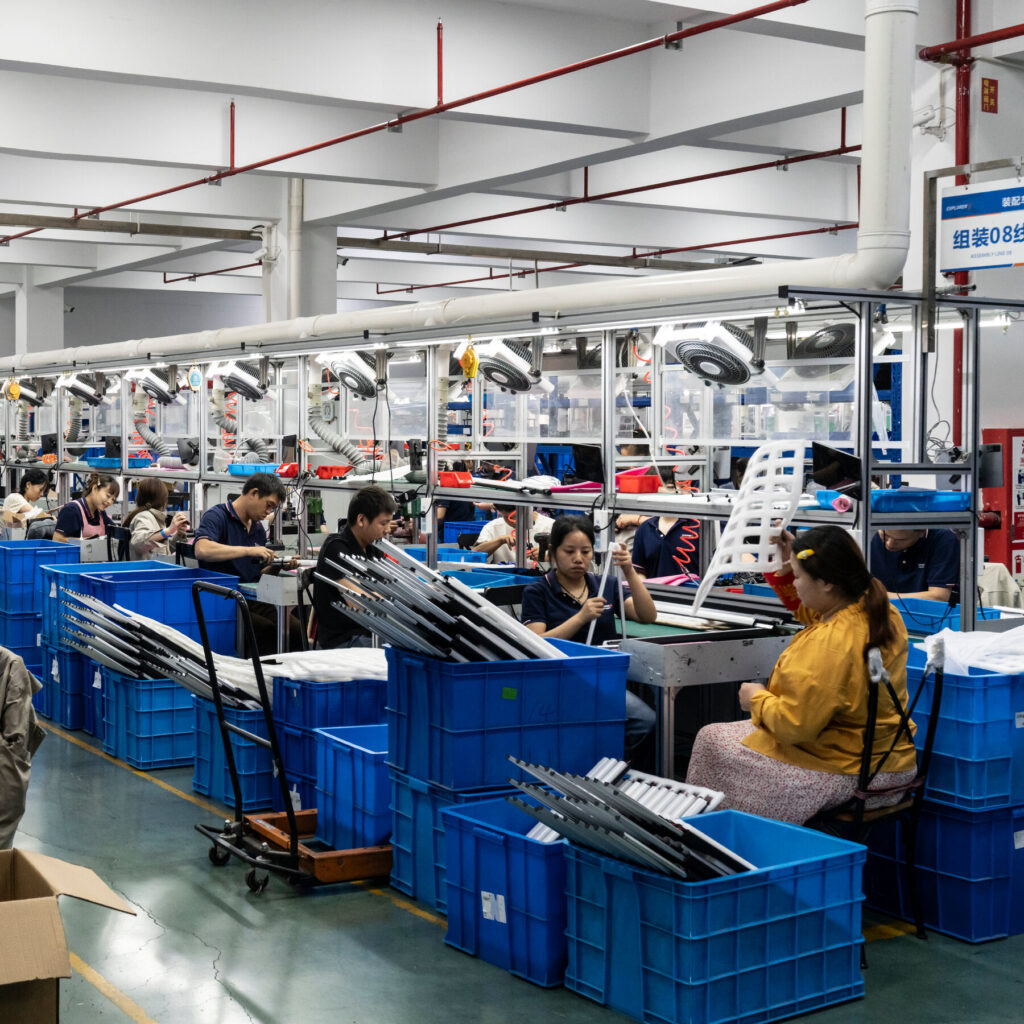
China’s economy is currently navigating a complex landscape marked by internal challenges and external pressures. While consumer spending remains sluggish and the property market struggles to regain momentum, the country’s export sector is experiencing robust growth. This paradox highlights the resilience of China’s manufacturing base and its critical role in the global trade ecosystem. Understanding the factors behind this export boom, as well as its implications, provides valuable insight into the broader dynamics shaping China’s economic trajectory.
Domestic Economic Headwinds: Consumer Spending and Property Market
China’s domestic economy is facing notable difficulties. Consumer spending, a key driver of economic growth, has remained weak amid cautious household sentiment and lingering uncertainties. Factors such as rising living costs, concerns about job security, and demographic shifts contribute to this subdued demand. This limited internal consumption constrains the potential for economic expansion within China and places greater emphasis on external trade as a growth lever.
Simultaneously, the property sector, traditionally a pillar of China’s economic development, continues to experience a prolonged slump. The slowdown in real estate activity has ripple effects across related industries such as construction, materials, and home appliances, dampening overall economic confidence. Regulatory measures aimed at curbing excessive debt in the sector have also contributed to reduced investment and slower sales. These domestic challenges underscore the importance of other economic engines, particularly exports, to sustain growth amid a fragile internal environment.
Export Sector: A Beacon of Growth
Contrasting sharply with domestic struggles, China’s export sector is demonstrating remarkable vitality. Factories across the country are meeting strong international demand, benefiting from global supply chain needs and competitive manufacturing capabilities. The ability to quickly scale production and deliver a diverse range of goods positions China as an indispensable supplier in global markets.
This export boom is supported by several factors. First, China’s well-established infrastructure and extensive production capacity enable it to efficiently serve diverse markets worldwide. Second, ongoing technological advancements and quality improvements have enhanced the appeal of Chinese goods, moving beyond low-cost manufacturing to more sophisticated products. Third, strategic trade relationships and agreements help secure access to key markets despite geopolitical tensions, allowing Chinese exporters to maintain and expand their global footprint.
Global Demand and Trade Dynamics
The sustained global demand for Chinese products reflects the country’s integral role in worldwide supply chains. Many industries rely on Chinese manufacturing for components and finished goods, ranging from electronics and machinery to textiles and consumer products. This deep integration makes China a critical node in the global trade network.
Even as some countries have expressed trade backlash or sought to diversify supply chains, China’s export volumes have remained strong. While geopolitical factors have led to increased scrutiny and efforts to reduce dependency on China, economic pragmatism and market realities continue to favor China as a primary supplier due to its cost advantages, scale, and reliability.
Moreover, China’s ability to adapt to shifting global trade dynamics contributes to its export success. This includes expanding into emerging markets with growing consumer bases, adjusting product offerings to meet changing demands, and leveraging digital trade platforms to reach new customers. Such flexibility helps China mitigate risks posed by trade tensions and global economic fluctuations.
Implications for China’s Economic Future
The divergence between domestic economic softness and export strength presents both opportunities and challenges for China. On one hand, robust exports provide a vital source of growth and foreign exchange, helping to offset internal weaknesses and support employment in manufacturing sectors.
On the other hand, reliance on external demand exposes China to risks associated with global economic fluctuations, trade disputes, and geopolitical uncertainties. Sustaining export momentum will require continuous innovation, diversification of export products and markets, and proactive engagement with international partners to navigate evolving trade environments.
Additionally, addressing domestic issues such as consumer confidence and property market health remains essential for balanced and sustainable economic development. Without revitalizing internal demand and stabilizing key sectors, China risks creating an imbalanced growth model overly dependent on external factors.
Balancing Trade Growth with Domestic Stability
China’s policymakers face the complex task of leveraging export growth while revitalizing the domestic economy. Measures to stimulate consumer spending, such as improving income distribution, enhancing social safety nets, and encouraging consumption through targeted incentives, could help strengthen internal demand.
Reforms in the property sector aimed at stabilizing housing markets and restoring investor confidence are also critical. This includes balancing regulatory oversight with policies that support sustainable development and avoid excessive speculation.
Simultaneously, maintaining open trade policies and investing in manufacturing innovation will support China’s competitive position globally. Emphasizing research and development, upgrading industrial capabilities, and fostering high-tech industries can help China move up the value chain and reduce vulnerability to external shocks.
This dual approach aims to create a more resilient economic structure capable of weathering both internal and external shocks. In the context of evolving global trade relations, China’s export boom underscores the importance of adaptability and strategic planning in sustaining economic momentum.
What this means
China’s current economic landscape reveals a nuanced picture of resilience and vulnerability. While domestic consumption and the property market pose challenges, the export sector’s robust performance highlights China’s enduring role as a global manufacturing powerhouse. Moving forward, the country’s ability to balance external trade success with internal economic reforms will be pivotal in shaping its growth trajectory. Policymakers must navigate this dual imperative to ensure sustainable and inclusive economic progress amid an increasingly complex global environment.
Originally reported by nytimes.com. Adapted for our readers with AI assistance.
The recently released poster for the Elon Musk documentary 'Musk' has sparked widespread discussion for its unconventional and arguably amateurish design. This article explores…
Recent advances in machine perfusion technology are not only preserving donated livers but also making them biologically younger at a molecular level. This breakthrough…
As AI technologies advance rapidly, concerns about existential risks have emerged among leading AI researchers and industry figures. This article explores the origins of…