America’s Top 25 Clothing Stores: Where Shoppers Prefer to Spend Their Dollars
In a retail landscape crowded with countless options, consumers often seek out clothing stores that not only offer quality products but also deliver exceptional shopping experiences. To understand where Americans prefer to shop for apparel, we gathered hundreds of responses from readers across the country. This article presents the 25 clothing stores that emerged as favorites, reflecting a broad spectrum of styles, price points, and shopping environments. Whether you’re looking for timeless classics, trendy pieces, or sustainable options, these retailers have earned the loyalty of shoppers nationwide by meeting diverse needs and expectations.
America’s Top 25 Clothing Stores: Where Shoppers Prefer to Spend Their Dollars
Diverse Choices Reflecting Varied Consumer Preferences
The 25 clothing stores selected by readers represent a wide range of retail formats, from large department stores to boutique chains and online platforms. This diversity underscores the varied tastes and priorities of American shoppers. Some prioritize affordability and accessibility, while others emphasize quality, sustainability, or unique style.
For example, stores like Nordstrom and Macy’s continue to attract customers with their extensive selections and reliable customer service. Meanwhile, brands such as Patagonia and Everlane appeal to consumers who value ethical production and environmental responsibility. This mix highlights how consumer values are shaping shopping habits today, as shoppers increasingly seek retailers that align with their personal beliefs and lifestyles.
Department Stores and Established Retailers
Traditional department stores remain a cornerstone of American retail, offering a one-stop shopping experience that caters to a broad audience. Nordstrom was frequently mentioned for its combination of high-quality merchandise and attentive service, creating a loyal customer base that values both product excellence and personalized attention.
Macy’s also garnered praise for its broad range of brands and frequent sales events, making it a go-to destination for many shoppers seeking variety and value. These stores benefit from their ability to cater to diverse demographics, stocking everything from casual wear to formal attire and accessories.
Their physical presence in malls and shopping centers provides convenience and a tactile shopping experience, while many have expanded their online offerings to meet the growing demand for digital shopping. This hybrid approach allows them to maintain relevance in a changing retail environment.
Specialty and Boutique Retailers Capturing Niche Markets
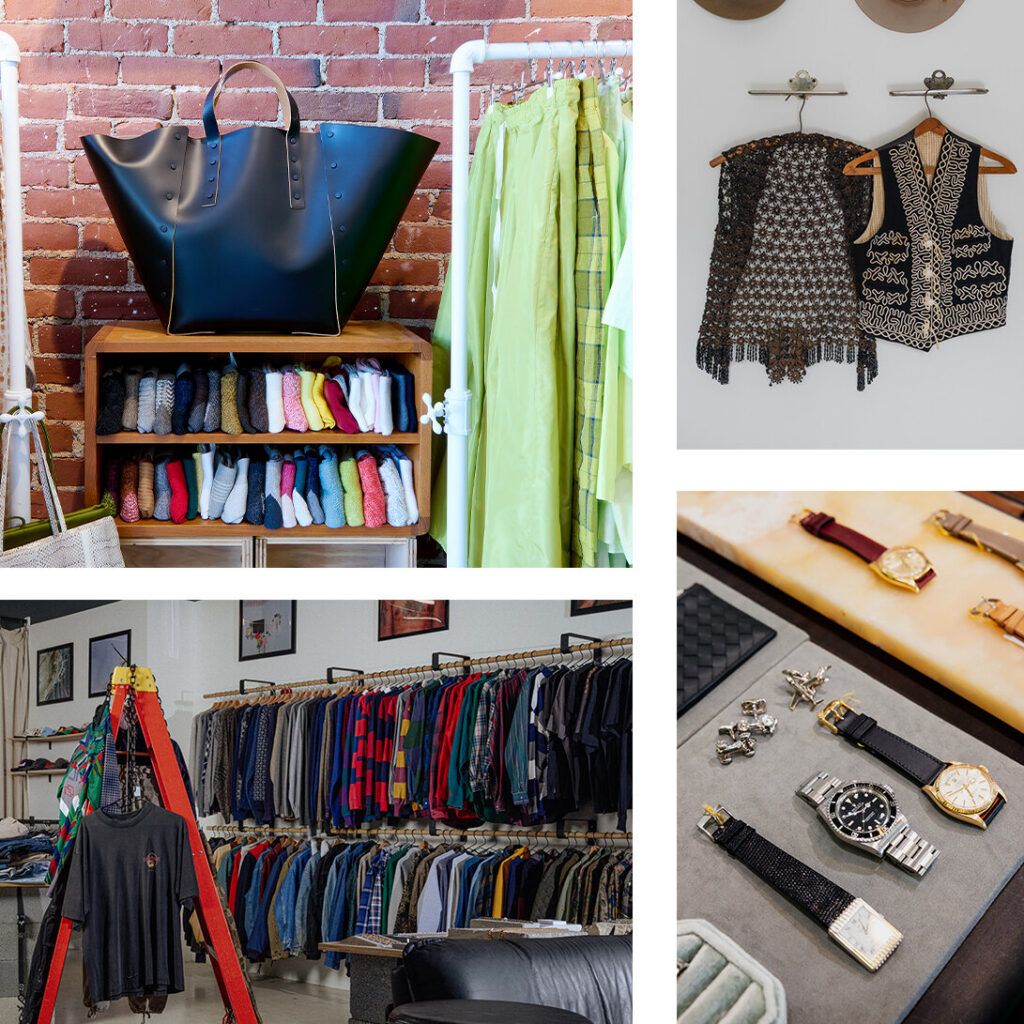
Beyond department stores, several specialty and boutique retailers earned strong support for their distinctive appeal. Brands like Anthropologie and Madewell were favored for their fashion-forward selections that resonate with younger, style-conscious shoppers seeking unique and thoughtfully curated pieces.
These retailers often emphasize unique designs and curated collections, differentiating themselves from mass-market stores. Their ability to foster a sense of community through in-store events, personalized service, and a distinctive shopping atmosphere also contributes to their popularity.
By focusing on quality and individuality, these boutiques attract customers who value expression through fashion and who appreciate the experience of discovering pieces that stand apart from mainstream offerings.
Sustainable and Ethical Brands on the Rise
Sustainability has become a significant factor influencing consumer choices, reflecting a broader cultural shift toward environmental consciousness and social responsibility. Patagonia and Everlane stood out in the survey for their commitment to ethical manufacturing and transparent sourcing practices.
Shoppers increasingly seek brands that align with their values, favoring companies that prioritize environmental stewardship, fair labor practices, and transparency. This trend is reshaping the industry, encouraging more retailers to adopt sustainable practices and communicate their efforts openly.
The rise of these brands demonstrates how ethical considerations are becoming integral to purchasing decisions, with consumers willing to support companies that contribute positively to the planet and society.
Affordable Fashion: Balancing Cost and Style
Stores like Old Navy and H&M were frequently cited for offering trendy clothing at accessible prices, appealing to budget-conscious shoppers who want to stay fashionable without overspending.
While fast fashion has faced criticism for its environmental impact, these brands are making strides to improve sustainability by incorporating eco-friendly materials and responsible production methods. This response to consumer demand illustrates the evolving nature of affordable fashion, where cost-effectiveness and environmental responsibility are increasingly balanced.
For many shoppers, these retailers provide an entry point to current trends and wardrobe staples, making fashion accessible to a wide audience while gradually addressing sustainability concerns.
The Growing Influence of Online Retailers
Although brick-and-mortar stores dominate the list, online retailers also play a crucial role in shaping shopping habits. Brands with strong e-commerce platforms enable shoppers to access a wide variety of styles and sizes conveniently from home.
Consumers appreciate the ease of browsing and purchasing online, as well as the ability to read reviews, compare products, and benefit from home delivery and flexible return policies. This convenience has become increasingly important, especially in light of recent shifts toward digital shopping accelerated by global events.
Many traditional stores have enhanced their online presence to compete effectively in this digital marketplace, integrating seamless omnichannel experiences that combine the best of physical and virtual shopping.
Regional Favorites and Local Gems
Some readers highlighted regional and local stores that may not have national recognition but hold significant appeal within their communities. These retailers often offer personalized service and unique merchandise that reflect local culture and tastes.
Supporting local businesses remains important to many shoppers, contributing to the diversity of the retail landscape and providing alternatives to national chains. These local gems foster community connections and offer distinctive products that resonate with regional identities.
Their presence enriches the overall shopping ecosystem, ensuring that consumers have access to a wide range of options that cater to both mainstream and niche preferences.
What this means
The landscape of American clothing retail is dynamic and multifaceted, reflecting the diverse needs and values of shoppers across the country. The 25 favorite stores identified by readers illustrate how consumers balance factors such as quality, price, style, and ethics when choosing where to shop. As the industry evolves, retailers that adapt to these shifting priorities—whether through sustainability initiatives, enhanced customer experiences, or digital innovation—are likely to maintain and grow their appeal. For shoppers, this variety ensures access to options that fit their individual preferences and lifestyles, making the search for the perfect wardrobe both exciting and rewarding.
Originally reported by nytimes.com. Adapted for our readers with AI assistance.
The recently released poster for the Elon Musk documentary 'Musk' has sparked widespread discussion for its unconventional and arguably amateurish design. This article explores…
Recent advances in machine perfusion technology are not only preserving donated livers but also making them biologically younger at a molecular level. This breakthrough…
As AI technologies advance rapidly, concerns about existential risks have emerged among leading AI researchers and industry figures. This article explores the origins of…