
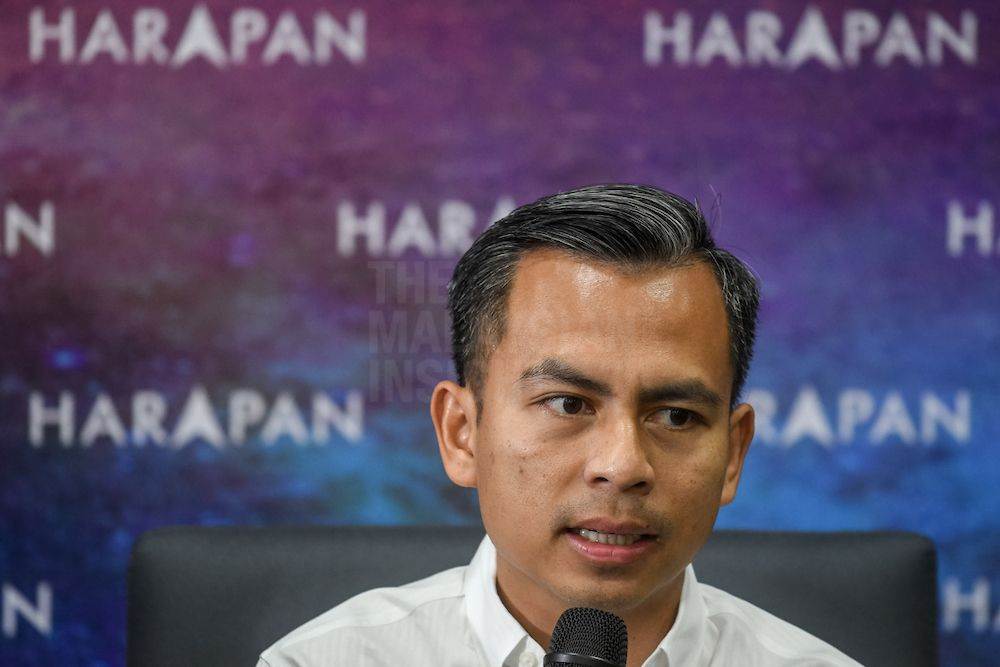
Artificial intelligence (AI) has revolutionized many aspects of our daily lives, from enhancing productivity to enabling innovative communication tools. However, with the rapid advancement of AI, new challenges have emerged, particularly in the realm of synthetic media. Deepfakes — hyper-realistic manipulated videos and images created using AI algorithms — have become a tool for deception, misinformation, and scams. Fahmi Fadzil, Malaysia’s Minister of Communications, recently issued a strong warning urging the public to be cautious of deepfake content circulating online. This article delves into the complexities of AI-generated deepfakes, their implications for society, and measures individuals and institutions can take to safeguard themselves.
Understanding AI-Generated Deepfakes: Technology Behind the Illusion
Deepfakes are synthetic media in which a person’s likeness is digitally replaced or manipulated using advanced AI techniques, particularly deep learning methods such as generative adversarial networks (GANs). These AI models learn to create highly convincing fake images and videos by analyzing vast datasets of real footage, enabling them to produce content that is often indistinguishable from authentic recordings.
The term “deepfake” originated in 2017 when a Reddit user posted manipulated videos created using deep learning. Since then, the technology has evolved rapidly, becoming more accessible and sophisticated. Modern deepfake tools allow users to generate realistic face swaps, voice imitations, and even entire scenes with minimal technical expertise, raising concerns about misuse.
While deepfakes have legitimate applications in entertainment, education, and creative industries, their darker potential lies in deception. Malicious actors can exploit this technology to fabricate evidence, impersonate individuals, or spread misinformation, which can have severe consequences for individuals, organizations, and governments.
Minister Fahmi Fadzil’s Warning: The Malaysian Context
In July 2024, Fahmi Fadzil, Malaysia’s Minister of Communications, addressed the growing threat posed by AI-generated deepfakes during a monthly assembly in Putrajaya. He highlighted recent incidents where scammers used deepfake videos and images to deceive the public, urging increased vigilance and awareness.
Fahmi specifically referenced a case involving Malaysia’s renowned singer, Siti Nurhaliza, who shared an Instagram post exposing how scammers created a deepfake WhatsApp video call simulating her talking. This demonstration illustrated how convincing and potentially harmful such synthetic content can be, especially when used to impersonate public figures for fraudulent purposes.
The minister emphasized that while AI is a powerful tool for national development, it is a double-edged sword. He called on media agencies like Bernama and Radio Televisyen Malaysia to actively educate the public about the risks of deepfakes, encouraging critical consumption of digital content to prevent falling victim to scams.
The Dangers of Deepfakes: From Personal Scams to Societal Disruption
Deepfakes pose multifaceted risks that extend beyond individual scams. On a personal level, victims can suffer financial loss, reputational damage, and emotional distress when their identities are manipulated or misrepresented in fake videos. Scammers often use deepfakes to conduct phishing attacks or impersonate trusted contacts, increasing the likelihood of successful fraud.
At a broader societal level, deepfakes can undermine trust in media and institutions. Politically motivated deepfakes could spread false information, incite unrest, or manipulate public opinion. Such misinformation campaigns threaten democratic processes and can exacerbate social divisions.
Moreover, the rapid dissemination of deepfake content on social media platforms complicates efforts to verify authenticity. The viral nature of these videos can amplify their impact before fact-checking mechanisms intervene, making early detection and public awareness critical components in combating their effects.
Real-World Examples Highlighting Deepfake Threats
Beyond Malaysia, deepfakes have been implicated in various high-profile incidents worldwide. For example, manipulated videos of politicians making inflammatory statements have circulated online, creating confusion and diplomatic tensions. In some cases, deepfakes have been used to fabricate celebrity scandals or fake endorsements, misleading fans and consumers.
In the corporate sphere, deepfakes have been employed in business email compromise scams, where attackers impersonate executives’ voices to authorize fraudulent transactions. Such attacks have led to millions of dollars in losses globally, illustrating the severe financial threat posed by synthetic media.
These examples underscore the urgency of developing technological and regulatory responses to deepfakes. They also highlight the importance of public education to help individuals recognize suspicious content and avoid becoming victims of these sophisticated scams.
How to Identify Deepfakes: Practical Tips for the Public
Given the increasing realism of deepfakes, identifying them can be challenging. However, there are telltale signs that viewers can look for. Unnatural facial movements, inconsistent lighting or shadows, and irregular blinking patterns are common indicators that a video may be manipulated.
Audio inconsistencies, such as mismatched lip-syncing or robotic-sounding voices, can also signal deepfake content. Additionally, verifying the source of the video and cross-checking with trusted news outlets or official statements can help confirm authenticity.
Technological tools are emerging to assist in detection, including AI-powered deepfake detectors and browser extensions. While these tools are not foolproof, combining them with critical thinking and media literacy empowers individuals to better navigate the digital information landscape.
Government and Media Roles in Combating Deepfake Misinformation
Governments play a pivotal role in addressing the deepfake challenge by enacting legislation that penalizes malicious use of synthetic media. Clear legal frameworks can deter perpetrators and provide avenues for victims to seek redress. Malaysia’s Communications Ministry, under Fahmi’s leadership, is actively promoting public awareness campaigns to educate citizens about deepfake risks.
Media organizations also bear responsibility for verifying content before publication and raising awareness through informative programming. Collaborations between government agencies, tech companies, and news outlets are essential to develop effective strategies for detection, reporting, and countering misinformation.
Furthermore, investing in research and development of advanced detection technologies will help stay ahead of increasingly sophisticated deepfake techniques. Public-private partnerships can facilitate resource sharing and innovation in this area, enhancing resilience against synthetic media threats.
The Ethical Implications of AI and Deepfake Technology
The rise of deepfakes raises profound ethical questions about consent, privacy, and the responsible use of AI. Creating synthetic media involving individuals without their permission violates personal rights and can cause significant harm. Ethical frameworks are needed to guide developers and users in balancing innovation with respect for human dignity.
Transparency is crucial; creators of AI-generated content should disclose when media is synthetic to prevent deception. Platforms hosting user-generated content must implement policies to manage and mitigate the spread of harmful deepfakes while preserving freedom of expression.
Educating the public on digital ethics and fostering critical thinking will empower society to navigate the complexities introduced by AI. Encouraging responsible AI development, combined with robust legal and social safeguards, can help harness the benefits of this technology while minimizing its risks.
Future Outlook: Preparing for a Deepfake-Influenced Digital World
As AI technologies continue to evolve, deepfakes will become more sophisticated and harder to detect. This inevitability demands proactive preparation from individuals, institutions, and governments. Enhancing digital literacy education from an early age can equip future generations with the skills to critically evaluate online content.
Technological solutions such as blockchain-based verification and watermarking may offer ways to authenticate genuine media. Meanwhile, ongoing collaboration among international stakeholders is necessary to establish norms and standards addressing synthetic media challenges globally.
Ultimately, fostering a culture of skepticism combined with trust in verified sources will be key to mitigating the adverse effects of deepfakes. Fahmi Fadzil’s call for public caution and education is a vital step toward building resilience in the face of this emerging digital threat.
Conclusion
The proliferation of AI-generated deepfakes presents a formidable challenge in today’s digital landscape. Fahmi Fadzil’s warning serves as a crucial reminder that while AI holds immense promise, its misuse can have serious consequences. By fostering awareness, enhancing detection capabilities, and promoting ethical AI practices, society can mitigate the risks posed by synthetic media. It is imperative for individuals to remain cautious and discerning consumers of digital content, supported by robust institutional frameworks designed to protect truth and trust in the information age.