
AI Trends & News
Surface Laptop Ultra Pre-orders Open: Price, Release Date and AI Features
Microsoft opens Surface Laptop Ultra pre-orders from US$2,599.99. Explore its launch date, NVIDIA RTX Spark features and implications for Nigerian businesses.
TAMFIS NIG LTDRC 8067447CAC ACTIVEFinima, Bonny Island, Rivers State

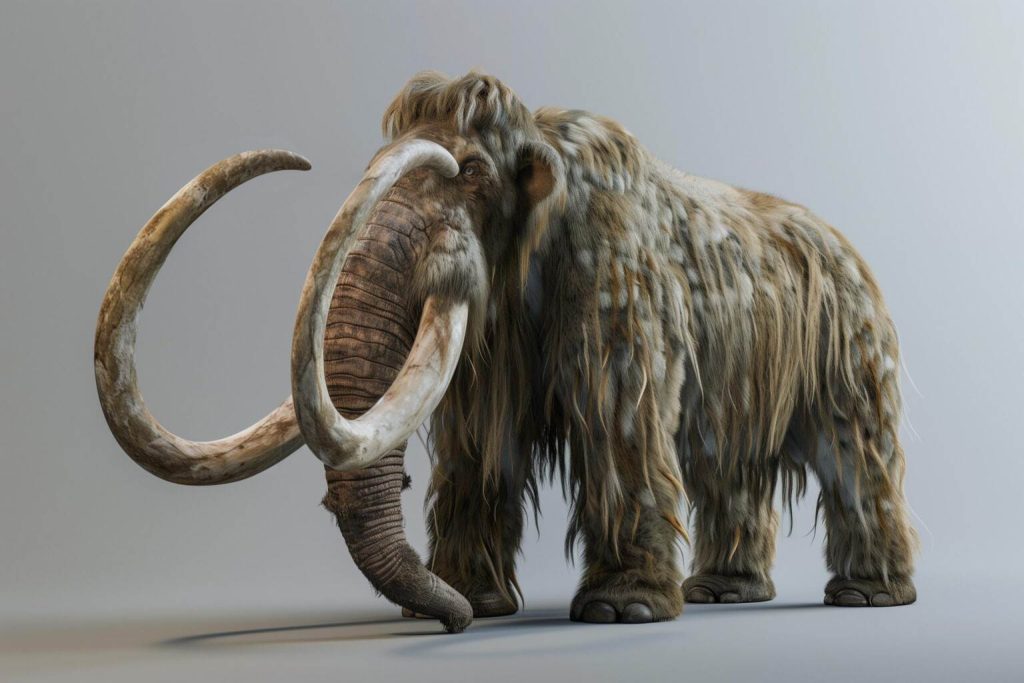
The quest to understand extinct species and potentially bring them back to life has taken a significant leap forward with the successful mapping of the woolly mammoth’s genome and its three-dimensional chromosomal organization. Utilizing a rare, exceptionally preserved specimen discovered in Siberia, researchers have unveiled detailed genetic information that goes beyond sequence data to include the spatial arrangement of chromosomes within cells. This pioneering work not only enriches our knowledge of mammoth biology but also provides critical tools for future de-extinction efforts.
For decades, ancient DNA research has been constrained by the fragmented and degraded nature of genetic material recovered from fossils. Typically, ancient DNA exists as tiny, scrambled pieces, which complicates efforts to reconstruct full genomes or understand the functional organization of genes within extinct organisms.
The recent study, published in the journal Cell, marks the first time scientists have successfully assembled both the genome and the three-dimensional chromosomal structure of an ancient organism, specifically a woolly mammoth that lived approximately 52,000 years ago. This achievement was made possible by the exceptional preservation of the specimen, which underwent a natural freeze-drying process shortly after death. This process preserved the DNA in a glass-like, dehydrated state, maintaining the nuclear architecture intact over tens of thousands of years.
This extraordinary preservation enabled researchers to analyze chromosomes that are roughly a million times longer than typical ancient DNA fragments, providing a comprehensive and detailed view of the mammoth’s genetic architecture that far surpasses previous ancient DNA studies.
The research team employed a cutting-edge technique called Hi-C, which detects physical interactions between different regions of DNA within the nucleus. This method reveals how chromosomes fold and which genes are spatially close to each other, offering insights into the genome’s three-dimensional organization. Hi-C has been instrumental in mapping the human genome’s 3D structure and was adapted here to analyze the ancient mammoth DNA.
By combining Hi-C data with DNA sequencing and using modern elephant genomes as references, the scientists reconstructed an ordered and detailed map of the mammoth’s genome. They confirmed that woolly mammoths had 28 chromosomes, the same number found in today’s Asian and African elephants, highlighting evolutionary continuity.
Beyond chromosome count, the analysis revealed intricate nanoscale loops within chromosomes that facilitate gene regulation by bringing transcription factors into contact with specific genes. This level of structural detail—down to the loops that control gene expression—is unprecedented in ancient DNA studies and sheds light on the functional genome organization of extinct species.
The 3D genome mapping allowed researchers to infer which genes were active or inactive in the mammoth’s skin cells, providing a rare glimpse into the animal’s gene expression patterns. These patterns differed notably from those of the Asian elephant, the mammoth’s closest living relative, indicating unique regulatory adaptations.
Notably, genes associated with traits such as woolly hair and cold tolerance showed distinct activation profiles, shedding light on the genetic basis of the mammoth’s adaptation to harsh Ice Age environments. This epigenetic information, derived from the spatial organization of chromosomes, provides a functional context that pure DNA sequences alone cannot offer.
Understanding these gene activation patterns helps clarify how extinct species like the woolly mammoth survived in extreme climates and offers clues about the evolutionary mechanisms underlying their distinctive traits.
This study represents a paradigm shift in ancient DNA research, providing a new type of data that includes cell-specific gene activity in extinct species. Such information is invaluable for de-extinction efforts, where understanding gene function and regulation is critical for recreating viable organisms that closely resemble their ancient counterparts.
While the method relies on exceptionally preserved samples, the researchers are optimistic about applying it to other ancient specimens, including Egyptian mummies and museum collections. This could significantly broaden the scope of genomic archaeology, enabling scientists to explore the genetic and epigenetic landscapes of a wide range of extinct and historical organisms.
For woolly mammoths specifically, further research into the epigenetic patterns of other tissue types could deepen insights into their biology and improve strategies for genetic engineering aimed at de-extinction. However, ethical and ecological considerations remain central to discussions about reviving extinct species, emphasizing the need for careful deliberation alongside scientific advances.
The successful mapping of the woolly mammoth’s genome and its three-dimensional chromosomal architecture marks a transformative moment in paleogenomics. By moving beyond fragmented DNA sequences to understand the spatial and functional genome organization, scientists have unlocked new dimensions of knowledge about extinct species. This advancement enriches our understanding of mammoth biology and evolution and provides a powerful framework for future de-extinction endeavors. While challenges remain, including the rarity of such well-preserved specimens and ongoing ethical considerations, this study sets a promising precedent for exploring the genetic secrets of the past and potentially shaping the future of biodiversity restoration.
Originally reported by scitechdaily.com. Adapted for our readers with AI assistance.
Keep reading
AI Trends & News
Microsoft opens Surface Laptop Ultra pre-orders from US$2,599.99. Explore its launch date, NVIDIA RTX Spark features and implications for Nigerian businesses.
Science & Technology
DJI’s IBC recognition puts pocket gimbal and panoramic capture in the spotlight. Here is how creators can assess framing, editing effort and recording workflows.
Business News
App store steering is about more than permission to add a link. Explore fees, renewal terms, customer experience and the UK consultation.
TAMFIS NIG LTD
Electrical and instrumentation engineering, bid preparation and consulting, IT and software.

