Tesla patented self-cleaning tech for its robotaxis that don’t exist yet
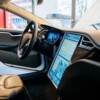
As Tesla accelerates toward releasing its much-anticipated robotaxi service, the company is already tackling one of the most pressing challenges of shared autonomous vehicles: maintaining cleanliness and hygiene between passengers. While Tesla’s Full Self-Driving (FSD) technology is still evolving, the electric carmaker has patented a comprehensive self-cleaning system designed to automatically sanitize the interiors of its future robotaxis. This technology aims to ensure a safe, pleasant, and sanitary environment for riders without relying on human cleaning efforts. In this article, we explore Tesla’s patented self-cleaning tech, its working principles, potential benefits, and challenges, shedding light on how Tesla plans to redefine ride-sharing hygiene in the autonomous era.
The Need for Self-Cleaning Technology in Robotaxis
Shared autonomous vehicles like robotaxis present unique hygiene challenges due to frequent passenger turnover. Unlike private cars, robotaxis will serve multiple riders daily, increasing the risk of dirt, germs, and pathogens accumulating inside the cabin. Traditional cleaning methods, which depend on human labor, can be time-consuming, inconsistent, and difficult to verify for thoroughness.
Tesla recognizes that maintaining a sanitized environment is essential to building trust among passengers, especially in the wake of heightened public awareness around health and cleanliness. Manual cleaning between rides may also reduce operational efficiency and increase costs, making automated sanitation a practical necessity for scalable robotaxi operations.
By developing self-cleaning technology, Tesla aims to automate the sanitation process, ensuring that each passenger enters a clean, disinfected vehicle. This innovation could significantly lower the environmental footprint by encouraging shared mobility while maintaining high hygiene standards, a key factor for widespread adoption.
Overview of Tesla’s Self-Cleaning Patent
Tesla’s patent, filed in early 2023 and recently uncovered by tech patent researchers, details a sophisticated system designed to monitor and control environmental conditions within the enclosed space of a vehicle. The patent describes using a combination of sensors and cleaning mechanisms to detect contamination and automatically initiate sanitation cycles.
The system integrates various sensor types, including image, thermal, acoustic, pressure, radio frequency, gas, and capacitive sensors. These sensors work collaboratively to assess dirt levels, microbial presence, air quality, and other environmental factors inside the robotaxi to determine when cleaning is necessary.
Once contamination is detected, the vehicle can employ multiple cleaning methods such as UV light sterilization, heating the interior to temperatures around 132 degrees Fahrenheit for extended periods, and potentially deploying disinfectant sprays or other sanitizing agents. The patent also explores mechanical solutions like repositioning seats to expose hard-to-reach areas for thorough cleaning.
Advanced Sensor Suite for Real-Time Environmental Monitoring
Central to Tesla's self-cleaning system is a comprehensive sensor network designed to continuously monitor the cabin environment. Image sensors can visually detect dirt or debris, while thermal sensors identify temperature anomalies that might indicate bacterial or viral presence. Acoustic and pressure sensors can detect unusual sounds or disturbances, potentially signaling contamination or damage.
Gas sensors play a crucial role in detecting airborne pollutants, odors, and volatile organic compounds (VOCs) that could compromise air quality. Capacitive sensors may measure moisture levels or detect residues on surfaces, which are critical in determining sanitation needs. This multi-modal sensing approach enables precise assessment of cleanliness without human intervention.
By combining data from these sensors, the system can create a detailed environmental profile, triggering cleaning protocols only when necessary. This efficiency minimizes energy consumption and wear on cleaning components, optimizing operational costs while ensuring passenger safety.
Innovative Cleaning Techniques Employed by Tesla
Tesla’s patented system proposes several innovative cleaning methods tailored for autonomous vehicles. One notable technique involves using ultraviolet (UV) light to sterilize surfaces and the cabin air, effectively neutralizing bacteria and viruses without chemical residues. UV sterilization is a proven technology in healthcare and public transportation settings.
Another method includes heating the vehicle’s interior to approximately 132 degrees Fahrenheit for up to 30 minutes. This thermal treatment can deactivate many pathogens, including certain coronaviruses, providing an additional layer of disinfection. Tesla’s system may combine heating with airflow management to ensure comprehensive coverage.
Mechanical cleaning is also addressed through seat repositioning, allowing cleaning tools to access hidden crevices and under-seat areas. In some scenarios, the robotaxi could autonomously drive to specialized cleaning stations equipped with external robotic systems for precision cleaning, augmenting in-vehicle sanitation.
Potential Benefits of Tesla’s Self-Cleaning Robotaxis
Automated self-cleaning technology promises to enhance passenger confidence by delivering consistently sanitized interiors, crucial for public acceptance of robotaxis. This is especially important during and after global health crises, where hygiene is a paramount concern for riders sharing vehicles with strangers.
By reducing dependence on human labor for cleaning, Tesla’s system could lower operational costs and turnaround times between rides, improving the efficiency and profitability of autonomous ride-sharing fleets. Faster cleaning cycles mean more rides per day, benefiting both operators and customers.
Environmentally, automated cleaning reduces the use of chemical disinfectants and disposable cleaning materials, aligning with Tesla’s sustainability ethos. Additionally, shared robotaxis with effective sanitation can encourage reduced private car ownership, mitigating traffic congestion and lowering emissions.
Challenges and Considerations for Implementation
While promising, Tesla’s self-cleaning technology faces several challenges before widespread deployment. The complexity of integrating multiple sensors and cleaning systems into a compact vehicle interior requires careful engineering to avoid adding excessive weight or compromising passenger comfort.
Ensuring that sensors accurately detect contaminants without false positives or negatives is critical to avoid unnecessary cleaning cycles or missed sanitation opportunities. Robust software algorithms and machine learning models will be essential to interpret sensor data reliably in diverse real-world conditions.
Safety concerns also arise, as cleaning processes involving UV light or heating must be carefully controlled to prevent exposure to passengers. The system must reliably detect occupant presence to avoid accidental activation while people are inside, preventing discomfort or injury.
The Road Ahead: Tesla’s Robotaxis and Hygiene Innovation
Tesla CEO Elon Musk has hinted at unveiling the company’s robotaxi as early as August 2024, but the timeline for commercial deployment remains uncertain. The self-cleaning technology represents a forward-thinking approach to solving practical challenges of shared autonomous mobility before robotaxis even hit the streets.
The patent reflects Tesla’s broader strategy of leveraging cutting-edge technology to differentiate its autonomous vehicle offerings. If successfully implemented, self-cleaning robotaxis could set new industry standards for hygiene and passenger experience, boosting consumer trust in autonomous ride-sharing.
However, the success of Tesla’s robotaxi service will depend on numerous factors beyond cleaning technology, including regulatory approval, full self-driving capability maturity, and public acceptance. Until then, Tesla’s patented self-cleaning system remains a glimpse into the future of autonomous vehicle hygiene.
Implications for the Future of Autonomous Ride-Sharing
Tesla’s self-cleaning robotaxi technology could inspire other automakers and mobility providers to prioritize hygiene automation in their autonomous fleets. As shared mobility grows, integrating sanitation systems will likely become a standard feature to meet evolving consumer expectations.
Beyond robotaxis, similar self-cleaning concepts could be adapted for other public transportation modes, such as buses and shuttles, enhancing overall urban mobility hygiene. This could lead to healthier shared transportation ecosystems, reducing transmission of illnesses in densely populated environments.
Moreover, the fusion of sensor technology, automation, and AI-driven environmental control within vehicles marks a significant step toward fully autonomous, self-sustaining transportation systems. Tesla’s innovations may pave the way for smarter, safer, and cleaner mobility solutions in the coming decades.
Conclusion
Tesla’s patented self-cleaning technology exemplifies the company’s visionary approach to solving the practical and hygienic challenges posed by shared autonomous vehicles. By integrating advanced sensors and innovative cleaning methods, Tesla aims to create robotaxis that autonomously maintain a sanitized interior, enhancing passenger safety and confidence. While significant technical and regulatory hurdles remain, this technology underscores the importance of hygiene in the future of autonomous ride-sharing. As Tesla moves closer to unveiling its robotaxi, the self-cleaning system may become a critical differentiator, setting new benchmarks for cleanliness and operational efficiency in the evolving mobility landscape.
Originally reported by popsci.com. Adapted for our readers.
Recent advances in machine perfusion technology are not only preserving donated livers but also making them biologically younger at a molecular level. This breakthrough…
What happens when human imagination, artificial intelligence, art and technology come together? From September 1 to 6, Samsung Electronics presented a special exhibition themed…