I’m from Costa Rica: Here’s what we eat every day for a long, healthy life—it’s our ‘secret to longevity’
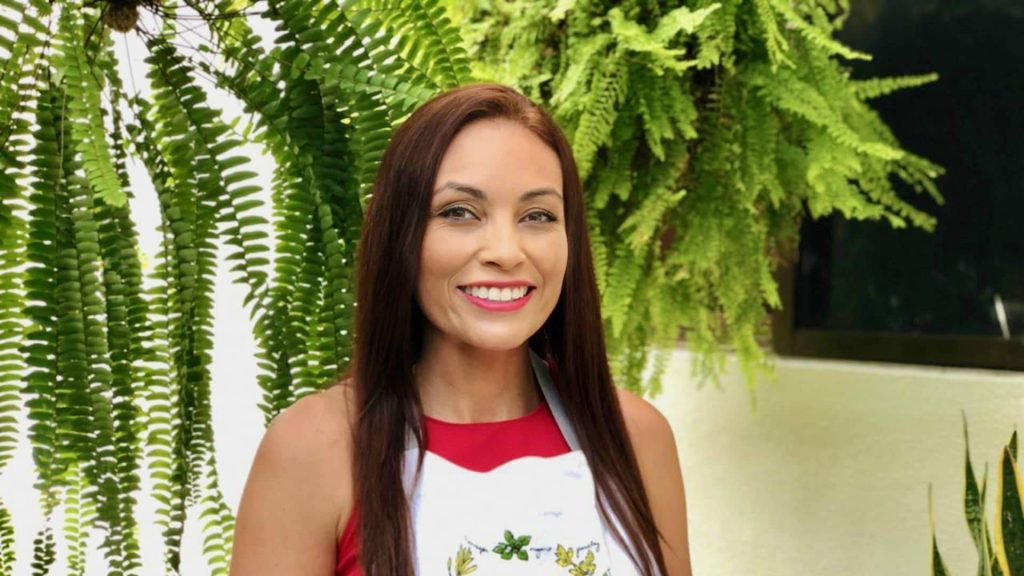
Every purchasing decision is, at its core, a bet on future wellbeing. For shoppers and business consumers watching the global shift towards preventive health, Costa Rica offers a compelling case study. The Central American nation is home to one of the world's official Blue Zones, regions where people live measurably longer and healthier lives than the global average. Melissa Guzman, a cookbook author and cooking teacher from Llano Grande in the agricultural Cartago region, argues that the local diet and the "pura vida" lifestyle are the real secrets to that longevity. Her perspective is practical rather than preachy: Costa Ricans eat simply, buy fresh, cook together and treat meals as social events. Lunches and dinners regularly last an hour or more, becoming a daily checkpoint for family conversation. That blend of nutrition, community and mindfulness is something any shopper, retailer or food-service buyer can learn from, whether they are sourcing ingredients in Lagos, London or San José.
The Blue Zone Food Philosophy: Simple, Fresh and Shared
Guzman's description of Costa Rican cuisine can be summed up in two words: simple and fresh. The diet is built on staples that are easy to find, inexpensive to buy and straightforward to prepare: fresh vegetables, fruits, grains and beans. There is little reliance on processed goods, frozen substitutes or canned produce. Instead, families typically visit local markets known as greengrocers to pick up what is in season.
The social component matters as much as the nutritional one. Guzman grew up helping her family prepare meals and harvest ingredients. Mealtimes were deliberately slow, lasting at least an hour, and were used to talk through the day. That mindful, collective approach to food is central to the culture. For shoppers and business consumers, the takeaway is that value is not only measured by price per kilogram or convenience, but also by the quality of the eating experience and the strength of the habits a product supports.
The Daily Staples on a Longevity Shopping List
Beans are the backbone of the Costa Rican diet. They provide protein, fibre, complex carbohydrates, prebiotics, vitamins and minerals, and have been linked to a lower risk of chronic conditions such as heart disease and diabetes. Black and red beans are the most common, usually appearing in casado, the traditional plate of rice, beans, vegetables and protein, or in bean-and-vegetable soups. Chickpeas and lentils are also widely eaten and can stand in for the traditional black beans.
Fresh fruit and vegetables are eaten daily and almost always in their natural state rather than from cans or freezers. Common fruits include papaya, mango, banana, watermelon, pineapple and passion fruit, consumed on their own or blended into drinks and juices. Vegetables such as potatoes, carrots, tomatoes, avocado, onion, beets, yucca and zucchini appear raw, in lime-dressed salads, or as picadillo, a dish of chopped, boiled vegetables sometimes mixed with a small amount of animal protein for flavour. Chayote, a green, crisp Central and South American squash with a texture similar to jicama, is a particular favourite.
Rice and corn play a supporting role. Tortillas are used to scoop up picadillo in what Costa Ricans call gallos, while chicken rice, a celebratory dish of rice, chopped vegetables and chicken pieces, is also enjoyed as an everyday meal. Coffee rounds out the daily routine. Costa Rican coffee is high in antioxidants and is associated with reduced inflammation. It is typically drunk black or with a splash of milk, and sugary flavoured drinks are not part of the culture. A cup is sipped slowly, much like any other meal.
Gallo Pinto: A Breakfast Recipe for Longevity
Costa Ricans eat rice and beans two to three times a day. At breakfast, the combination becomes gallo pinto: rice and beans mixed with onion, peppers and coriander, served with corn tortillas and coffee. Dan Buettner, the longevity researcher and founder of the Blue Zones project, has called gallo pinto the healthiest breakfast in the world, thanks to its mix of whole grains, protein, amino acids and antioxidants.
Guzman's home recipe is straightforward. It uses two-thirds of a cup of cooked black beans, one and a quarter cups of cooked rice, chopped onion and pepper, minced coriander, optional salsa lizano, and seasonings of salt, cumin and pepper. The vegetables and spices are sautéed until the onion is translucent, the beans are stirred in and simmered, the sauce is added, and finally the rice is folded through to absorb the flavours. The result is inexpensive, filling and nutritionally dense, a practical option for shoppers who want to build a longevity-focused meal plan without premium-priced ingredients.
Consumer Takeaways: How to Shop Like a Blue Zone Local
For business consumers, procurement professionals and everyday shoppers, the Costa Rican model offers a clear set of purchasing principles. First, prioritise whole ingredients over packaged convenience. Beans, rice, fresh vegetables and fruit form the base of the diet and are widely available at low cost. Second, buy seasonally and locally where possible. Greengrocer-style sourcing reduces dependence on long supply chains, improves freshness and often lowers cost per serving.
Third, treat protein as a supporting actor rather than the main event. Beans, chickpeas and lentils deliver protein and fibre at a fraction of the cost of meat, and they fit easily into batch-cooked meals. Fourth, reconsider the beverage aisle. Costa Rica's coffee culture avoids sugary drinks and keeps preparation simple, which supports both health outcomes and household budgets. Finally, build rituals around food. The slow, shared meal is part of the longevity equation, which means the kitchen is as much an investment in mental health as it is in physical nutrition.
What this means
Costa Rica's longevity secret is not a single superfood or an expensive wellness trend. It is a shopping and eating pattern built on affordable staples, fresh local produce, communal cooking and patience at the table. For health-conscious consumers and business buyers alike, the message is reassuringly practical: a well-stocked pantry of beans, rice, vegetables and whole foods, combined with a culture of mindful eating, can deliver better long-term outcomes than the latest premium product. In a market where shoppers are increasingly focused on value, transparency and wellbeing, that is a recipe worth importing.
Originally reported by cnbc.com. Adapted for our readers with AI assistance.
Obi says his wife funds her own purchases. This analysis separates his explanation, unverified handbag prices and the evidence needed to assess public spending.
Omotola’s podcast remarks raise practical questions about income, reputation and values. Here is how professionals can assess offers without inventing claims about missed earnings.