Rocket Lab offers ‘heartbroken’ students tour after Nasa trip abruptly cancelled
For many young aspiring scientists and space enthusiasts in New Zealand, the opportunity to attend a NASA space camp in Houston represented a dream come true—a chance to immerse themselves in cutting-edge space technology and ignite lifelong passions. However, the abrupt cancellation of this trip by the organising company left more than a dozen students and their families devastated. In a remarkable gesture, Auckland-based Rocket Lab has stepped forward to offer a unique and inspiring experience by opening its doors for exclusive tours of its rocket factory and mission control centre. This article delves into the details of this unexpected opportunity, the events leading to the cancellation, and the community’s response to this setback.
The Cancellation of the NASA Space Camp Trip
The much-anticipated NASA space camp trip, organised by Actura for students from 25 New Zealand schools, came to an unexpected halt just weeks before departure. The two-week CASE Space School Program in Houston, Texas, was designed to provide students with immersive experiences at NASA headquarters, with fees reportedly reaching up to $13,000 per child.
Parents and students had been preparing for the trip for nearly a year, making payments and participating in pre-trip briefings. However, an abrupt email notification revealed that Actura was entering liquidation, effectively cancelling the trip. The timing and suddenness of the announcement left families shocked and searching for answers.
Communication from Actura ceased following the cancellation notice, leaving parents with no clear explanation and no recourse. Many felt left in the dark, questioning the legitimacy of the company despite its prior history organising similar camps in Australia and New Zealand.
Emotional Impact on Students and Families
The cancellation deeply affected the students who had invested time, energy, and hope into this unique opportunity. For many, including Mike Renata’s daughter, an intermediate school student, the trip was a chance to explore a lifelong passion for space and science. The sudden loss was more than logistical—it was an emotional blow.
Families had also contributed significant fundraising efforts to support the trip, involving community events and financial sacrifices. The disappointment was compounded by the lack of communication, leaving parents feeling frustrated and helpless as their children’s dreams were dashed without warning.
Students expressed heartbreak and confusion, with many having eagerly anticipated the hands-on experiences and exposure to NASA’s cutting-edge technology. The incident highlighted the vulnerability of such educational ventures when reliant on private organisers without robust contingency plans.
Rocket Lab’s Inspiring Response
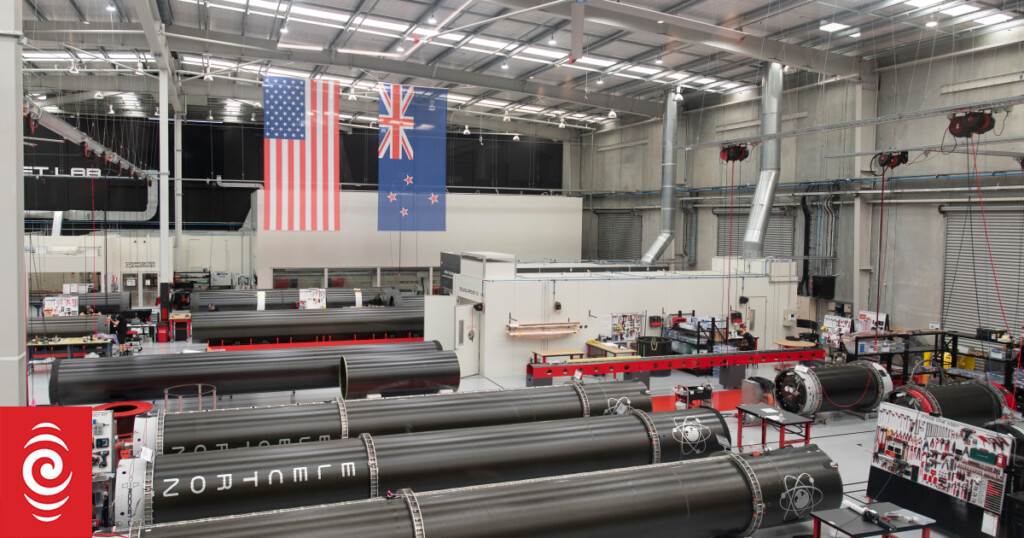
Recognising the void left by the cancelled trip, Rocket Lab, a leading private aerospace company based in Auckland, stepped up to offer an alternative experience for the affected students. The company invited the students to tour its Mount Wellington rocket factory and mission control centre, providing a behind-the-scenes look at New Zealand’s own space industry.
With approximately 500 rocket scientists and engineers working on about a dozen rockets at any given time, Rocket Lab’s facility offers an authentic and inspiring environment for students passionate about space. Spokesperson Morgan Connaughton emphasised that while the facility may not be NASA, it offers a unique, homegrown perspective on space exploration.
Rocket Lab also expressed a desire to support students beyond Auckland, exploring partnerships to facilitate visits from other regions. Although the company’s current focus remains on launching rockets and building spacecraft, the initiative reflects its commitment to nurturing the next generation of space professionals.
Exploring Rocket Lab’s Role in New Zealand’s Space Industry
Rocket Lab has become a pivotal player in New Zealand’s burgeoning space industry, blending innovation with practical applications. Its Auckland facility not only develops orbital rockets but also operates a mission control centre, showcasing the country’s capability to contribute significantly to global space efforts.
The company’s success story includes launching numerous satellites and spacecraft, positioning New Zealand as a notable contender in the international aerospace arena. This dynamic environment offers students an invaluable glimpse into real-world space technology and operations.
By opening its doors to students, Rocket Lab is fostering educational opportunities that align closely with its core mission. This initiative helps demystify space technology for young learners and encourages STEM education, vital for sustaining future growth in the industry.
Community Support and Broader Outreach
The cancellation of the NASA trip galvanized the New Zealand community, with various organisations and individuals reaching out to support the students. Rocket Lab’s offer was part of a larger movement to provide alternative educational experiences and emotional support to those affected.
Local schools, science educators, and space enthusiasts have collaborated to organise workshops, talks, and smaller-scale space-themed events, ensuring that students maintain their enthusiasm for space exploration despite the setback.
This collective response highlights the strong community spirit and commitment to STEM education in New Zealand. It also underscores the importance of reliable and transparent planning in organising such significant educational trips.
The Importance of Reliable Educational Space Programs
The experience with Actura’s liquidation reveals risks inherent in relying on third-party companies for high-cost educational trips. Transparency, financial stability, and clear communication are essential to protect families and students from unexpected disruptions.
Educational space programs are invaluable for inspiring students and fostering skills in science, technology, engineering, and mathematics (STEM). Therefore, ensuring these programs’ stability and accessibility is critical for nurturing future generations of innovators.
Rocket Lab’s proactive approach offers a model for how industry leaders can play a role in supplementing and supporting educational initiatives, providing direct engagement opportunities that may be more resilient and sustainable.
Looking Ahead: Future Opportunities for Space Education in New Zealand
The incident has sparked conversations about developing local space education programs and camps that can offer immersive experiences without the risks of overseas travel and third-party organisers. Rocket Lab has expressed interest in potentially running its own space camps in the future, although current operational demands are high.
There is growing momentum for partnerships between industry, government, and educational institutions to create robust programs that inspire and equip young Kiwis for careers in space science and technology.
By leveraging New Zealand’s unique position in the space sector and companies like Rocket Lab, the country can build a sustainable ecosystem for space education that supports students’ aspirations and contributes to national innovation goals.
Conclusion
The sudden cancellation of the NASA space camp trip was a significant disappointment for many young New Zealanders, shattering dreams and causing emotional distress. Yet, Rocket Lab’s generous offer to open its doors has provided a silver lining, inspiring students with an inside look at their nation’s vibrant space industry. This incident underscores the importance of dependable educational programming and the powerful role that industry players can have in nurturing the next generation of space explorers. With growing momentum towards local space education initiatives, New Zealand is well-positioned to foster a thriving community of future aerospace innovators.
Recent advances in machine perfusion technology are not only preserving donated livers but also making them biologically younger at a molecular level. This breakthrough…
What happens when human imagination, artificial intelligence, art and technology come together? From September 1 to 6, Samsung Electronics presented a special exhibition themed…