
AI Trends & News
Surface Laptop Ultra Pre-orders Open: Price, Release Date and AI Features
Microsoft opens Surface Laptop Ultra pre-orders from US$2,599.99. Explore its launch date, NVIDIA RTX Spark features and implications for Nigerian businesses.
TAMFIS NIG LTDRC 8067447CAC ACTIVEFinima, Bonny Island, Rivers State

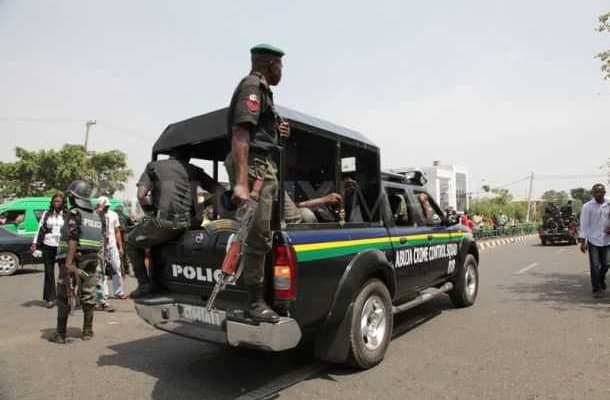
The discourse on improving Nigeria's security apparatus has gained significant traction in recent months, with the concept of state police emerging as a critical solution to the escalating security challenges. Governor Abdullahi Sule of Nasarawa State has weighed in on this matter, emphasizing the necessity for a comprehensive review of the existing revenue allocation system once state police becomes operational. This article delves into Governor Sule's insights, the implications of adopting state police, and the anticipated changes to Nigeria's fiscal framework to support enhanced security measures.
In recent weeks, the conversation around establishing state police in Nigeria has intensified, driven by concerns over rising insecurity, including kidnapping, banditry, and other forms of violent crime. Various socio-political groups such as Afenifere and Ohanaeze Ndigbo have publicly endorsed the idea, highlighting the potential of state police to address localized security threats more effectively than the current centralized system.
Currently, several states have formed their own security outfits, including the Civilian Joint Task Force in Borno, Amotekun in the South-West, and Ebube Agu in the South-East. These groups have demonstrated some success in combating crime but face limitations due to lack of formal recognition, insufficient funding, and restrictions on weaponry, impeding their effectiveness against heavily armed insurgents.
The push for state police seeks to provide constitutional backing and adequate resources to these forces, enabling them to operate with greater authority and efficiency. This development reflects a growing consensus among state governors and federal authorities to decentralize security responsibilities to better tailor responses to regional challenges.
Governor Abdullahi Sule of Nasarawa State has been vocal about the connection between the introduction of state police and the need to revisit Nigeria’s revenue allocation framework. He argues that the current formula, which allocates 52.68% of federal revenue to the central government, 26.72% to states, and 20.60% to local governments, may not sustain the financial demands of state police.
Drawing from his experience studying in the United States, where state universities maintain their own police forces, Sule advocates for a similar model in Nigeria that allows states to manage their security more autonomously. He emphasizes that the successful implementation of state police hinges on adequate funding, which he believes will necessitate an upward review of state allocations.
Governor Sule also notes that alongside the establishment of state police, there remains a need to sustain federal security agencies. Therefore, any reallocation must balance empowering states without undermining the federal government's capacity to address national security concerns.
Nigeria’s present revenue allocation system is managed by the Revenue Mobilisation Allocation and Fiscal Commission (RMAFC) and disbursed by the Federation Account Allocation Committee (FAAC). While this system aims to distribute resources equitably among the federal, state, and local governments, it faces criticism for inefficiencies and inadequacies in meeting the rising fiscal needs of states.
States often grapple with insufficient funds to meet their developmental and security obligations, a situation exacerbated by the growing demand for enhanced security measures such as state police. The existing revenue shares may be inadequate to support the establishment, training, and equipping of state police forces.
Moreover, states’ over-reliance on federally allocated funds limits their financial autonomy. This dependency poses a significant challenge in the context of state police, which requires consistent and substantial funding to maintain operational effectiveness and independence.
Nigeria has witnessed a surge in security challenges, including armed banditry, kidnapping, and insurgency, which have overwhelmed the capacity of the federal police. This has intensified calls for a decentralized policing system that allows states to tailor security responses to their unique challenges.
State police, with constitutional backing and adequate resources, are seen as a viable solution to these challenges. They can operate within local contexts, enabling quicker response times and better intelligence gathering, which are critical for effective crime prevention and control.
The existing state-led security outfits, although impactful, lack formal recognition and resources, limiting their scope. State police would provide these groups with the necessary legal authority and funding to operate more effectively, potentially reducing the burden on federal security agencies.
Nasarawa State, under Governor Sule’s leadership, is currently engaging in extensive consultations with stakeholders regarding the adoption of state police. The state has not yet submitted its memorandum to the National Economic Council (NEC), reflecting a cautious and inclusive approach to decision-making.
Governor Sule has clarified that Nasarawa is neither opposed to nor fully supportive of state police at this stage. Instead, the state is prioritizing dialogue to understand the implications and ensure that any adopted framework aligns with the interests of its citizens and security needs.
This consultative process underscores the complexity of implementing state police across Nigeria, where diverse political, social, and economic factors must be carefully balanced to achieve sustainable and effective security reforms.
The agreement between President Bola Tinubu and the 36 state governors to pursue the establishment of state police marks a significant milestone in Nigeria’s security reform agenda. This collaboration reflects a shared recognition of the limitations of the current policing system and the need for innovative solutions.
In mid-February, 16 governors formally expressed their support for state police and constitutional amendments to facilitate its implementation. The remaining governors are expected to submit their positions, indicating broad-based political will to advance this initiative.
Effective collaboration between federal and state governments will be essential to address challenges such as funding, training, oversight, and integration of state police within the broader national security architecture.
The establishment of state police could significantly transform Nigeria’s security landscape by enhancing localized law enforcement capabilities. This decentralization may lead to more responsive and culturally attuned policing, improving public trust and cooperation.
However, the transition also poses risks, including potential misuse of police powers for political purposes and challenges in maintaining uniform standards across states. Robust legal frameworks and oversight mechanisms will be critical to mitigate these risks.
Financial implications are equally significant. States will need increased allocations or alternative revenue sources to sustain state police forces, underscoring Governor Sule’s call for a reassessment of the revenue allocation system to ensure fiscal viability.
The prospect of establishing state police in Nigeria represents a pivotal shift in the nation’s approach to security management. Governor Abdullahi Sule’s insights highlight the intricate link between security reforms and fiscal policies, particularly the urgent need to revisit the revenue allocation system to support state police financially. As Nigeria navigates this transformative journey, inclusive stakeholder engagement, intergovernmental collaboration, and comprehensive legal frameworks will be indispensable to realizing the full potential of state police in enhancing the country’s security and stability.
Originally reported by africanexaminer.com. Adapted for our readers.
Keep reading
AI Trends & News
Microsoft opens Surface Laptop Ultra pre-orders from US$2,599.99. Explore its launch date, NVIDIA RTX Spark features and implications for Nigerian businesses.
Science & Technology
DJI’s IBC recognition puts pocket gimbal and panoramic capture in the spotlight. Here is how creators can assess framing, editing effort and recording workflows.
Business News
App store steering is about more than permission to add a link. Explore fees, renewal terms, customer experience and the UK consultation.
TAMFIS NIG LTD
Electrical and instrumentation engineering, bid preparation and consulting, IT and software.

