
AI Trends & News
Surface Laptop Ultra Pre-orders Open: Price, Release Date and AI Features
Microsoft opens Surface Laptop Ultra pre-orders from US$2,599.99. Explore its launch date, NVIDIA RTX Spark features and implications for Nigerian businesses.
TAMFIS NIG LTDRC 8067447CAC ACTIVEFinima, Bonny Island, Rivers State

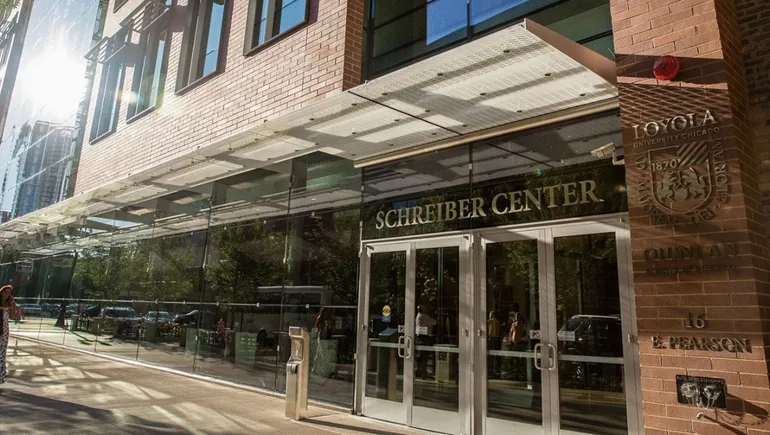
In the quest to reduce carbon footprints and energy expenses, Loyola University Chicago’s Quinlan College of Business has pioneered the deployment of an artificial intelligence-driven HVAC system at its Schreiber Center, a 150,000-square-foot mixed-use building. By integrating BrainBox AI’s autonomous HVAC optimization technology with WattTime’s marginal emissions data, the university has successfully cut HVAC-related energy charges and carbon dioxide emissions by a consistent 10% annually. This initiative is part of a yearlong proof-of-concept project aimed at advancing sustainability in the built environment while demonstrating how AI can strategically align energy consumption with renewable energy availability on the grid.
Buildings account for a significant portion of global energy consumption and carbon emissions, with HVAC systems being among the largest contributors. Traditional HVAC controls often operate on fixed schedules or reactive temperature settings, leading to inefficient energy usage and higher emissions. As universities and commercial institutions face increasing pressures to meet sustainability goals, innovative solutions are critical to optimize building operations without compromising occupant comfort.
Loyola University Chicago’s Schreiber Center, a ten-story mixed-use building, exemplifies the complexity of managing HVAC systems in large, multi-purpose facilities. The building’s energy demands fluctuate throughout the day, influenced by occupancy, weather, and operational schedules. Conventional HVAC management often fails to capitalize on opportunities to reduce energy use during periods of low demand or when cleaner energy sources are available.
Recognizing these challenges, Loyola University partnered with BrainBox AI and WattTime to explore how artificial intelligence and real-time grid emissions data could revolutionize HVAC operations. The goal was to develop a system that not only lowers energy consumption and costs but also minimizes environmental impact by syncing energy use with periods of renewable energy availability.
BrainBox AI’s technology leverages machine learning algorithms to autonomously control HVAC systems. Unlike traditional control methods, this system continuously analyzes real-time data from building sensors, weather forecasts, and occupancy patterns to predict and adjust HVAC operations proactively. This predictive control enables the system to optimize temperature settings and airflow dynamically, reducing unnecessary energy use while maintaining occupant comfort.
The AI system integrates seamlessly with existing HVAC infrastructure, reducing the need for costly retrofits. It learns the unique thermal characteristics of the building over time, improving its predictive accuracy and energy-saving performance. This autonomy and adaptability make it scalable for various building types and sizes, promising broad applicability across the commercial real estate sector.
By continuously monitoring and adjusting HVAC operations, BrainBox AI’s system reduces energy waste caused by overcooling, overheating, or inefficient equipment cycling. This approach not only lowers utility bills but also extends the lifespan of HVAC equipment by reducing operational stress.
WattTime is an environmental nonprofit specializing in real-time marginal emissions data, which measures the carbon intensity of electricity generation on the grid at any given moment. This data reveals when electricity is produced predominantly from renewable sources versus fossil fuels, enabling smarter energy consumption decisions.
By integrating WattTime’s marginal emissions signals into BrainBox AI’s HVAC control algorithms, Loyola University’s system can strategically shift energy use to periods when the grid is cleaner. For example, the system may pre-cool or pre-heat the building when renewable energy generation is high but underutilized due to grid congestion or curtailment events, thereby minimizing carbon emissions associated with HVAC operation.
This dynamic approach to energy management not only reduces the building’s carbon footprint but also supports grid stability and the efficient use of renewable resources. It addresses the challenge of renewable energy curtailment, where excess clean energy is wasted due to transmission constraints or demand fluctuations.
The yearlong proof-of-concept study at Loyola University’s Schreiber Center demonstrated significant performance improvements. The AI-powered HVAC system combined with WattTime’s emissions data consistently achieved a 10% reduction in HVAC-associated energy costs and carbon dioxide emissions annually. This represents a meaningful step forward in decarbonizing building operations.
Moreover, during specific grid events characterized by renewable energy curtailment, the system achieved an even higher reduction of 15% in carbon emissions by capitalizing on periods of low marginal emissions. This capability highlights the system’s responsiveness to real-time grid conditions and its potential to contribute to broader decarbonization efforts.
The study employed a randomized controlled trial comparing traditional HVAC controls, BrainBox AI’s autonomous optimization, and the combined AI and emissions reduction algorithm. Results confirmed that the integration of AI with marginal emissions data yields superior environmental and economic outcomes compared to conventional methods.
One of the most promising aspects of the BrainBox AI solution is its scalability and relatively low upfront costs. Because the system integrates with existing HVAC infrastructure without requiring major hardware replacements, it offers an attractive option for institutions looking to improve sustainability without large capital expenditures.
The autonomous nature of the AI reduces the need for manual adjustments and ongoing maintenance, lowering operational costs over time. Additionally, the system continuously learns and adapts, meaning energy savings can improve as the AI refines its control strategies based on changing building conditions and occupant behaviors.
This scalable approach allows for broader adoption across diverse building portfolios, from educational campuses to corporate offices and healthcare facilities. As more buildings adopt AI-driven HVAC optimization, the cumulative impact on energy consumption and emissions could be substantial.
By reducing HVAC energy use and aligning consumption with cleaner grid conditions, Loyola University’s AI-driven system contributes directly to carbon emissions mitigation. Buildings are among the largest sources of greenhouse gases, so innovations like this play a crucial role in meeting institutional and national decarbonization targets.
The ability to shift energy use toward periods of renewable energy availability helps maximize the utilization of clean energy resources, addressing inefficiencies caused by curtailment. This not only benefits the building but also supports grid operators in balancing demand and supply more effectively.
Furthermore, the approach demonstrates how technology can integrate with broader sustainability strategies, including renewable energy procurement, energy storage, and demand response programs. It sets a precedent for other institutions aiming to reduce their environmental impact through smart building technologies.
The success of the Loyola University pilot project signals a growing trend toward AI-driven building management systems that prioritize both economic and environmental outcomes. As AI technologies mature and data availability improves, these systems will become increasingly sophisticated and capable of delivering deeper energy and emissions reductions.
Industry stakeholders, including building owners, facility managers, and policymakers, are likely to see increased interest in AI-enabled HVAC solutions as part of comprehensive sustainability initiatives. Incentives and regulations may evolve to encourage deployment of such technologies, accelerating the transition toward greener buildings.
Moreover, the integration of real-time grid emissions data opens new avenues for demand-side management, enhancing grid flexibility and resilience. This synergy between AI and environmental data represents a paradigm shift in how energy is consumed and managed in the built environment.
Loyola University’s project underscores the importance of collaboration between technology providers, academic institutions, and environmental organizations. The partnership between BrainBox AI and WattTime combined advanced AI capabilities with precise emissions data, creating a powerful tool for energy optimization.
The initiative also highlights the value of data-driven decision-making in building operations. By leveraging real-time data and predictive analytics, buildings can move beyond static control strategies toward dynamic, responsive energy management.
Finally, the project demonstrates that meaningful energy and emissions reductions are achievable without sacrificing occupant comfort or requiring extensive infrastructure upgrades. This balance is critical for widespread adoption and long-term success.
Loyola University Chicago’s innovative deployment of an AI-driven HVAC management system combined with WattTime’s marginal emissions algorithm marks a significant advancement in sustainable building operations. By achieving a steady 10% reduction in energy costs and carbon emissions, the Schreiber Center demonstrates the tangible benefits of integrating artificial intelligence with real-time environmental data. This pioneering approach not only enhances operational efficiency and occupant comfort but also contributes meaningfully to decarbonization efforts and renewable energy utilization. As the building sector seeks scalable and cost-effective solutions to meet climate goals, Loyola’s success story serves as a compelling model for institutions worldwide. Continued collaboration and technological innovation will be key to unlocking the full potential of AI-powered energy management in creating greener, smarter buildings.
Originally reported by constructiondive.com. Adapted for our readers.
Keep reading
AI Trends & News
Microsoft opens Surface Laptop Ultra pre-orders from US$2,599.99. Explore its launch date, NVIDIA RTX Spark features and implications for Nigerian businesses.
Science & Technology
DJI’s IBC recognition puts pocket gimbal and panoramic capture in the spotlight. Here is how creators can assess framing, editing effort and recording workflows.
Business News
App store steering is about more than permission to add a link. Explore fees, renewal terms, customer experience and the UK consultation.
TAMFIS NIG LTD
Electrical and instrumentation engineering, bid preparation and consulting, IT and software.

