
Business
Nigeria’s Economic Performance: Domestic Debt Rise and Agriculture Trade Shift in Q2 2026
Nigeria's economic landscape in the second quarter of 2026 presents a mixed picture of fiscal press...
TAMFIS NIG LTDRC 8067447CAC ACTIVEFinima, Bonny Island, Rivers State

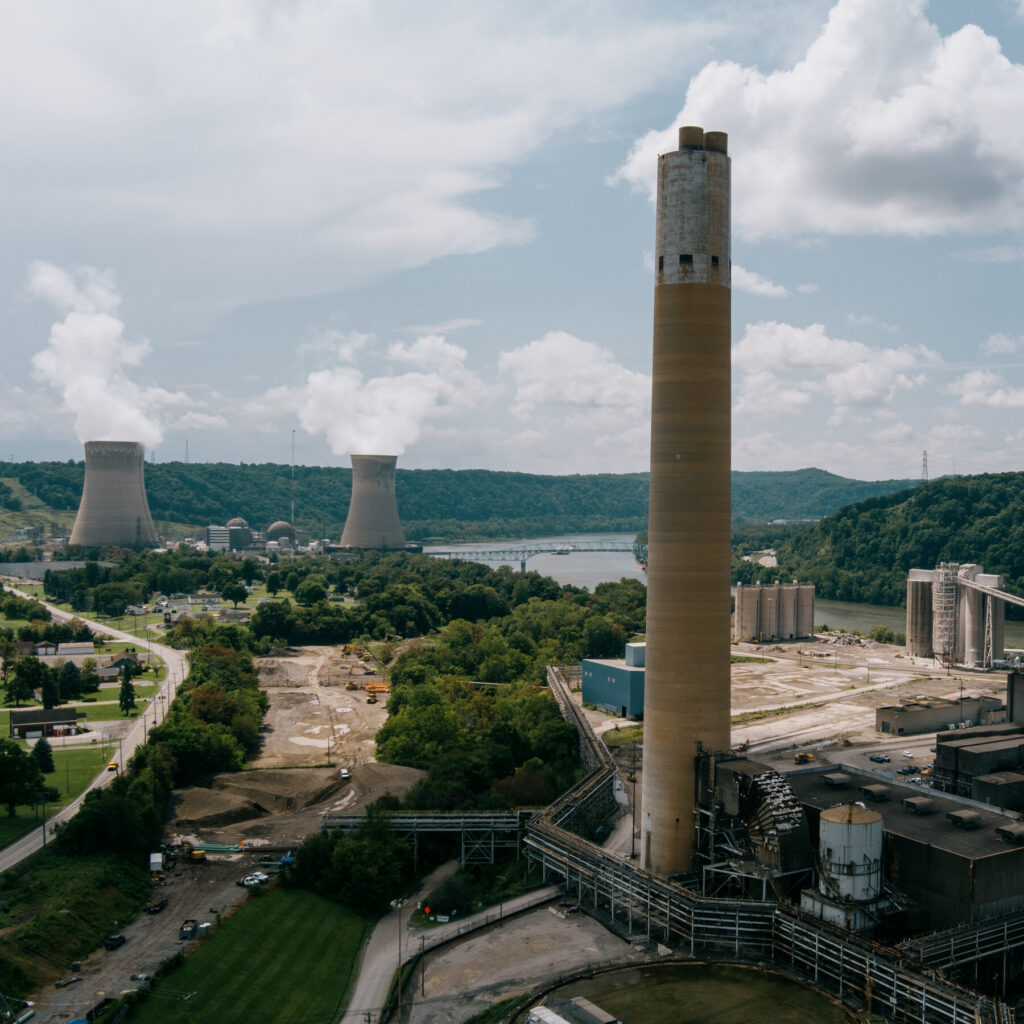
Artificial intelligence and cloud computing have ignited a rush to build enormous data centers across the United States, and Pennsylvania has emerged as one of the states caught up in the boom. The promise of multibillion-dollar construction projects and long-term investment has been especially alluring in places still trying to recover from decades of industrial decline. Yet the wave of proposals has also produced a backlash among residents and officials worried that the facilities are too big, too fast, and too disruptive for the communities asked to host them. In response, Gov. Josh Shapiro is pumping the brakes. His decision to slow the approval of massive data centers reflects a broader effort to weigh the economic benefits against the concerns of local constituents. But in a region scarred by the collapse of the steel industry, some welcome billions in construction, viewing the projects as a rare chance to rebuild a tax base and put people back to work.
Gov. Josh Shapiro’s move to slow down the development of enormous data centers marks a notable shift in tone for an administration that has otherwise sought to promote Pennsylvania as a destination for technology and advanced manufacturing. The governor’s decision comes amid a backlash over the scale and pace at which server farms have been proposed across the state. Rather than racing to approve the next wave of facilities, Shapiro is signaling that Pennsylvania needs a more deliberate approach.
By pumping the brakes, Shapiro is acknowledging that economic development cannot outrun community concerns. Data centers are physically imposing: they require large tracts of land, substantial electrical service, and dedicated infrastructure. When several are proposed at once, or when individual projects rival small towns in size, residents naturally question whether local roads, utilities, and emergency services can keep up. The governor’s recalibration suggests that those questions deserve serious answers before groundbreaking begins.
The tension is especially sharp in a part of Pennsylvania that remains scarred by the collapse of the steel industry. For generations, mills provided steady wages, anchored downtowns, and supported public services through property taxes and payrolls. When that base eroded, communities were left with vacant land, shrinking budgets, and populations searching for the next reliable employer. In that context, a multibillion-dollar construction project can look less like a nuisance and more like a lifeline.
Some residents and local leaders welcome billions in construction precisely because it represents activity after years of stagnation. Even temporary building jobs can ripple through a local economy, supporting contractors, suppliers, restaurants, and rental housing. Once operational, a large data center may employ technicians, security staff, and maintenance workers, while also paying property taxes that help fund schools and municipal services. For communities that have watched factories close and young workers leave, the projects carry a sense of possibility that is hard to ignore.
The broader surge in data center construction is driven by the explosive growth of artificial intelligence, streaming, remote work, and cloud services. All of those trends depend on vast numbers of servers, which in turn require buildings with specialized cooling, redundant power, and fiber connections. States and counties have competed to attract these facilities because they bring capital investment, construction payrolls, and the prospect of becoming a digital hub.
But the same attributes that make data centers attractive can also make them controversial. They are enormous, often windowless complexes that consume large amounts of land and energy. Neighbors worry about noise, lights, traffic, and the strain on local utilities. The benefits are spread across workers, suppliers, and government coffers, while the immediate impacts fall on a small number of host townships. That imbalance helps explain why a backlash has formed, even in places desperate for investment.
Shapiro’s response captures the dilemma facing many state leaders in the era of artificial intelligence. On one hand, Pennsylvania has a chance to capture a slice of a fast-growing industry and to direct investment toward areas that need it most. On the other hand, approving projects without adequate review risks alienating voters and burdening communities with infrastructure they did not ask for.
Pumping the brakes does not necessarily mean stopping the boom. It can mean rewriting guidelines, improving community outreach, studying power and water needs, or staggering approvals so that local governments are not overwhelmed. The governor’s caution signals that he wants the benefits of the A.I. gold rush without the political and logistical costs of a free-for-all. How long the pause lasts, and what conditions are attached to future approvals, will determine whether Pennsylvania becomes a model for measured growth or simply a state that hesitated while others moved ahead.
The debate over data centers in Pennsylvania is ultimately a debate about what kind of recovery the state wants. In a region scarred by the collapse of the steel industry, billions in construction are not merely a statistic; they represent hope for families, businesses, and local governments that have spent decades adjusting to loss. At the same time, the backlash is a reminder that growth must be managed, not simply celebrated. Shapiro’s decision to pump the brakes suggests that Pennsylvania is trying to land somewhere in the middle: open to the A.I. gold rush, but unwilling to let it run ahead of the communities it is supposed to serve. The next chapter will depend on whether that balance can be struck in practice.
Originally reported by nytimes.com. Adapted for our readers with AI assistance.
Keep reading
Business
Nigeria's economic landscape in the second quarter of 2026 presents a mixed picture of fiscal press...
Business
Liverpool manager Andoni Iraola is confronting a significant selection headache as two key forwards, Cod...
News
Health News tamfitronics [Editor’snote:[Editor’snote: This transcript was generated using both transcription ...
TAMFIS NIG LTD
Electrical and instrumentation engineering, bid preparation and consulting, IT and software.

