Business News
NDLEA Intensifies Operations Against Narcotic Trade and Illegal Trafficking
The National Drug Law Enforcement Agency has arrested multiple suspects and seized significant drug consignments in recent operations across Nigeria.
TAMFIS NIG LTDRC 8067447CAC ACTIVEFinima, Bonny Island, Rivers State

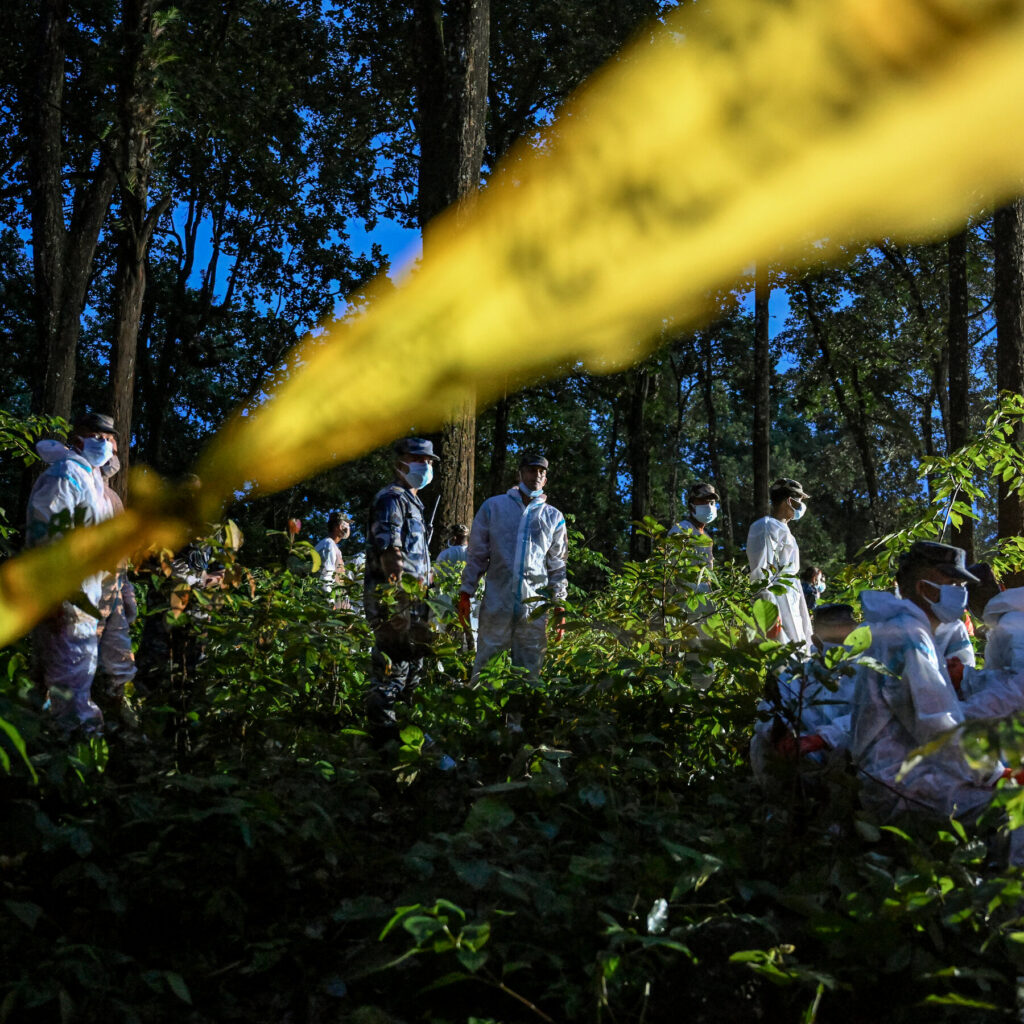
Nepal is grappling with the aftermath of catastrophic floods that have swept through the country, leaving a trail of destruction and despair. Over 2,500 people are reported missing, but only a small number have been recovered among the dead. This stark reality points to a death toll that is likely to climb in the coming days. The scale of the disaster has forced authorities to resort to mass burials, a grim measure reflecting the overwhelming nature of the crisis. This article explores the current situation, the challenges faced by rescue and recovery teams, and the broader implications for Nepal’s disaster response capabilities.
The recent floods in Nepal have caused widespread devastation across multiple regions, displacing thousands and destroying critical infrastructure such as roads, bridges, and communication networks. Official reports indicate that more than 2,500 individuals remain missing, a figure that continues to grow as rescue efforts proceed. Despite extensive search operations, only a small fraction of these missing persons have been found among the deceased, underscoring a grim reality: many victims are still trapped beneath debris, buried under landslides, or swept away by the floodwaters.
Nepal’s challenging geography, characterized by rugged mountainous terrain and isolated villages, complicates search and rescue operations. Many affected areas are difficult to reach, especially when vital access routes have been washed away or severely damaged. This has delayed recovery efforts and contributed to the uncertainty surrounding the true death toll. The monsoon season, which brings heavy rainfall and unstable weather, further hampers rescue missions, increasing the risk to both survivors and responders.
The scale of displacement is also significant, with thousands forced to leave their homes and seek shelter elsewhere. The missing persons count reflects not only fatalities but also those unaccounted for due to disrupted communications and the chaos following the disaster. This uncertainty leaves families in anguish and complicates the coordination of aid and relief efforts.
In response to the mounting number of fatalities and the urgent need to manage public health risks, authorities have initiated mass burials in several affected communities. This approach, while somber, is seen as a necessary measure to prevent the spread of disease and to cope with the logistical challenges posed by the scale of the disaster. With morgues overwhelmed and resources stretched thin, mass burials offer a pragmatic solution to handle the deceased respectfully yet efficiently.
Mass burials are often controversial due to cultural and religious considerations, especially in a country like Nepal where diverse traditions govern funeral rites. However, in the face of this unprecedented crisis, such measures have been reluctantly accepted to mitigate health hazards and avoid further strain on communities already devastated by loss. The decision to conduct mass burials highlights the severity of the situation and the immense pressure on local and national emergency response systems.
Public health experts emphasize that timely burial of bodies is critical to prevent outbreaks of waterborne diseases and other infections in flood-affected areas. The floods have contaminated water supplies and displaced large populations, increasing vulnerability to illnesses. Mass burials, conducted with appropriate sanitary measures, are an essential component of the emergency response to safeguard survivors.
Rescue teams face numerous obstacles, including difficult terrain, ongoing adverse weather conditions, and damaged infrastructure. These factors hinder timely access to affected populations and complicate the retrieval of bodies and survivors. Helicopters and boats are in high demand but are often insufficient to cover the vast and inaccessible areas impacted by the floods.
Moreover, the sheer number of missing persons overwhelms the capacity of local authorities and humanitarian organizations. Coordination between various agencies is critical but challenging under the circumstances. Limited resources such as medical supplies, food, and clean water add to the strain on relief operations. Many rescue workers operate under hazardous conditions, risking their own safety to reach stranded communities.
Communication breakdowns and limited technological infrastructure in remote areas further impede effective response. Many families remain in distress, awaiting news about their loved ones, while emergency responders struggle to establish reliable contact and gather accurate information. The lack of real-time data complicates prioritization of rescue missions and allocation of resources.
The international community has begun mobilizing support, but logistical challenges slow the arrival and distribution of aid. Long-term recovery will require sustained efforts to rebuild infrastructure, restore livelihoods, and provide psychosocial support to affected populations.
The floods have exposed vulnerabilities in Nepal’s disaster preparedness and response mechanisms. While the country is prone to natural disasters such as floods, landslides, and earthquakes, the scale and impact of this event highlight gaps in early warning systems, infrastructure resilience, and emergency response capacity.
Early warning systems failed to provide timely alerts to many communities, limiting their ability to evacuate or prepare adequately. Infrastructure such as roads and bridges proved vulnerable to extreme weather, isolating communities and impeding aid delivery. Emergency response teams faced shortages of equipment and trained personnel, revealing the need for enhanced capacity building.
Moving forward, there is a clear need for investment in disaster risk reduction strategies, including improved forecasting technology, community education programs, and infrastructure upgrades designed to withstand future calamities. Strengthening coordination among government agencies, international partners, and local communities will be essential to enhance resilience and ensure more effective responses.
The current crisis also raises questions about the adequacy of support for displaced populations and the long-term recovery process. Addressing these challenges requires a comprehensive approach that balances immediate humanitarian relief with sustainable development goals. This includes rebuilding homes, restoring livelihoods, and integrating disaster risk management into national planning to reduce vulnerability.
Ultimately, the floods serve as a stark reminder of the increasing risks posed by climate change, which is expected to intensify weather extremes in the region. Nepal’s experience underscores the urgency of global and local efforts to adapt to these changes and protect vulnerable populations.
Nepal’s recent floods have inflicted profound human and infrastructural losses, leaving thousands missing and forcing authorities to adopt mass burials. The ongoing search and rescue efforts face formidable challenges, and the full extent of the tragedy may only become clear in the days ahead. This disaster serves as a stark reminder of the urgent need to strengthen disaster preparedness and response frameworks in Nepal. Building resilience through improved infrastructure, early warning systems, and coordinated emergency management will be crucial to safeguarding lives and livelihoods in the face of future natural disasters.
Originally reported by nytimes.com. Adapted for our readers with AI assistance.
Keep reading
Business News
The National Drug Law Enforcement Agency has arrested multiple suspects and seized significant drug consignments in recent operations across Nigeria.
Business
Nigerian shoppers are increasingly turning to AI assistants like ChatGPT, Claude and Gemini for product ...
Business
The global developer workforce has undergone a transformative expansion over the past five years, fundam...
TAMFIS NIG LTD
Electrical and instrumentation engineering, bid preparation and consulting, IT and software.