Business News
NDLEA Intensifies Operations Against Narcotic Trade and Illegal Trafficking
The National Drug Law Enforcement Agency has arrested multiple suspects and seized significant drug consignments in recent operations across Nigeria.
TAMFIS NIG LTDRC 8067447CAC ACTIVEFinima, Bonny Island, Rivers State

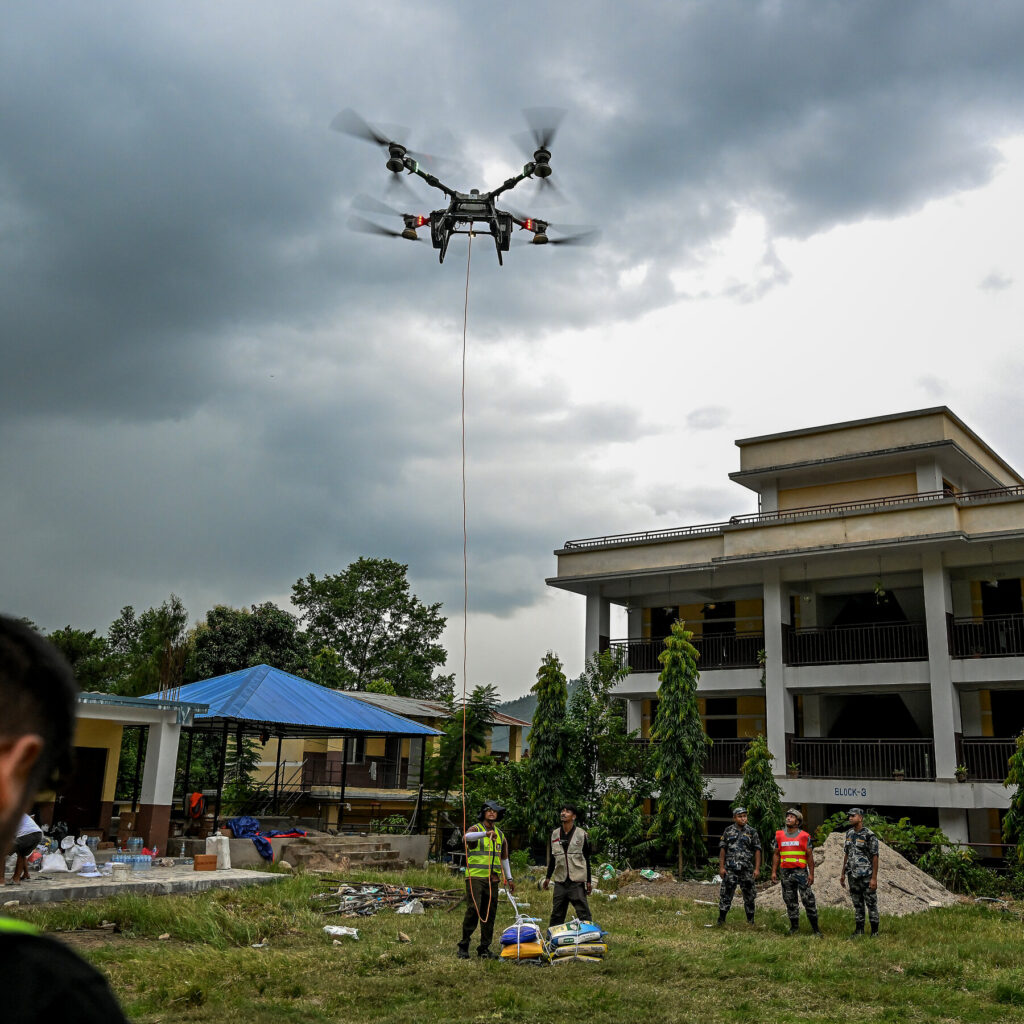
Nepal’s recent floods and landslides have devastated large swaths of the country, leaving many communities stranded without access to food, clean water, and medical supplies. The destruction of roads and bridges has severely hampered traditional relief efforts, forcing rescue teams and volunteers to explore innovative solutions. One such promising approach is the use of drone technology to deliver aid swiftly and safely to isolated survivors. This article explores how drones are being integrated into Nepal’s disaster response, the obstacles faced during deployment, and the broader implications for humanitarian relief operations worldwide.
Nepal’s mountainous and often remote landscape presents formidable challenges for disaster relief operations. Floods and landslides frequently sever vital roadways and isolate entire villages, cutting off access to essential resources. In the recent disaster, many survivors have found themselves trapped without food, clean water, or medical care for extended periods.
Traditional relief methods, such as ground transportation and helicopter drops, face significant limitations. Damaged roads can be impassable for vehicles, while helicopters require suitable landing zones and favorable weather conditions, both of which are often unavailable during and after severe weather events. These constraints lead to delays in aid delivery, increasing the vulnerability of affected populations.
Moreover, the terrain’s instability and ongoing risk of secondary landslides pose dangers to rescue personnel attempting to reach isolated areas. Given these challenges, there is an urgent need for alternative methods that can bypass damaged infrastructure and provide timely assistance to those in need.
Drones, or unmanned aerial vehicles (UAVs), have emerged as a promising solution to overcome the logistical hurdles in Nepal’s disaster zones. Their ability to fly over rugged terrain and damaged infrastructure enables them to reach isolated communities that ground vehicles cannot access.
In Nepal, rescue workers and volunteers have begun deploying drones to transport lightweight but critical supplies such as emergency food rations, clean water, and small medical kits directly to survivors. This method reduces reliance on traditional transport and allows for rapid, targeted delivery of aid.
The use of drones also minimizes risks to human responders, who might otherwise have to navigate dangerous and unstable environments. Additionally, drones can be operated remotely and deployed quickly, enabling faster response times and more frequent supply drops compared to conventional methods.
Beyond delivery, drones equipped with cameras and sensors can gather real-time data on affected areas, helping responders assess damage, identify inaccessible zones, and prioritize relief efforts more effectively.
Despite their advantages, deploying drones in disaster zones presents several challenges. Weather conditions, particularly during Nepal’s monsoon season, can severely limit drone operations. Heavy rain, strong winds, and low visibility interfere with flight stability and safety, restricting the windows during which drones can be used effectively.
Another limitation is payload capacity. Most drones currently used in relief efforts can carry only small loads, necessitating multiple flights to deliver sufficient supplies to a community. This requires meticulous planning, coordination, and sufficient numbers of drones and trained operators to meet demand.
Regulatory frameworks governing drone flights in Nepal are still evolving. Ensuring compliance with aviation laws and coordinating with local authorities is essential to prevent interference with other rescue operations, such as manned aircraft flights and ground teams.
Training local operators is another critical factor. Sustainable drone-based aid delivery depends on building local capacity to operate, maintain, and repair drones in remote areas, which can be logistically challenging given limited infrastructure and resources.
Additionally, battery life and the availability of charging facilities in disaster zones can constrain drone operations, requiring innovative solutions such as portable solar chargers or mobile charging stations.
The integration of drones into Nepal’s disaster response efforts offers a valuable model for other countries with similarly challenging geography and infrastructure vulnerabilities. By demonstrating the practical benefits and limitations of drone delivery in real emergencies, Nepal’s rescue teams provide critical insights into how technology can complement traditional humanitarian aid.
Drones have the potential to make aid distribution faster, safer, and more efficient, particularly in regions where natural disasters routinely disrupt access. Their ability to deliver targeted supplies and gather situational data can improve the overall coordination and effectiveness of relief operations.
As drone technology advances, improvements in payload capacity, flight range, weather resilience, and autonomous navigation are expected to expand their utility in humanitarian contexts. These enhancements could enable drones to carry larger loads over longer distances and operate reliably in adverse weather conditions.
Moreover, the data collected during drone missions can enhance situational awareness, informing decision-making and resource allocation. This information can be vital for prioritizing assistance, monitoring ongoing risks, and planning recovery efforts.
The experience gained in Nepal also highlights the importance of developing regulatory frameworks and building local expertise to ensure the sustainable and ethical use of drones in disaster relief.
The devastating floods and landslides in Nepal have highlighted the urgent need for innovative and adaptable disaster relief strategies. By embracing drone technology, Nepali rescue workers and volunteers are pioneering a new frontier in humanitarian aid delivery, overcoming geographic and infrastructural barriers that have long hindered assistance to isolated communities. While challenges such as weather limitations, payload constraints, and regulatory issues remain, ongoing testing and deployment efforts demonstrate the significant promise of drones to improve the speed, safety, and reach of disaster response. As drone technology continues to mature and operational experience grows, this approach has the potential to transform emergency aid delivery not only in Nepal but across the globe, ultimately saving lives and reducing suffering in the most vulnerable regions.
Originally reported by nytimes.com. Adapted for our readers with AI assistance.
Keep reading
Business News
The National Drug Law Enforcement Agency has arrested multiple suspects and seized significant drug consignments in recent operations across Nigeria.
Business
Nigerian shoppers are increasingly turning to AI assistants like ChatGPT, Claude and Gemini for product ...
Business
The global developer workforce has undergone a transformative expansion over the past five years, fundam...
TAMFIS NIG LTD
Electrical and instrumentation engineering, bid preparation and consulting, IT and software.