Business News
NDLEA Intensifies Operations Against Narcotic Trade and Illegal Trafficking
The National Drug Law Enforcement Agency has arrested multiple suspects and seized significant drug consignments in recent operations across Nigeria.
TAMFIS NIG LTDRC 8067447CAC ACTIVEFinima, Bonny Island, Rivers State

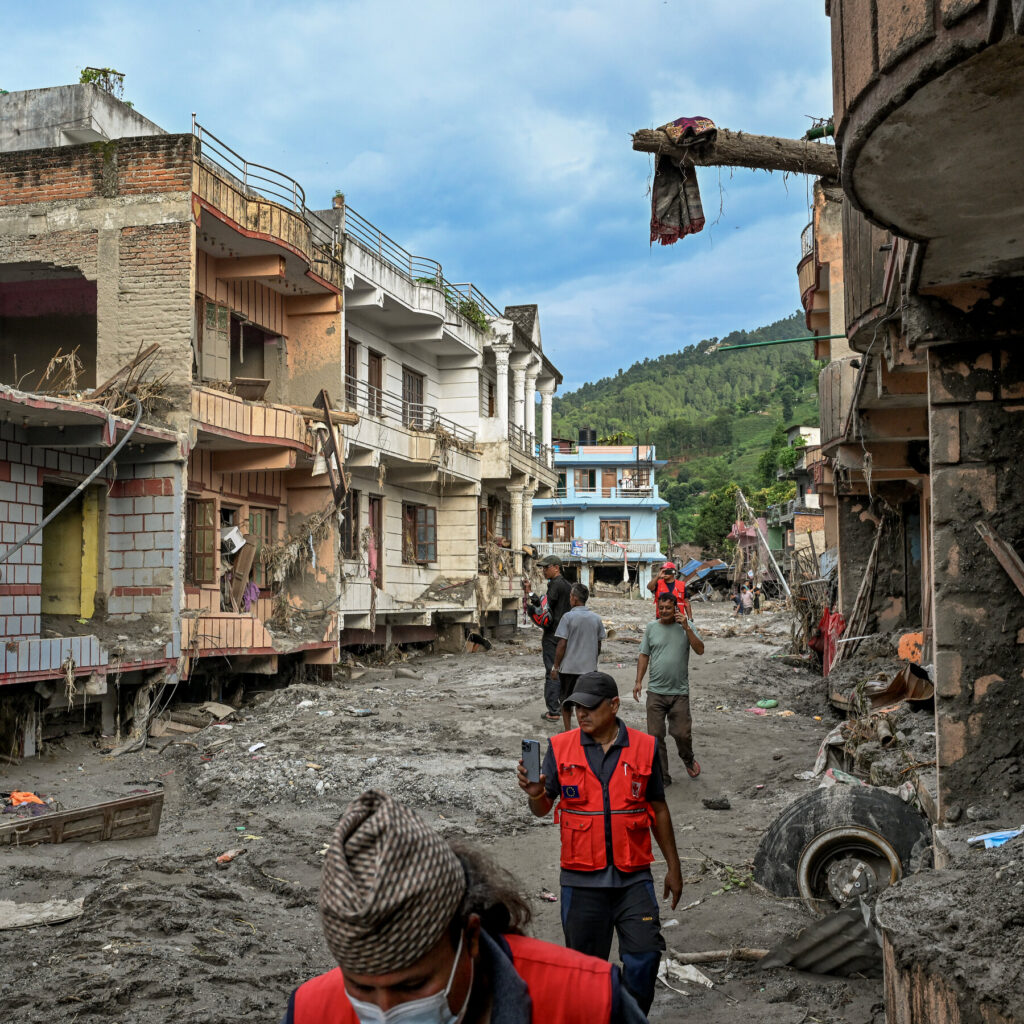
In the wake of unprecedented flooding in Nepal, rescue operations have entered their fourth day, with authorities still searching for more than 2,400 people reported missing. The disaster has inflicted extensive damage across the nation, highlighting both the immediate human toll and the long-term challenges Nepal faces in disaster management and recovery. This article examines the ongoing rescue efforts, the scale of devastation, and what this means for Nepal’s future resilience.
Nepal has been struck by severe flooding that has swept through multiple regions, causing widespread destruction. Torrential monsoon rains triggered landslides and swollen rivers, inundating villages and isolating communities across the country’s mountainous terrain. Entire settlements have been submerged, roads washed away, and critical infrastructure damaged, leaving thousands displaced and in urgent need of assistance.
The government and local authorities have reported that over 2,400 people remain unaccounted for, underscoring the disaster's devastating human cost. Floodwaters have disrupted communication and transportation networks, making it difficult to assess the full extent of the damage or reach affected populations promptly. As the waters gradually recede, the scale of destruction is becoming clearer, revealing a daunting recovery ahead for this vulnerable nation.
The mountainous geography of Nepal, while stunning, complicates rescue and recovery efforts. Many affected areas are remote and accessible only by footpaths or limited roadways, which have been severely damaged or blocked by landslides. This isolation has delayed aid delivery and hampered the ability to conduct comprehensive assessments, leaving many communities vulnerable in the immediate aftermath.
Rescue teams, including the Nepalese army, local volunteers, and international aid organizations, have been working tirelessly to locate survivors and provide emergency assistance. Helicopters and boats have been deployed to reach isolated areas cut off by landslides and flooding, but the rugged terrain and ongoing adverse weather conditions have posed significant obstacles to these efforts.
Despite these challenges, the search continues with urgency as authorities emphasize the critical need to find survivors amid dwindling resources and the risk of further health emergencies. Relief camps have been established to shelter displaced residents, offering food, water, and medical care. Medical teams are also working to treat injuries and prevent outbreaks of waterborne diseases, which commonly follow such flooding events.
Coordination between government agencies and humanitarian groups is essential to maximize the effectiveness of rescue and relief operations. However, logistical difficulties and limited infrastructure have slowed progress, highlighting systemic weaknesses in disaster preparedness and response capacity. These challenges underscore the importance of strengthening Nepal’s emergency management systems to better cope with future disasters.
The ongoing monsoon rains continue to complicate rescue efforts, with persistent rainfall increasing the risk of additional landslides and flooding. This not only endangers rescue personnel but also threatens to undo progress made in reaching affected populations. The urgency to act swiftly is matched by the need for caution to ensure the safety of both survivors and responders.
The floods have disproportionately affected Nepal’s most vulnerable populations, especially those living in remote and economically disadvantaged areas. Many residents depend on subsistence farming, and the destruction of crops and arable land threatens food security for months to come. The loss of livelihoods adds another layer of hardship to already struggling communities.
Critical infrastructure such as roads, bridges, schools, and health facilities has been damaged or rendered unusable. This not only hampers immediate relief efforts but also threatens long-term development and access to essential services. The disruption of transportation networks isolates communities further, delaying recovery and aid delivery.
The psychological toll on affected communities is significant, with many individuals facing the trauma of losing family members, homes, and sources of income. Mental health support is a crucial yet often overlooked component of disaster response, requiring increased attention and resources to help survivors cope with grief and stress.
In addition to physical and economic impacts, the floods have heightened the risk of secondary crises. Contaminated water sources and inadequate sanitation facilities increase the likelihood of disease outbreaks, while displacement places strain on already limited local resources. These factors compound the difficulties faced by vulnerable populations and highlight the need for comprehensive, multisectoral response strategies.
Nepal’s experience with this devastating flood disaster underscores the urgent need for enhanced disaster risk reduction strategies. Improved early warning systems could provide communities with critical time to evacuate, while investments in resilient infrastructure would help mitigate the physical impact of such events. Community education on emergency preparedness is also vital to empower residents to respond effectively when disasters strike.
International support and funding will be crucial during the recovery phase, aiding the rebuilding of infrastructure and supporting affected populations. Equally important is empowering local communities with resources and knowledge to manage emergencies independently, fostering resilience from the ground up.
Climate change is expected to increase the frequency and severity of extreme weather events in the Himalayan region, making resilience-building efforts even more critical. Sustainable development policies that integrate disaster risk management can help Nepal adapt to these evolving challenges, ensuring that future generations are better protected against natural hazards.
This disaster serves as a stark reminder that addressing climate change and environmental degradation is inseparable from disaster preparedness. Strengthening regional cooperation and investing in scientific research to better understand monsoon patterns and their impacts will be key components of a comprehensive strategy to reduce vulnerability in Nepal and surrounding areas.
The floods in Nepal have brought into sharp relief the vulnerabilities faced by the nation in the face of natural disasters. As rescue teams continue their search for thousands missing, the focus must also turn to rebuilding and strengthening resilience against future calamities. This tragedy serves as a call to action for both national authorities and the global community to invest in preparedness, infrastructure, and sustainable development to protect lives and livelihoods in Nepal and similar regions prone to environmental hazards.
Originally reported by nytimes.com. Adapted for our readers with AI assistance.
Keep reading
Business News
The National Drug Law Enforcement Agency has arrested multiple suspects and seized significant drug consignments in recent operations across Nigeria.
Business
Nigerian shoppers are increasingly turning to AI assistants like ChatGPT, Claude and Gemini for product ...
Business
The global developer workforce has undergone a transformative expansion over the past five years, fundam...
TAMFIS NIG LTD
Electrical and instrumentation engineering, bid preparation and consulting, IT and software.