
Business
Nigeria’s Economic Performance: Domestic Debt Rise and Agriculture Trade Shift in Q2 2026
Nigeria's economic landscape in the second quarter of 2026 presents a mixed picture of fiscal press...
TAMFIS NIG LTDRC 8067447CAC ACTIVEFinima, Bonny Island, Rivers State

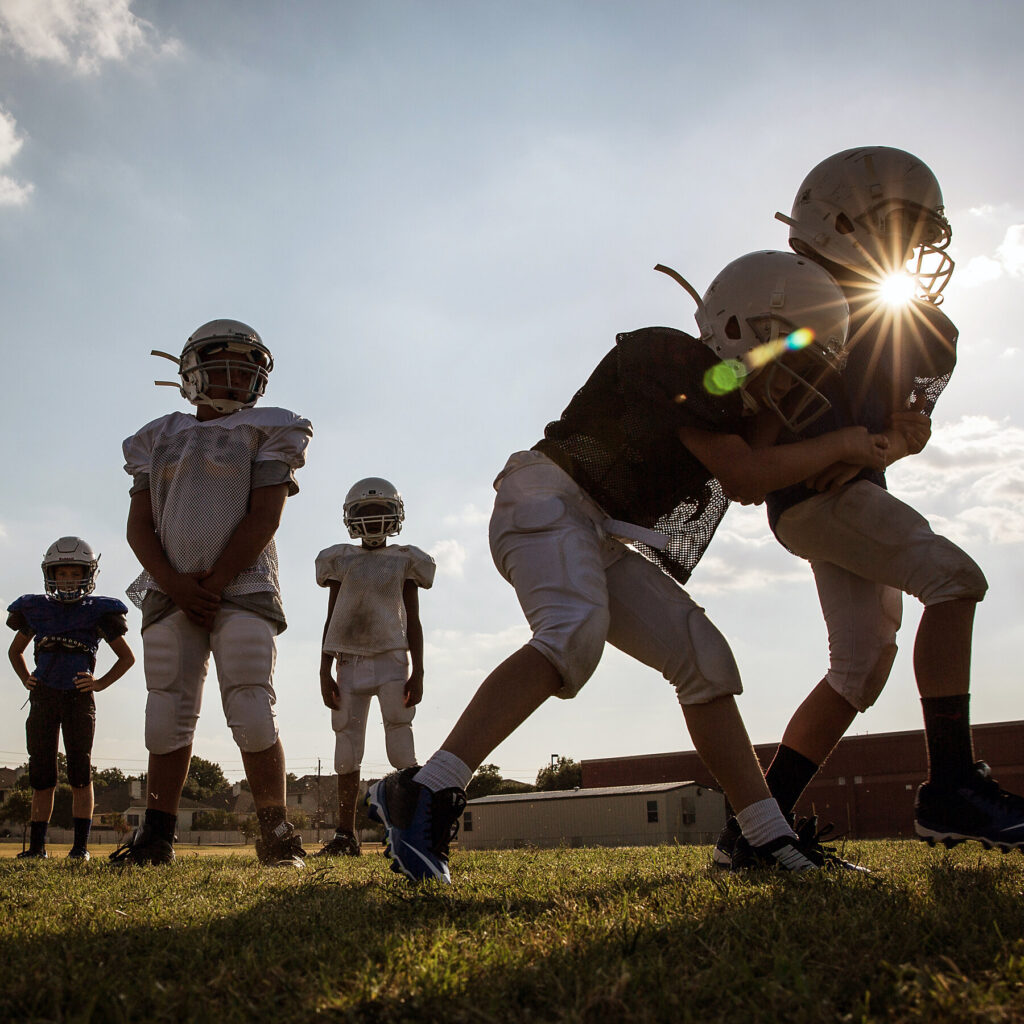
A new study shows that N.F.L. players have a high risk for developing degenerative brain disease. The research adds to a growing body of evidence linking professional football to long-term neurological harm, and it is prompting parents, coaches, and young athletes to think carefully about when — or whether — children should begin playing tackle football. The central concern is chronic traumatic encephalopathy, or C.T.E., a progressive brain disease associated with repeated head impacts. For families already weighing the benefits of teamwork, fitness, and discipline against the possibility of injury, the latest findings make the conversation more urgent. Does anyone in your family play football? We want to know your thoughts.
A new study published in the British Medical Journal examined former N.F.L. players who died between 2016 and 2021. Researchers found that at least one in four of those players had evidence of chronic traumatic encephalopathy, or C.T.E., at the time of death. The study is the largest of its kind focused on deceased professional football players, and the researchers noted that the actual prevalence at death was probably higher.
C.T.E. is a degenerative brain disease believed to be caused by repeated blows to the head, including the smaller, subconcussive impacts that occur on nearly every play. It can lead to memory loss, depression, aggression, and dementia. The condition has been found in athletes with histories of contact sports, and its connection to football has been documented across multiple studies.
The new findings arrive alongside earlier research from Boston University’s C.T.E. Center, which reported that a large majority of former N.F.L. players whose brains were donated for study showed signs of the disease. A separate Harvard analysis of nearly 20,000 former players also found that N.F.L. players were four times more likely than the general population to die from a neurodegenerative disease.
Professional football involves years of high-speed collisions, but the implications extend to youth leagues. Young athletes’ brains are still developing, and research suggests that starting tackle football at an early age, or playing it for many years, may be associated with worse outcomes later in life. One Boston University study found that people who began tackle football at a young age or played for more than 11 years had less white-matter integrity in their brains.
The concern is not limited to diagnosed concussions. Much of the damage in C.T.E. is thought to come from the accumulation of routine head impacts during practice and games. In youth leagues, children may experience thousands of these smaller hits over the course of a season, often while their brains and bodies are still maturing.
That has led some health organizations to recommend caution. The Concussion and C.T.E. Foundation, for example, urges families to delay tackle football until at least age 14 and to consider flag football as an alternative for younger children. The American Academy of Pediatrics has also examined the relationship between tackling and football-related injuries, noting that limiting or delaying tackling could reduce risk.
For parents, the decision is rarely simple. Football offers exercise, friendship, structure, and lessons about perseverance. Many communities are built around youth leagues, and children often want to play because siblings, classmates, or local heroes do. Removing a child from the sport can feel like denying them a formative experience.
At the same time, the emerging science about brain disease has changed how some families approach the game. Some have switched to flag football, which removes tackling while preserving many of the sport’s strategic and athletic elements. Others have pushed for rule changes, better coaching, limited contact in practice, and improved concussion protocols. Equipment and technique matter, but no helmet can prevent the brain from moving inside the skull on impact.
Cost, access, and cultural expectations also shape the conversation. In some places, football is seen as the most reliable path to a college scholarship or professional career. In others, it is simply a neighborhood tradition. The new study does not tell any single family what to do, but it does add a significant piece of information to a decision that already carries physical and emotional weight.
We want to hear from you. Does anyone in your family play football? Are you a parent who has decided to let a child start tackle football, or one who has chosen flag football, another sport, or no sport at all? What information shaped your choice?
Maybe you played football yourself and are now reflecting on what you knew at the time. Maybe you coach a youth team and have changed how you run practice. Maybe you believe the benefits of the sport still outweigh the risks, or maybe the new study has confirmed a decision you already made. Whatever your experience, your perspective helps others think through a difficult topic. Leave a comment and tell us how you feel about the risks of youth football.
The question of youth football is no longer only about broken bones or torn ligaments. New evidence about degenerative brain disease among N.F.L. players has moved brain health to the center of the debate. Families now have more information than ever, but no single answer works for everyone. The best decisions will come from staying informed, asking honest questions, and listening to the experiences of players, parents, coaches, and doctors. Does anyone in your family play football? We want to know your thoughts.
Originally reported by nytimes.com. Adapted for our readers with AI assistance.
Keep reading
Business
Nigeria's economic landscape in the second quarter of 2026 presents a mixed picture of fiscal press...
Business
Liverpool manager Andoni Iraola is confronting a significant selection headache as two key forwards, Cod...
News
Health News tamfitronics [Editor’snote:[Editor’snote: This transcript was generated using both transcription ...
TAMFIS NIG LTD
Electrical and instrumentation engineering, bid preparation and consulting, IT and software.