
Business
Nigeria’s Economic Performance: Domestic Debt Rise and Agriculture Trade Shift in Q2 2026
Nigeria's economic landscape in the second quarter of 2026 presents a mixed picture of fiscal press...
TAMFIS NIG LTDRC 8067447CAC ACTIVEFinima, Bonny Island, Rivers State

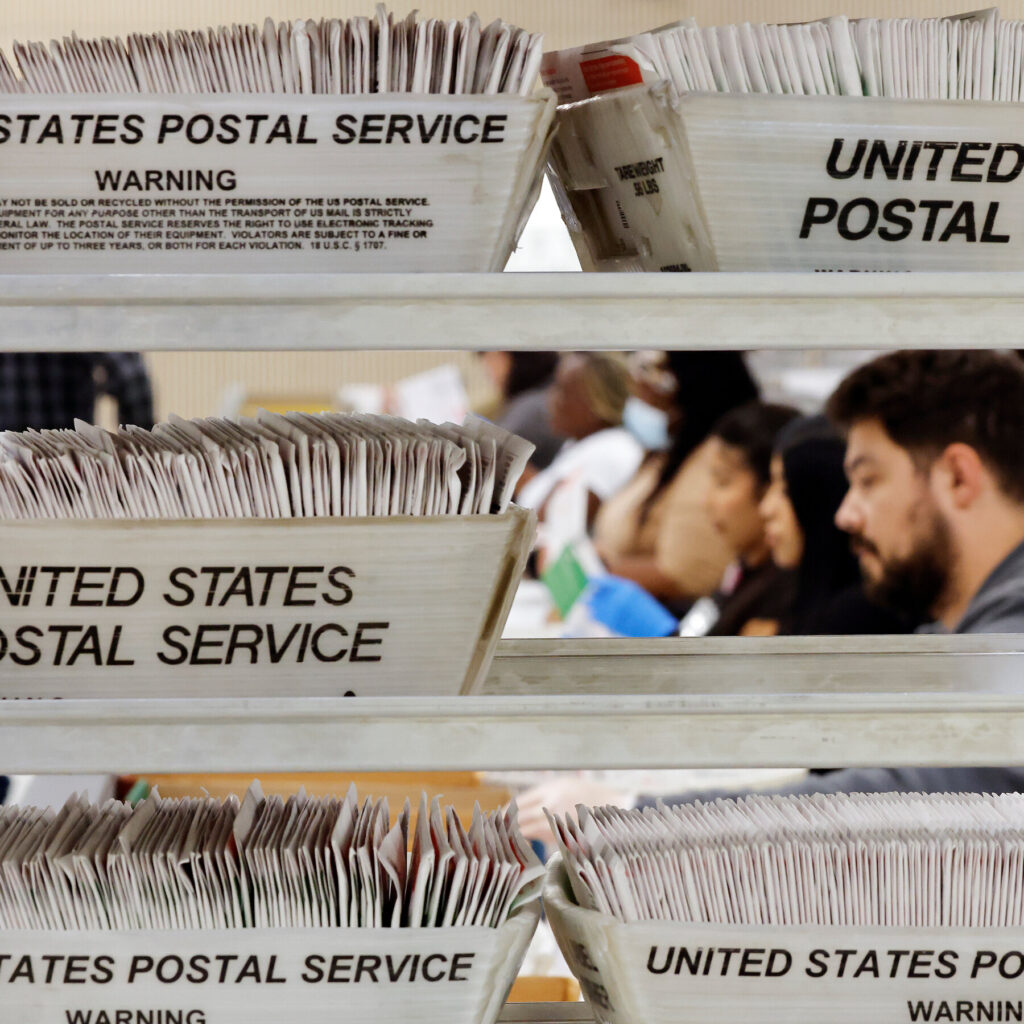
That effort got new attention on Monday, when the Supreme Court allowed preparations for mail voting curbs to proceed. The justices said it is not a final determination on the order's legality. The ruling means that officials may continue planning or implementing the contested restrictions while litigation continues, but it leaves the ultimate question of whether those curbs are lawful unresolved. For now, the decision shifts practical momentum toward the side seeking tighter rules for casting ballots by mail, without closing the door on a later reversal.
That effort got new attention on Monday, when the Supreme Court allowed preparations for mail voting curbs to proceed. The justices said it is not a final determination on the order's legality. In practical terms, the Court declined to stop the groundwork for restrictions at this stage of the dispute. By permitting the administrative steps needed to put the curbs into effect to continue, the justices shifted at least temporary momentum toward the restrictions. The order did not explain the Court's reasoning in detail, which is common for emergency or interim actions. What it did make clear is that Monday's action addresses only whether the preparations can move forward now, not whether the underlying policy will survive once a court fully examines its merits.
The justices' emphasis that the ruling is not a final determination on the order's legality carries significant weight. A decision on the merits would weigh the text of election statutes, constitutional provisions, and administrative rules against the proposed changes. Monday's action did none of that. Instead, it applied the standard that governs whether a court should pause a policy while a case is still being argued. Under that standard, the party asking a court to block a change before final judgment must usually show a likelihood of success on the merits, irreparable harm, and that the balance of interests favors stopping the change. When the Supreme Court refuses to halt preparations, it signals that the arguments against pausing the policy have prevailed for the moment, but it does not endorse the policy itself. Election lawyers therefore read the order as a narrow procedural step that lets the curbs move closer to implementation while the legal challenge continues, rather than a broad endorsement of the restrictions.
Mail voting curbs can take many forms, including shorter deadlines for requesting or returning ballots, stricter witness or identification requirements, limits on ballot drop boxes, and narrower rules for who may assist a voter in returning a mailed ballot. Because each state sets most of its own election procedures, the practical effect of any national order depends heavily on how it interacts with state law. Where state rules already align with the curbs, implementation may be straightforward. Where they conflict, state and local officials could face conflicting instructions from federal and state authorities. That tension can slow training, printing of ballots, voter education, and the certification of results. The Postal Service also sits near the center of many mail voting debates, since timely delivery and return of ballots depends on reliable postal operations. Changes that compress deadlines or increase volume at short notice can strain delivery networks and create bottlenecks that affect whether ballots arrive in time to be counted.
For voters, Monday's action does not immediately change the rules under which they may cast a ballot. It does, however, increase the chance that the curbs will take effect before the next relevant election if the lower courts do not block them first. Voters who rely on mail voting may need to track late-breaking changes to deadlines, identification requirements, and return options. Election officials, meanwhile, must prepare for two possible futures. If the curbs are ultimately upheld, they will need new procedures, forms, and staff guidance ready. If the curbs are struck down, they will need to revert to prior rules or defend any transition costs. That uncertainty can complicate budgeting, training, and public communication. The Supreme Court's reminder that its order is not a final determination on the order's legality gives officials some reason to believe the policy could still be invalidated, even as they are told to continue getting ready.
The case will now return to the lower courts for fuller review. Briefing, hearings, and possibly a trial will examine whether the order authorizing the curbs falls within the power Congress delegated, complies with constitutional requirements, and was issued through proper procedures. Either side can appeal an eventual final ruling back to the Supreme Court, which could then issue the definitive determination the justices expressly reserved on Monday. In the meantime, the preparations that the Court allowed to proceed may generate new facts: revised deadlines, returned ballots, changed drop box locations, or voter confusion. Those developments could influence later legal arguments by showing whether the curbs impose burdens that the challengers consider unlawful. The timeline is tight, because election calendars move quickly and courts are reluctant to order last-minute changes that could disrupt an orderly vote.
Monday's Supreme Court order put new focus on an effort to tighten mail voting rules by letting preparations move forward, yet it left the most important legal question unresolved. The justices underscored that their decision was not a final determination on the order's legality, meaning the dispute will continue in the lower courts and may return to the high court for a definitive ruling. Until then, officials may plan for stricter mail voting procedures, but voters and election administrators should expect further developments before the rules are settled.
Originally reported by nytimes.com. Adapted for our readers with AI assistance.
Keep reading
Business
Nigeria's economic landscape in the second quarter of 2026 presents a mixed picture of fiscal press...
Business
Liverpool manager Andoni Iraola is confronting a significant selection headache as two key forwards, Cod...
News
Health News tamfitronics [Editor’snote:[Editor’snote: This transcript was generated using both transcription ...
TAMFIS NIG LTD
Electrical and instrumentation engineering, bid preparation and consulting, IT and software.

