
Religious References in Lindsay Clancy Trial Anger Judge and Defense
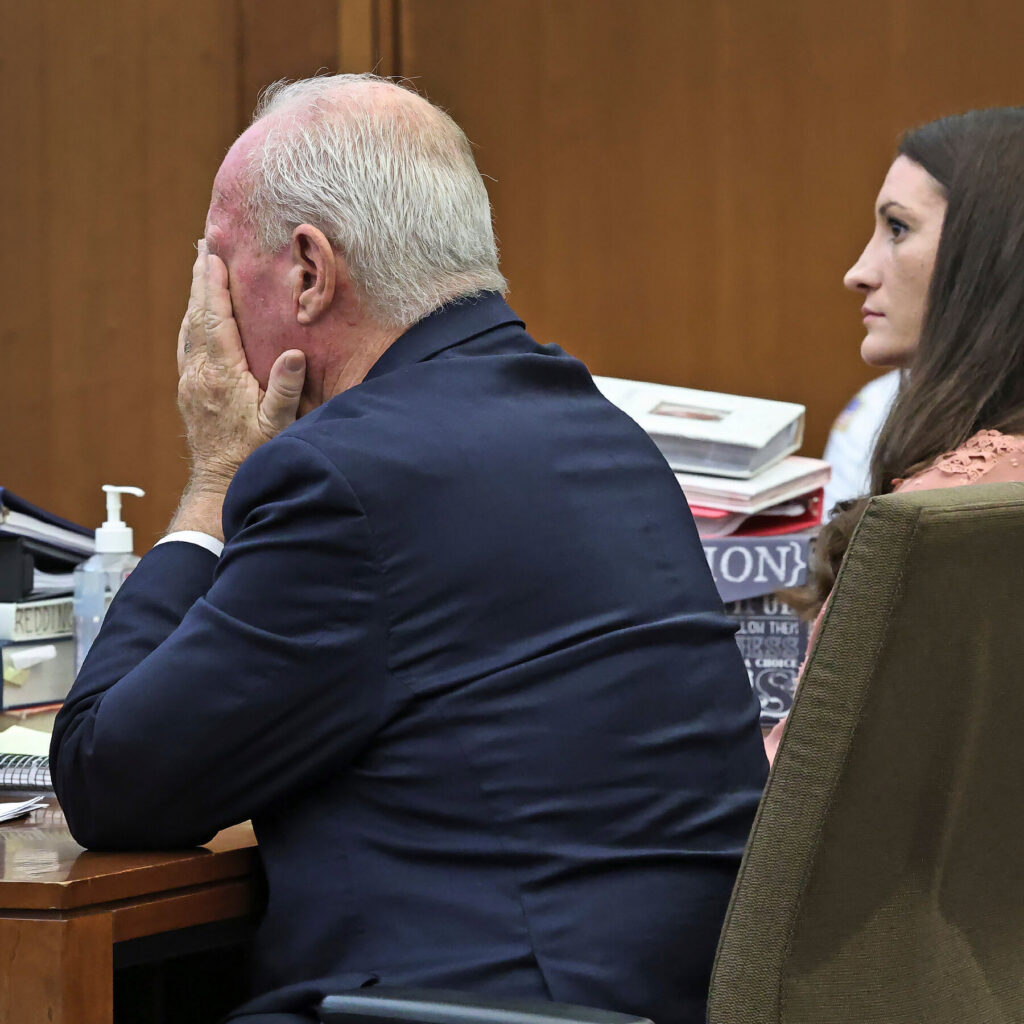
During Lindsay Clancy's trial on Monday, a prosecution witness introduced a religious reference into testimony. The presiding judge immediately found the remark inappropriate, sternly instructed jurors to disregard it, and warned them to rely only on admissible evidence and legal guidance. Lindsay Clancy's lawyer then asked for a mistrial, arguing that the comment risked compromising the jury's impartiality. The episode underscored how quickly a single remark can disrupt courtroom order and how carefully courts must guard the line between personal expression and the evidence the jury is allowed to consider.
What happened
On Monday in the trial of Lindsay Clancy, a prosecution witness made a religious reference while testifying. The exact words were not included in the available record, but the remark drew an immediate response from the presiding judge, who interrupted the proceedings to address it. The judge considered the reference out of bounds and told jurors to disregard it entirely.
The judge's swift intervention signaled that even a brief religious mention could carry weight in a jury setting. Jurors are required to evaluate evidence under legal standards, not through spiritual or moral frameworks introduced by witnesses. Lindsay Clancy's lawyer then asked for a mistrial, contending that the remark may have tainted the jury and that a fresh panel might be needed to ensure a fair verdict.
The judge's response and jury instruction
The presiding judge issued a stern directive ordering the jury to disregard the witness's religious reference. Such curative instructions are a common way judges respond when jurors hear testimony that should not have been admitted. The instruction reminds jurors of their duty to base decisions only on proper evidence and the court's legal guidance.
A forceful instruction also creates a record that the judge tried to cure any potential prejudice, which matters if the issue is raised later on appeal. The judge's stern tone suggested the remark was a meaningful breach of protocol rather than a minor slip, and it signaled to jurors that they should not discuss the comment among themselves or rely on it when forming impressions of the witness or the case.
Defense request for a mistrial
After the judge's instruction, Clancy's lawyer asked for a mistrial. The request asks the court to declare the trial invalid and begin again with a new jury, usually when one side believes the jury can no longer remain impartial. A mistrial is a serious step because it halts the current proceeding and may require the entire case to be retried before a different panel.
Mistrial motions are decided case by case. A judge weighs how serious the improper statement was, the context in which it was made, the chance that it influenced jurors, and whether a curative instruction can realistically undo any effect. Here, the defense argued that a religious reference can stir deep feelings and assumptions, making it hard for jurors to separate the witness's language from the facts they must weigh.
Why courtroom references to religion matter
Trials rely on evidence, argument, and procedure. Religious references can pull jurors toward conclusions based on faith, morality, or identity rather than on proof that meets legal standards. Even an unintended religious statement can carry emotional resonance that raw facts alone do not, and once heard it cannot be unheard.
The risk grows because jurors come from varied backgrounds. A reference that feels familiar or harmless to one person may feel persuasive, alien, or even offensive to another. Judges therefore watch testimony closely for comments that stray into religious, political, or similarly charged territory. The Monday incident shows the tension between a witness's everyday speech and the controlled rules of the courtroom.
Broader implications for trial fairness
The episode in Clancy's trial fits into a larger pattern of courts working to protect jury impartiality. Judges routinely exclude testimony or strike comments that could appeal to jurors' emotions, beliefs, or biases. The goal is to keep the trial focused on disputed facts and applicable law rather than on arguments that might sway a jury for reasons unrelated to the evidence.
For defendants, a curative instruction may not always feel sufficient. Once jurors hear a potentially prejudicial remark, defense lawyers often argue that no instruction can fully erase its effect. Prosecutors, in turn, typically contend that the comment was isolated and that the judge's direction restored fairness. The presiding judge must balance these competing concerns while keeping the proceedings moving and protecting both parties' rights.
Looking ahead
The court must now decide whether the curative instruction is enough or whether Clancy's mistrial request should be granted. If the motion is denied, the trial will continue with the current jury, and the instruction will remain part of the record. Both sides would then return to presenting evidence within the rules the court has set, while the defense may preserve the issue for appeal.
If a mistrial is granted, the parties will start over with a new jury that has not heard the disputed remark. Either outcome will reinforce that courtroom testimony is governed by rules designed to protect fairness. Monday's events show that a single religious reference can have serious procedural consequences and that judges and attorneys must keep jurors focused on admissible evidence.
What this means
A prosecution witness's religious reference during Lindsay Clancy's trial on Monday provoked a stern rebuke from the presiding judge and a mistrial request from the defense. The judge's instruction to jurors to disregard the remark reflects the court's duty to keep the trial grounded in admissible evidence and to shield the jury from improper influence. Whether the curative instruction succeeds or a mistrial is granted, the episode is a clear reminder of how tightly courts control courtroom boundaries and how a single comment can raise broad questions about fairness and impartiality.
Originally reported by nytimes.com. Adapted for our readers with AI assistance.