Arts & Culture
Exploring the Intimacy and Power of Musical Manuscripts: A Journey Through Mahler’s ‘Resurrection’ Symphony
Musical manuscripts transcend their role as mere performance guides; they are intimate artifacts that co...
TAMFIS NIG LTDRC 8067447CAC ACTIVEFinima, Bonny Island, Rivers State

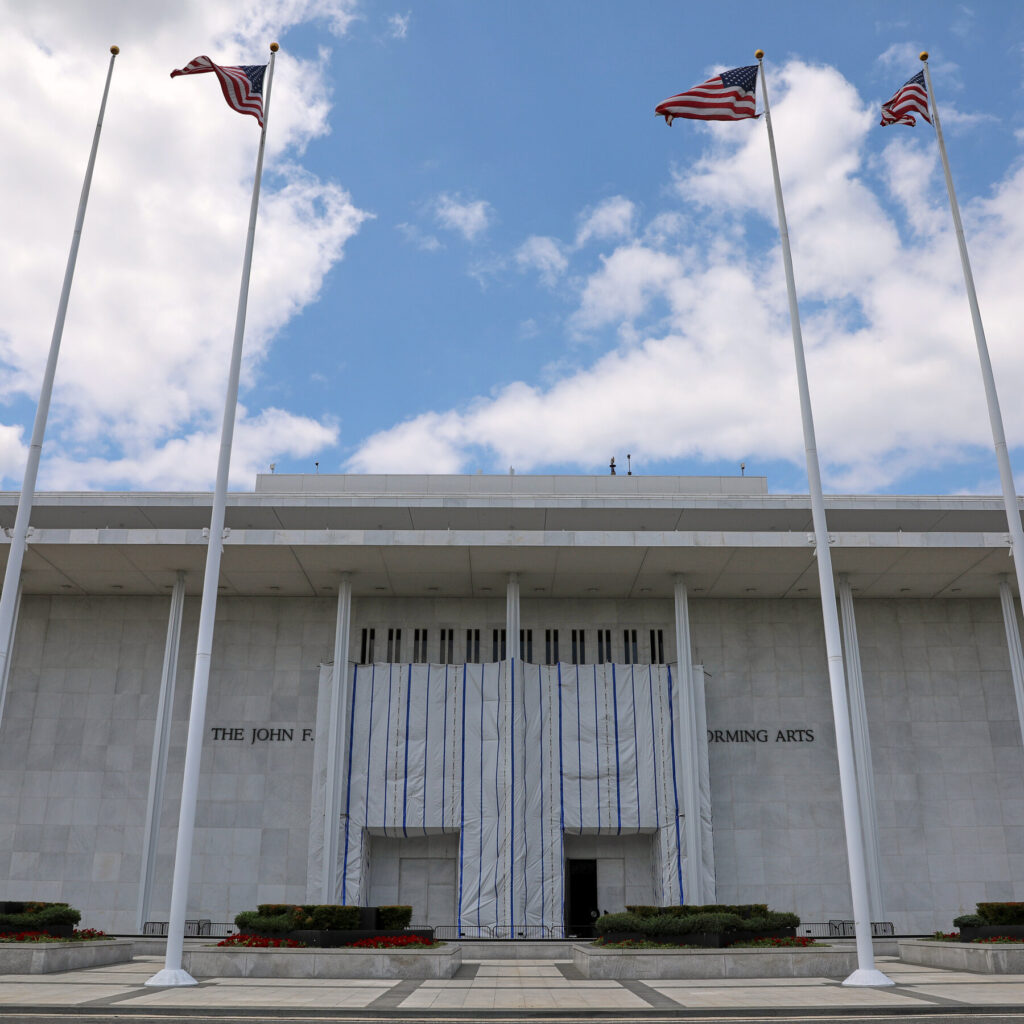
The John F. Kennedy Center for the Performing Arts, a premier cultural institution in the United States, has become the focal point of a heated controversy after its board voted to inscribe a plaque crediting former President Donald Trump for restoration and renovation efforts. This decision directly challenges a judicial order mandating the removal of Trump's name from the center, raising profound questions about the politicization of cultural institutions and the balance between recognizing contributions and maintaining institutional neutrality. As the debate unfolds, it offers valuable insights for cultural organisations, policymakers, and stakeholders globally on navigating the complex interplay of politics, art, and public spaces.
The Kennedy Center stands as one of the United States' most prestigious cultural institutions, renowned for its dedication to the performing arts and its symbolic significance in American culture. Over recent years, the centre has undergone extensive restoration and renovation aimed at modernising the facility, enhancing accessibility, and preserving its iconic status. These works included updates to performance spaces, infrastructure improvements, and initiatives to ensure the centre remains a vibrant hub for arts and culture.
During this period, the Trump administration was involved in funding and overseeing aspects of the restoration project, prompting discussions about formally acknowledging the former president's role. The proposal to add a plaque crediting Donald Trump emerged as a way to recognise the administration's contribution, reflecting a common practice of honouring significant donors or contributors to public projects.
Recently, the Kennedy Center's board voted to inscribe a plaque reading "Restored and Renovated by President Donald J. Trump." This decision is particularly notable because it directly defies a judicial order that had required the removal of Trump's name from the centre. The court order was issued amid concerns about the politicisation of a cultural institution and the appropriateness of honouring a sitting or former president in such a public and permanent manner.
The legal rationale centred on maintaining the centre's neutrality and avoiding the appearance of political endorsement. By proceeding with the inscription despite the court's directive, the board is engaging in an aggressive test of judicial authority. This move raises significant questions about governance, legal compliance, and the autonomy of public cultural institutions when faced with political pressures.
The decision to inscribe Trump's name has sparked a deeply polarised response among the public and political commentators. Supporters argue that the plaque is a factual acknowledgment of Trump's administration's involvement and financial support in the renovation project, emphasising transparency and recognition of contributions regardless of political affiliation.
Conversely, critics view the move as an overt politicisation of a cultural institution that should remain neutral and focused solely on the arts. They express concern that such acknowledgments could set a precedent, leading to future politicised inscriptions that might undermine the Kennedy Center's mission and damage its reputation as an inclusive cultural space. This controversy also mirrors the broader national divisions surrounding Donald Trump's presidency and his lasting influence on public institutions.
The Kennedy Center controversy underscores the complex role cultural institutions occupy within political discourse. While these organisations often rely on government funding and support, they are traditionally viewed as spaces dedicated to artistic expression and cultural enrichment, ideally insulated from partisan politics.
Honouring a political figure on the building's facade challenges this traditional notion and raises important questions about how cultural organisations navigate political pressures and public expectations. It highlights the tension between recognising tangible contributions to public projects and maintaining institutional independence and neutrality. This situation serves as a case study in the delicate balance cultural institutions must strike: acknowledging the role of political figures without compromising their mission to serve as neutral venues for diverse artistic voices.
The Kennedy Center board's decision to defy a court order could lead to prolonged legal battles, with significant implications for the institution's governance and public standing. Should the inscription proceed, it may encourage other cultural organisations to reconsider how they recognise political figures, potentially increasing the politicisation of the arts sector.
On the other hand, a legal ruling enforcing the removal of Trump's name would reinforce judicial oversight of public institutions and could set a precedent limiting political acknowledgments in similar contexts. This could help preserve the perceived neutrality of cultural spaces and prevent future controversies. Regardless of the outcome, this episode highlights the ongoing challenges cultural institutions face in balancing recognition, politics, and public trust.
The Kennedy Center board's decision to add Donald Trump's name to the building amid ongoing legal challenges marks a significant moment in the evolving dialogue about the intersection of politics and culture. While the inscription acknowledges the former president's role in the centre's renovation, it simultaneously raises critical questions about the role of political figures in cultural institutions and the potential consequences of such acknowledgments.
As legal proceedings unfold and public debate continues, the outcome will likely have lasting implications for how cultural organisations manage political influence and uphold their mission as neutral spaces dedicated to artistic expression. For cultural institutions worldwide, this controversy underscores the need for clear policies and guidelines regarding political acknowledgments to navigate these complex issues thoughtfully.
The Kennedy Center controversy serves as a potent reminder of the intricate relationship between politics and cultural institutions. As the debate continues, it offers a critical case study for cultural organisations worldwide on maintaining neutrality while acknowledging contributions. The outcome will not only shape the future of the Kennedy Center but may also influence how public arts spaces globally approach the recognition of political figures, reinforcing the need for clear, consistent policies that protect institutional integrity and public trust.
Originally reported by nytimes.com. Adapted for our readers with AI assistance.
Keep reading
Arts & Culture
Musical manuscripts transcend their role as mere performance guides; they are intimate artifacts that co...
Arts & Culture
The opioid crisis remains one of the most devastating public health challenges in the United States, cla...
Arts & Culture
Balancing Preservation and Presentation: How the New York Historical Society Manages Fragile Exhibits is...
TAMFIS NIG LTD
Electrical and instrumentation engineering, bid preparation and consulting, IT and software.