Travel
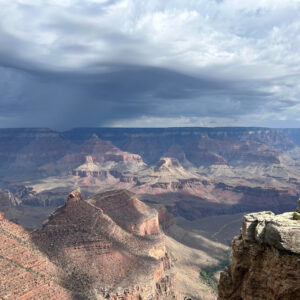
Grand Canyon Reopens on a Limited Basis Following Devastating Floods: What Visitors Need to Know
The Grand Canyon, one of America’s most iconic natural landmarks, recently experienced severe flooding t...
TAMFIS NIG LTDRC 8067447CAC ACTIVEFinima, Bonny Island, Rivers State

Europe is experiencing unprecedented environmental changes as soaring temperatures, widespread wildfires, and prolonged droughts alter its natural and cultural landscapes. These climatic shifts disrupt ecosystems, threaten public safety, and force a reevaluation of traditional travel patterns and tourism economies. Drying rivers and scorched forests are increasingly common, compelling travelers to reconsider where and how they visit. This article examines the multifaceted impact of heat waves and wildfires on European tourism and highlights how travelers and the industry are adapting to these challenges.
Europe has seen a marked increase in the frequency, duration, and intensity of heat waves in recent years. These extreme temperature events have shattered historical records across many countries, creating hazardous conditions for residents and visitors. Health risks such as heat exhaustion and heatstroke have become pressing concerns, especially for vulnerable groups and outdoor tourists.
Concurrently, widespread wildfires have become more frequent, particularly in southern Europe where hot, dry weather and parched vegetation provide ideal conditions for fires to ignite and spread rapidly. Countries including Spain, Italy, Greece, and parts of France have experienced some of the largest and most destructive wildfires in recent memory, resulting in evacuations, property loss, and damage to natural habitats.
Prolonged heat and drought have also caused many rivers and lakes to shrink drastically or dry up. Iconic waterways like the Danube and the Rhône have seen reduced water levels, impacting both ecosystems and tourism activities reliant on these water bodies. These changes threaten water availability for local communities and diminish the scenic and recreational appeal that draws millions of tourists annually.
Beyond immediate safety concerns, these climatic shifts jeopardize the preservation of cultural heritage sites often located in vulnerable natural settings. The increased risk of wildfires and heat-related degradation poses a long-term threat to Europe’s rich historical and ecological treasures.
Europe’s most frequented tourist destinations are bearing the brunt of these climatic changes. Coastal regions, traditionally popular for beaches and outdoor leisure, are experiencing unprecedented heat levels that deter visitors during peak summer months. Extreme temperatures affect comfort and raise health and safety concerns, leading some travelers to avoid these areas during the hottest periods.
Inland destinations with dense forests face dual challenges of wildfire threats and deteriorated air quality caused by smoke. These conditions often result in travel advisories, park closures, and restrictions on outdoor activities, disrupting tourism flows and local economies dependent on visitor spending.
Mediterranean countries such as Spain, Italy, and Greece have reported severe wildfire outbreaks necessitating large-scale evacuations and temporary closures of national parks, heritage sites, and popular hiking trails. The loss of natural landscapes and restricted access to cultural landmarks diminish the tourist experience and can have lasting economic consequences.
Water-based tourism has also been affected by drying rivers. The Danube and Rhône, vital for river cruises and aquatic activities, have experienced low water levels forcing operators to modify routes, reduce trip frequency, or cancel excursions. This impacts tourism revenue and the livelihoods of communities dependent on these services.
These environmental challenges prompt reassessment of destination viability during peak seasons and highlight the vulnerability of Europe’s tourism infrastructure to climate extremes.
Travelers are increasingly adapting their plans and behaviors to mitigate risks and enhance experiences amid these challenges. A notable trend is shifting travel seasons, with many opting to visit Europe during spring or autumn when temperatures are milder and wildfire risks are lower. This seasonal adjustment helps avoid discomfort and hazards associated with extreme summer heat.
Another adaptation is selecting destinations less affected by heat waves and wildfires. Northern European countries with cooler climates and lower wildfire incidence are becoming attractive alternatives. Similarly, travelers explore higher-altitude locations such as mountain resorts, which offer relief from heat and tend to be less environmentally vulnerable.
Sustainable and responsible travel is gaining momentum as tourists seek to minimize their environmental footprint and support communities facing climate-related challenges. This includes choosing accommodations and tour operators that implement eco-friendly practices like energy efficiency, waste reduction, and support for wildfire prevention and recovery.
Technology plays a crucial role by providing real-time updates on weather, wildfire risks, and travel advisories through mobile apps and online platforms. This enables tourists to adjust itineraries dynamically and prioritize safety.
Some travelers engage in climate-conscious activities, such as participating in local conservation projects or supporting businesses that promote environmental resilience, reflecting a broader awareness of tourism’s interconnectedness with climate change.
The tourism industry is proactively responding to climate disruptions by adopting strategies to enhance resilience and sustainability. Diversifying offerings is key, with destinations promoting less vulnerable locations and alternative experiences less dependent on weather-sensitive activities.
Investments in infrastructure improvements aim to better withstand extreme weather events. These include enhancing water management systems to cope with drought, reinforcing facilities against heat stress, and developing emergency response protocols tailored to wildfire scenarios.
Tourism boards and local governments collaborate to raise awareness about environmental challenges and encourage responsible visitor behavior. Educational campaigns emphasize minimizing fire risks, conserving water, and respecting natural habitats.
Restoration efforts in affected natural areas focus on rehabilitating landscapes damaged by fires and drought, supporting ecological recovery and sustaining destination attractiveness for future visitors.
Looking ahead, the persistence of heat waves and wildfires underscores the need for the travel sector to integrate climate resilience into long-term planning. While adaptation is essential, addressing the root causes of climate change through emissions reductions and sustainable development remains critical to preserving Europe’s diverse travel experiences.
The tourism industry’s ability to innovate and collaborate will be vital in navigating the evolving climate landscape and ensuring Europe remains a desirable and safe destination for travelers worldwide.
The rising incidence of heat waves, wildfires, and drought in Europe is fundamentally transforming the continent’s tourism landscape. These environmental challenges compel travelers and the tourism industry to adapt swiftly and thoughtfully. Though significant obstacles exist, they also offer an opportunity to rethink travel practices toward greater sustainability, resilience, and climate awareness. By embracing adaptive strategies, supporting restoration efforts, and committing to climate-conscious initiatives, Europe’s tourism sector can navigate this crisis and work toward a more secure, enjoyable, and environmentally responsible future for visitors and local communities alike.
Originally reported by nytimes.com. Adapted for our readers with AI assistance.
Keep reading
Travel
The Grand Canyon, one of America’s most iconic natural landmarks, recently experienced severe flooding t...
Travel
Japan has emerged as a highly sought-after destination for young British travelers, with visitor numbers...
Travel
In 2026, England celebrated the official opening of the King Charles III England Coast Path, a continuou...
TAMFIS NIG LTD
Electrical and instrumentation engineering, bid preparation and consulting, IT and software.