Science
Gene Editing and the Future of Dog Breeding: Balancing Innovation with Ethics
For centuries, dog breeding has relied on selective mating to enhance desirable traits and reduce unwant...
TAMFIS NIG LTDRC 8067447CAC ACTIVEFinima, Bonny Island, Rivers State

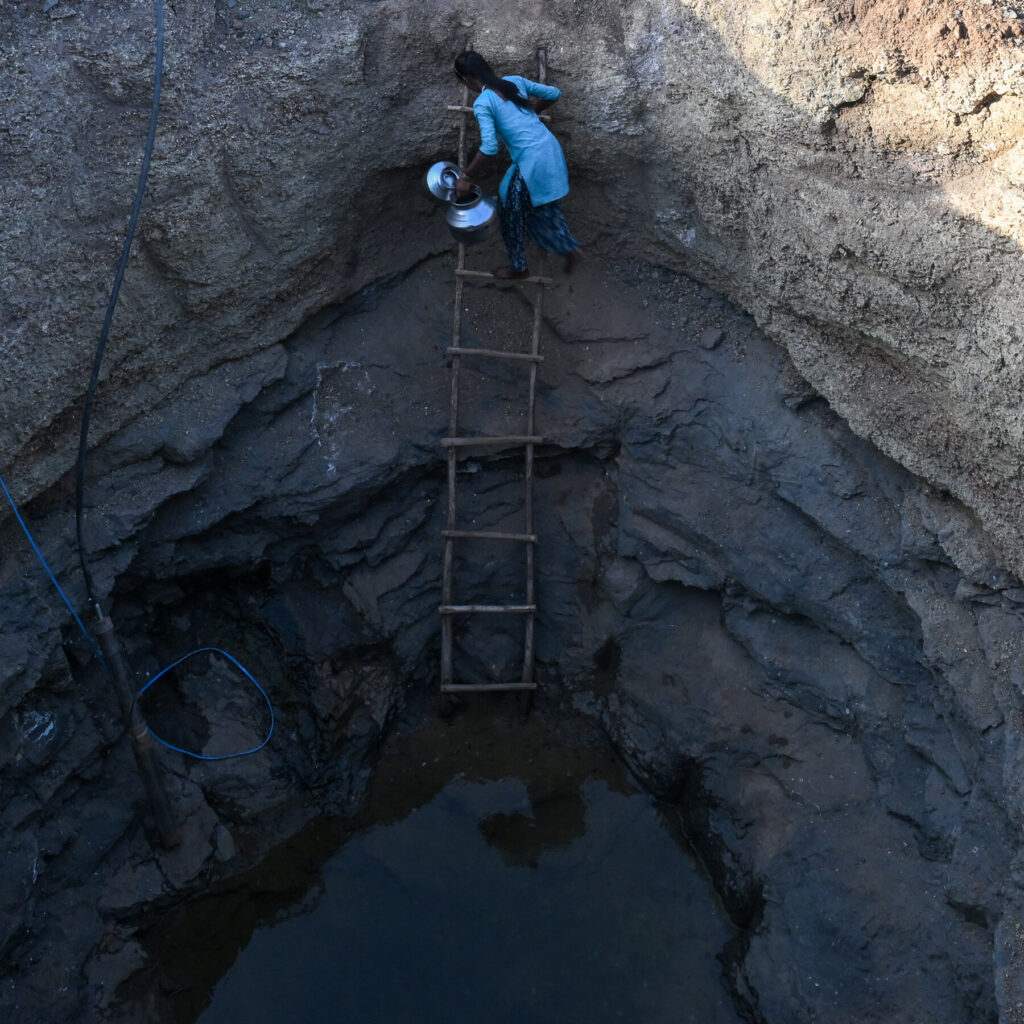
El Niño, a recurring climate pattern characterized by the warming of the central and eastern tropical Pacific Ocean, significantly influences global weather systems. The 2026 El Niño event is shaping up to be one of the most intense on record, with early effects already manifesting across Africa, South America, and Asia. This article explores the unfolding consequences of this phenomenon, highlighting the challenges faced by agriculture and communities, and the broader implications for climate resilience and global food security.
El Niño is a natural climate cycle occurring every two to seven years, characterized by the periodic warming of sea surface temperatures in the central and eastern Pacific Ocean. This warming disrupts typical atmospheric circulation patterns, influencing rainfall, temperature, and storm activity worldwide.
The intensity and duration of El Niño events vary, but strong occurrences can trigger extreme weather conditions such as droughts, floods, and heatwaves in different regions. These changes have profound effects on agriculture, water resources, and ecosystems, making El Niño a critical factor in global climate variability and a key driver of weather-related disasters.
Although the peak of the 2026 El Niño is expected later this year, its early impacts are already evident across three continents. Unusually dry conditions have been reported in parts of Africa, South America, and Asia, signaling disruptions in typical rainfall patterns that are vital for agriculture and water supplies.
In Africa, countries such as Kenya and Ethiopia are experiencing prolonged dry spells, which have led to poor harvests and heightened food insecurity. Similarly, in South America, nations including Peru and Brazil are facing early drought conditions affecting key crops. In Asia, monsoon rains have been delayed or diminished, impacting rice cultivation in countries like India and Thailand.
These early drought conditions are particularly concerning because they reduce the time available for farmers and governments to implement adaptive measures, exacerbating vulnerabilities in communities already stressed by environmental and economic challenges.
Agriculture is among the sectors most immediately affected by El Niño-induced weather changes. In Africa, staple crops such as maize and sorghum are experiencing reduced yields due to prolonged dry spells that limit soil moisture and stunt crop growth. These reductions threaten both local food supplies and livelihoods.
In South America, coffee and soybean production in countries like Brazil and Peru is declining as drought stresses plants and reduces harvest volumes. These crops are significant for both domestic consumption and export markets, meaning that decreased yields can ripple through global commodity prices.
Asia’s reliance on monsoon rains for rice cultivation means that delayed or insufficient precipitation disrupts planting schedules and reduces crop productivity. This not only threatens food availability but also raises concerns about economic stability in rural areas dependent on agriculture.
Overall, these disruptions contribute to increased food insecurity and may drive up prices in global markets, disproportionately affecting vulnerable populations who spend a large share of their income on food.
Beyond agriculture, the dry conditions linked to El Niño increase the risk of wildfires by creating drier vegetation and soils. This poses threats to ecosystems, air quality, and human health, as seen in previous El Niño events.
Water quality and availability are also compromised, especially in regions dependent on consistent rainfall for drinking water and irrigation. Reduced river flows and reservoir levels strain hydropower generation, impacting energy supplies and economic activities.
Economically, countries heavily reliant on agriculture and natural resources may face downturns due to reduced productivity and increased disaster response costs. The early onset of El Niño-related conditions limits the window for governments and organizations to implement mitigation strategies, underscoring the need for improved climate forecasting and preparedness.
These compounded effects highlight the interconnectedness of environmental and economic systems and the importance of proactive management to reduce vulnerability.
Effective response to El Niño requires coordinated efforts at local, national, and international levels. Early warning systems and climate monitoring are vital for providing timely information to farmers, water managers, and policymakers to anticipate and respond to changing conditions.
Investments in drought-resistant crop varieties, improved irrigation techniques, and water conservation practices can enhance agricultural resilience. For example, adopting crops that require less water or have shorter growing cycles helps reduce losses during dry spells.
Diversifying economies and strengthening social safety nets also help communities better withstand shocks associated with extreme weather events. Social programs that provide food assistance or financial support can mitigate the immediate impacts of crop failures.
Long-term strategies must address underlying factors contributing to climate vulnerability, such as land degradation, deforestation, and inadequate infrastructure. Enhancing soil health, restoring ecosystems, and improving water storage capacity reduce the severity of El Niño’s impacts in future cycles.
International cooperation and knowledge sharing are essential to improve forecasting models and develop adaptive strategies tailored to regional needs.
The ongoing El Niño event of 2026 underscores the profound interconnectedness of global climate systems and human livelihoods. Its early impacts across three continents highlight the urgency of enhancing preparedness and resilience to extreme weather phenomena. While El Niño is a natural climate cycle, its consequences are intensified by existing environmental degradation and socioeconomic vulnerabilities. Addressing these challenges requires a comprehensive approach that combines immediate response with long-term climate adaptation strategies. By strengthening early warning systems, investing in resilient agriculture, and improving water management, communities worldwide can better navigate the uncertainties of future El Niño events and safeguard food security and economic stability.
Originally reported by nytimes.com. Adapted for our readers with AI assistance.
Keep reading
Science
For centuries, dog breeding has relied on selective mating to enhance desirable traits and reduce unwant...
Science
Artificial intelligence has traditionally been a human-designed tool, created to perform tasks such as d...
Science
On a clear morning in late August 2026, NASA successfully launched its next-generation space observatory...
TAMFIS NIG LTD
Electrical and instrumentation engineering, bid preparation and consulting, IT and software.