Politics
How Minnesota Figures Into the Presidential Politics of Insulin Prices
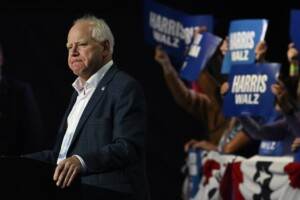
Politics tamfitronics Minnesota Gov. Tim Walz attends a rally in Asheville, North Carolina, on Sept. 17. Minnesota led the way on in...
TAMFIS NIG LTDRC 8067447CAC ACTIVEFinima, Bonny Island, Rivers State


The 2026 primary elections have brought to light significant dynamics within the Democratic Party, especially in Wisconsin where the gubernatorial race remains exceptionally close. This contest not only reflects local political sentiments but also symbolizes a broader national debate between the party’s progressive and moderate wings. As the results continue to unfold, the implications for the upcoming general elections and party unity are becoming increasingly clear.
The Democratic primary for governor in Wisconsin has emerged as one of the most closely watched races in the 2026 primaries. Early results show a near tie between candidates representing the progressive and moderate factions of the party. This tight race highlights the deep divisions within the Democratic base and illustrates the challenges both wings face in securing broad support.
Wisconsin’s political landscape has long been a battleground state, with its electorate often reflecting the nation’s broader ideological divides. The current gubernatorial primary exemplifies these divides as voters weigh competing visions for the state's future amidst ongoing economic, social, and political pressures. The closeness of the race underscores how evenly split the Democratic electorate is between calls for transformative change and a more measured approach to governance.
This razor-thin margin underscores the intensity of the contest and the high stakes involved. Both candidates have mobilized substantial grassroots support, with progressive voters advocating for sweeping reforms and moderates emphasizing stability and incremental progress. The outcome in Wisconsin is being closely watched as an indicator of which faction may gain momentum heading into the general election.
The Wisconsin primary serves as a microcosm of the ongoing ideological struggle within the Democratic Party nationwide. Progressives advocate for bold reforms on key issues such as healthcare, climate change, and social justice, pushing for systemic changes that address longstanding inequalities. On the other hand, moderates emphasize pragmatic approaches, favoring incremental change and policies designed to appeal to a broader electorate.
This ideological tension shapes candidate platforms and campaign strategies across the country, influencing how Democrats position themselves not only in primaries but also in preparation for general elections. The outcome of the Wisconsin race could have far-reaching consequences, potentially signaling a shift in the party’s direction. A win for the progressive candidate might embolden similar campaigns elsewhere, encouraging a push toward more transformative policies. Conversely, a moderate victory could reinforce centrist tendencies within the party, aiming to maintain appeal among swing voters and those wary of rapid change.
Nationally, this battle reflects deeper questions about the Democratic Party’s identity and strategy. Progressives argue that bold policy changes are necessary to address systemic issues and energize the base, while moderates caution that too rapid a shift could alienate key constituencies and jeopardize electoral success. The Wisconsin race crystallizes these competing visions, making it a bellwether for the party’s future trajectory.
The close contest in Wisconsin raises critical questions about the Democratic Party’s ability to unify its diverse factions. While competitive primaries can energize the base by highlighting vibrant debate and choice, prolonged divisions risk alienating voters and weakening the party’s prospects in the general election. Both progressive and moderate wings must navigate these tensions carefully to maintain momentum and build coalitions that can withstand the challenges of a polarized political environment.
Voter engagement in the primaries also offers insight into the electorate’s appetite for change versus stability. High turnout and enthusiasm for either candidate could indicate strong support for their respective platforms, suggesting that voters are motivated by clear visions for the future. Conversely, signs of voter fatigue or apathy might signal challenges ahead for mobilizing the base, particularly if the party struggles to reconcile its internal differences.
Moreover, how candidates and party leaders manage post-primary reconciliation will be pivotal. Efforts to bridge divides, foster dialogue, and present a united front will be essential to galvanize Democratic voters for the general election. Failure to do so could lead to fractured support and diminished electoral prospects in a politically competitive state like Wisconsin.
Beyond Wisconsin, the 2026 primaries have revealed several key trends that reflect the evolving priorities within the Democratic Party. In states like South Carolina and Minnesota, similar contests have showcased the balancing act candidates must perform between progressive ideals and moderate pragmatism. These races collectively highlight how Democratic voters are negotiating their desires for bold policy changes with concerns about electability and governance.
Additionally, these primaries underscore the importance of local issues and candidate appeal. While national narratives about party ideology are influential, individual races often hinge on candidates’ connections to their communities and their ability to address specific regional concerns. This dynamic demonstrates that even amid broader ideological battles, grassroots engagement and responsiveness to local needs remain critical to electoral success.
These trends suggest that the Democratic Party is grappling with how to unify diverse constituencies while addressing both national challenges and local priorities. The outcomes of these primaries will likely influence the party’s strategic decisions and messaging as it prepares for the 2026 general elections.
As the Wisconsin gubernatorial primary remains undecided, attention will focus on the final vote counts and the possibility of recounts given the narrow margins. The outcome could set the tone for upcoming primaries and influence candidate endorsements, campaign funding, and strategic alliances within the party.
Observers will also be monitoring how candidates from both sides respond post-primary, particularly regarding outreach to opposing factions and efforts to unify the party ahead of the general election. The strategies adopted in Wisconsin may serve as a blueprint for managing intra-party dynamics nationwide, offering lessons on balancing ideological diversity with the need for cohesion in competitive electoral environments.
Furthermore, the national Democratic Party will likely scrutinize these developments to refine its approach to candidate support and messaging. The lessons learned from Wisconsin’s tight race could inform broader efforts to strengthen party unity and enhance voter mobilization in the months leading up to the general election.
The 2026 primaries, epitomized by the tight Wisconsin gubernatorial race, underscore the Democratic Party’s ongoing internal debate between progressive ambition and moderate pragmatism. While the final outcome remains uncertain, the contest highlights the complexities of balancing diverse viewpoints within a single party. Moving forward, how candidates and party leaders manage these divisions will be crucial to shaping the party’s future and its ability to effectively compete in general elections. Understanding these dynamics provides valuable context for voters and political observers alike as the nation prepares for the next electoral cycle.
Originally reported by nytimes.com. Adapted for our readers with AI assistance.
Keep reading
Politics
Politics tamfitronics Minnesota Gov. Tim Walz attends a rally in Asheville, North Carolina, on Sept. 17. Minnesota led the way on in...
Politics
Deji Adeyanju; Niger State Mining Victims Human rights lawyer and activist, Deji Adeyanju, has accepted his appointment as a member of the Federal Government’s…
Politics
Democracy, Featured, Global, Global Governance, Headlines, International Justice, IPS UN: Inside the Glasshouse, TerraViva United Nations UNITED NATIONS, Sep 11 2026 (IPS) – When…
TAMFIS NIG LTD
Electrical and instrumentation engineering, bid preparation and consulting, IT and software.