Environment
Environmental Crisis in the Arabian Sea: Oil Spill Threatens Vital Bird and Turtle Habitats
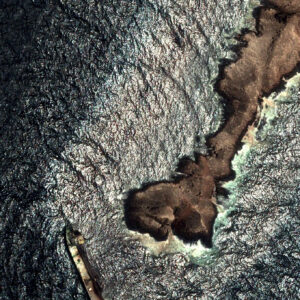
The Arabian Sea, a critical marine corridor near the Strait of Hormuz, has recently suffered a significa...
TAMFIS NIG LTDRC 8067447CAC ACTIVEFinima, Bonny Island, Rivers State

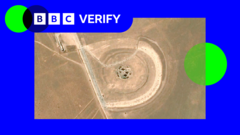
The United Kingdom has experienced an unusually hot and dry summer in 2026, with consecutive heatwaves pushing temperatures well above average. This extreme weather has not only affected daily life but has also visibly altered the landscape across large parts of England, Wales, and Scotland. From the brown grass surrounding Stonehenge to shrinking reservoirs and algal blooms in urban lakes, satellite imagery offers a stark visual record of the impact. This article explores the key changes observed this summer, the underlying causes, and the broader implications for water management, agriculture, and the environment.
One of the most tangible effects of the summer’s dry spell has been the drop in water levels across reservoirs in England and Wales. Nearly all reservoirs are now classified as having below-normal or low water levels, with five reservoirs, including the Clywedog reservoir in Powys, reaching exceptionally low levels. This reservoir is a crucial water source for parts of the West Midlands, and satellite images comparing August 2025 to August 2026 reveal significantly more exposed banks this year.
Despite these declines, reservoir levels are not the primary trigger for recent hosepipe bans and drought declarations. These measures are mainly driven by a lack of rainfall rather than reservoir storage alone. The Environment Agency reports that reservoir storage in England currently stands at 69%, below the long-term average of 82% for this time of year but still higher than during last year’s drought. This suggests that while water reserves are under pressure, they are not yet at crisis levels.
Scotland has experienced less severe drought conditions, but southern and eastern regions saw below-average rainfall in July. The Scottish Environment Protection Agency has issued warnings of significant water scarcity in the Borders and moderate scarcity in eastern areas, highlighting that water stress is becoming a concern beyond England and Wales.
The impact of the dry weather extends beyond water supplies to the appearance and usability of some of the UK’s most famous green spaces. For example, the rolling fields around Stonehenge in south Wiltshire, typically lush and green, have turned pale and brown. This discoloration is a visible sign of 'vegetation stress,' a condition where plants and grass suffer from insufficient water and heat stress.
In London’s Hyde Park, the Serpentine lake was closed to swimming due to a bloom of blue-green algae, a phenomenon that thrives in warm, sunny, and stagnant water conditions. This algal bloom poses health risks to people and animals, underscoring how dry weather can lead to secondary environmental hazards. Satellite images also show that much of Hyde Park’s grass has turned brown after months of heatwaves since May.
Golf courses have also felt the effects. During the recent Open Championship at Royal Birkdale, players and spectators noted the unusually dry and hard fairways. While greens and tees were irrigated as allowed under hosepipe ban regulations, fairways remained brown and dry. Comparing satellite images from 2025 and 2026 clearly shows the difference in turf health, illustrating the challenges faced by sports venues in maintaining playable conditions during drought.
The prolonged dry conditions have raised alarms among agricultural experts. Vegetation stress on crops and pastureland can reduce yields and affect the quality of produce. While grass and some plants can recover after rainfall returns, the extended period of dryness increases the risk of long-term damage, especially if root systems are compromised.
This summer’s drought could have ripple effects on the farming industry, potentially leading to higher food prices in the coming months. Reduced water availability for irrigation and poor soil moisture levels challenge farmers’ ability to maintain productivity. The situation underscores the vulnerability of UK agriculture to climate variability and extreme weather events.
Interestingly, dry weather can paradoxically increase the risk of flash flooding when rain eventually arrives. Parched, hardened soil struggles to absorb water quickly, causing excess runoff that can overwhelm drainage systems. This dynamic complicates water management strategies and highlights the need for adaptive approaches in a changing climate.
Scientists warn that the UK faces growing risks of water shortages in the decades ahead, driven by human-induced climate change and rising demand. Warmer temperatures and altered rainfall patterns are expected to increase the frequency and severity of droughts, stressing water infrastructure and natural ecosystems.
The current summer’s conditions offer a glimpse into a future where water scarcity may become more common. Policymakers and water authorities are tasked with balancing supply and demand, protecting environmental flows, and preparing for more extreme weather events.
Measures such as hosepipe bans, improved reservoir management, and public awareness campaigns are part of the short-term response. However, long-term solutions will likely require investment in water efficiency, infrastructure upgrades, and sustainable land management practices to mitigate the impacts of climate change on water resources.
This summer’s satellite images provide a vivid snapshot of how extreme heat and drought are reshaping the UK’s environment, from historic landmarks to urban parks and reservoirs. While current water levels and vegetation conditions are concerning, they also serve as a warning of the challenges ahead as climate change intensifies. Addressing these issues requires coordinated efforts across government, industry, and communities to ensure sustainable water use, protect ecosystems, and support agricultural resilience. Understanding and adapting to these changes will be crucial for safeguarding the UK’s natural and cultural heritage in a warming world.
Originally reported by bbc.co.uk. Adapted for our readers with AI assistance.
Keep reading
Environment
The Arabian Sea, a critical marine corridor near the Strait of Hormuz, has recently suffered a significa...
Environment
As England and Wales face unprecedented drought conditions coupled with soaring temperatures, the risk o...
Environment
England is grappling with a severe drought crisis as more than two-thirds of the country has been declar...
TAMFIS NIG LTD
Electrical and instrumentation engineering, bid preparation and consulting, IT and software.