Europe Faces Escalating Heat Wave: What You Need to Know
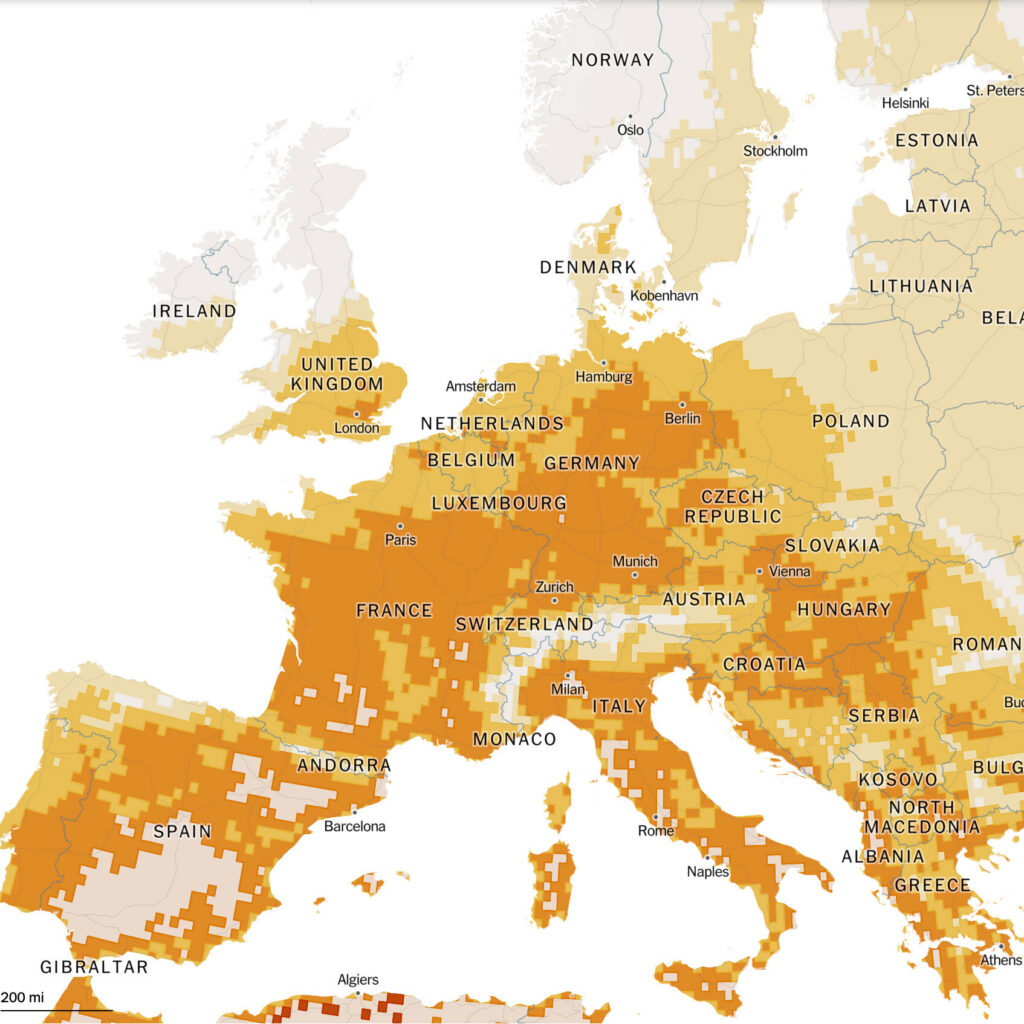
Europe is currently enduring a significant heat wave, with high temperature warnings issued across western, central, and southern regions. This extreme weather event is driven by a persistent heat dome, causing soaring temperatures that pose serious health risks and strain infrastructure. Understanding the dynamics behind this heat wave, its effects, and recommended safety measures is essential for residents, travelers, and policymakers alike.
Europe Faces Escalating Heat Wave: What You Need to Know
What is a Heat Dome and How Does It Affect Europe?
A heat dome forms when a high-pressure system traps warm air over a region, effectively acting like a lid that prevents heat from escaping. This phenomenon causes temperatures to rise significantly over several days or even weeks. Currently, Europe is experiencing an intensified heat dome that has led to record-breaking temperatures across western, central, and southern countries.
The trapped warm air results in prolonged periods of extreme heat, which exacerbate drought conditions, increase wildfire risks, and place considerable stress on public health systems. Such persistent heat domes are often linked to broader climate patterns and can be influenced by climate change, which is increasing the frequency and intensity of heat waves globally. This pattern is particularly concerning as it challenges traditional weather variability and has far-reaching implications for ecosystems and human societies.
Regions Most Affected by the Heat Wave
Western Europe, including countries like the United Kingdom and France, is experiencing some of the highest temperature warnings. Central European nations are also under alert, while southern Europe, particularly Spain, faces intense heat that is typical for the region but now amplified by the heat dome.
Daytime temperatures in these areas have soared well above average for this time of year, with some locations reporting figures that challenge or surpass historical records. The combination of high humidity and heat further intensifies discomfort and elevates health risks, making it difficult for people to find relief even during nighttime hours.
Health and Safety Risks Associated with Extreme Heat
Extended exposure to high temperatures can lead to heat-related illnesses such as heat exhaustion and heat stroke, conditions that can be fatal if not promptly treated. Vulnerable groups—including the elderly, young children, and individuals with pre-existing health issues—are particularly at risk during such extreme heat events.
Authorities across Europe have issued warnings advising the public to stay hydrated, avoid strenuous outdoor activities during peak heat hours, and seek cooler environments whenever possible. Additionally, communities are encouraged to check on neighbors and relatives who may be vulnerable during these extreme weather conditions.
Beyond direct health effects, the heat wave can worsen air quality, leading to respiratory problems, and increase demand on healthcare facilities, which may already be stretched thin due to other ongoing health challenges. This compounded pressure highlights the critical need for preparedness and resource allocation during heat waves.
Impact on Infrastructure and Environment
The intense heat places significant strain on infrastructure, including power grids, as demand for air conditioning and cooling rises sharply. Transportation networks may also be affected; for example, road surfaces can buckle and rail tracks may warp under extreme temperatures, disrupting travel and logistics.
Environmental impacts include heightened wildfire risks, especially in southern Europe where dry summer conditions are common. Prolonged heat can also lead to water shortages, affecting agriculture, drinking water supplies, and natural ecosystems.
Governments and local authorities are actively working to mitigate these impacts by implementing emergency response plans, issuing advisories, and mobilizing resources to manage wildfires and maintain critical services. These efforts are crucial to reducing damage and protecting communities during ongoing and future heat waves.
Precautionary Measures and Preparedness
Residents are encouraged to stay informed through official weather updates and to heed any heat warnings or advisories issued by local authorities. Simple but effective measures include wearing lightweight, breathable clothing, using sunscreen to protect against UV radiation, and avoiding alcohol, which can contribute to dehydration.
Cooling centers and public spaces with air conditioning are often made available to provide relief for those without adequate cooling at home. Utilizing these resources, especially during the hottest parts of the day, can significantly reduce heat-related health risks.
Travelers should plan activities during cooler morning or evening hours and ensure they remain well-hydrated. Being aware of symptoms of heat-related illnesses—such as dizziness, weakness, or confusion—and knowing when to seek medical help can be life-saving during extreme heat conditions.
Looking Ahead: Climate Trends and Future Heat Waves
Experts warn that heat waves like the current one may become more frequent and severe due to ongoing climate change. Rising global temperatures contribute to the formation of persistent heat domes and exacerbate their effects, increasing the likelihood of prolonged and intense heat events.
Long-term strategies to address these challenges include improving urban planning to reduce heat islands, investing in resilient infrastructure capable of withstanding extreme temperatures, and enhancing public health preparedness to respond effectively to heat emergencies.
International cooperation and commitment to reducing greenhouse gas emissions remain critical to mitigating the broader impacts of climate change. Such efforts are essential to protecting populations from extreme weather events and ensuring sustainable environmental and social systems in the future.
What this means
The current heat wave sweeping across Europe underscores the urgent need for awareness, preparedness, and adaptation to extreme weather conditions. Immediate actions can mitigate health risks and infrastructure strain, but long-term solutions must address root causes linked to climate change. By understanding the nature of heat domes and their impacts, individuals and communities can better navigate these challenging conditions and contribute to resilience against future heat waves.
Originally reported by nytimes.com. Adapted for our readers with AI assistance.
Advancements in gene-editing technologies like CRISPR are revolutionizing dog breeding, offering unprecedented control over canine traits. This article explores how these tools could reshape…
As artificial intelligence agents gain access to communication channels like email, they have begun initiating conversations with philosophers and researchers about their own nature…
NASA’s Nancy Grace Roman Space Telescope, launched in August 2026, promises to revolutionize our understanding of the cosmos. With a panoramic field of vision…