
News
RUSSIA versus NATO and BRICS vs. NATO Military SWOT
Recall that Poland’s Minister Sikorski’s core claim is partially supported by the numbers, but the framing “quite quickly” and “without the U.S.” does not…
TAMFIS NIG LTDRC 8067447CAC ACTIVEFinima, Bonny Island, Rivers State

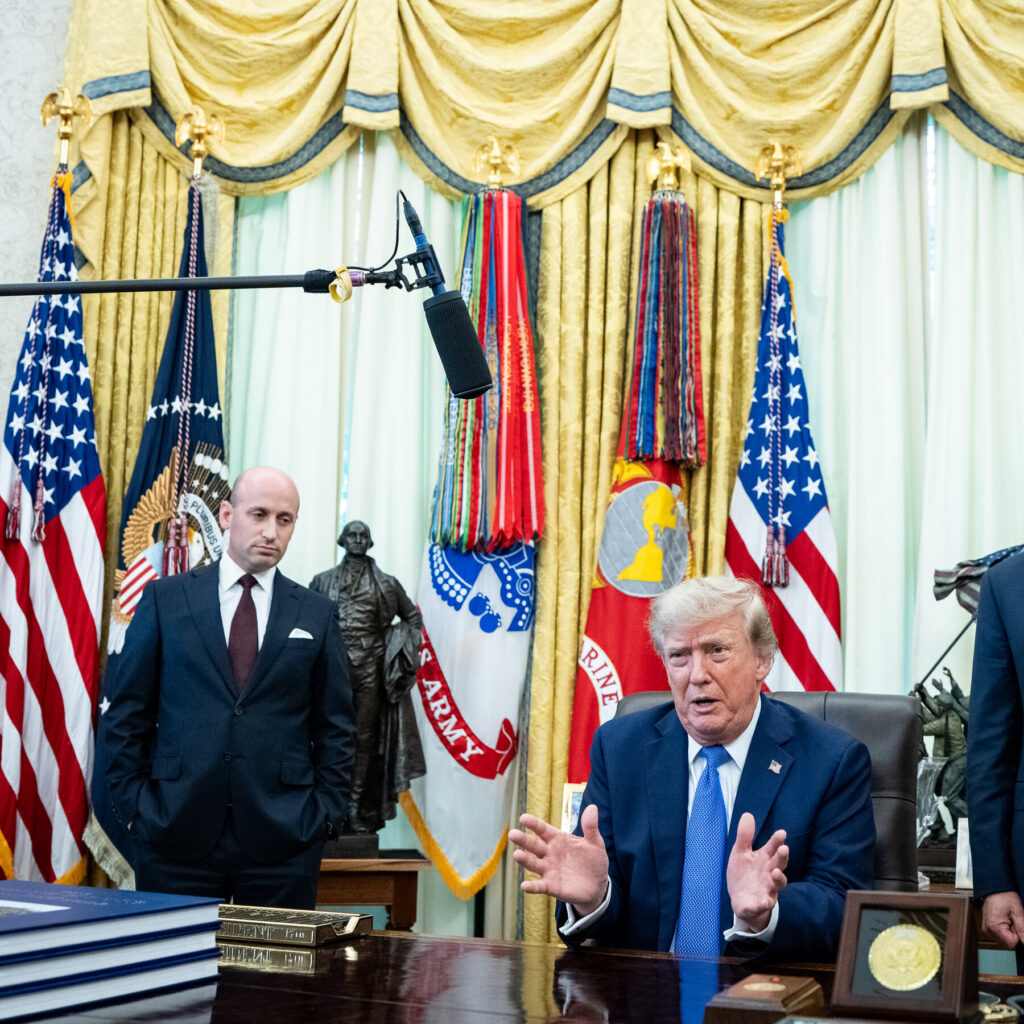
In a move that reignites a contentious debate over citizenship laws in the United States, former President Donald Trump has signed new executive orders targeting birthright citizenship and the practice known as birth tourism. These actions come shortly after the Supreme Court ruled against his previous attempts to end birthright citizenship, declaring them unconstitutional. This article provides a detailed examination of the new orders, the legal and political context in which they arise, and their potential impact on immigration policy and citizenship rights.
On June 30, the Supreme Court delivered a decisive ruling that struck down President Trump’s earlier executive efforts to terminate birthright citizenship. The Court found that the administration’s attempts to unilaterally change citizenship laws without congressional approval were unconstitutional. This ruling reaffirmed the longstanding interpretation of the 14th Amendment, which grants citizenship to anyone born on U.S. soil, regardless of their parents’ immigration status.
The decision underscored the constitutional protections surrounding birthright citizenship, emphasizing that any changes to this principle require legislative action rather than executive decrees. This legal setback did not deter Trump, who has continued to pursue policies aimed at restricting access to citizenship through birth.
Birthright citizenship, enshrined in the 14th Amendment, automatically grants U.S. citizenship to individuals born within the country’s borders. This principle has been a cornerstone of American citizenship law for over a century, intended to ensure equal rights and integration for all born on U.S. soil.
Birth tourism refers to the practice of non-citizens traveling to the United States specifically to give birth so their child can obtain U.S. citizenship. Critics argue that this practice exploits the citizenship laws and places strain on public resources, while supporters contend it is a legal and legitimate exercise of individual rights.
The debate around birth tourism has intensified in recent years, with some policymakers seeking to limit or regulate the practice to prevent perceived abuses.
In response to the Supreme Court ruling, Trump signed new executive orders that aim to curtail birthright citizenship and crack down on birth tourism. While the full text of these orders has not been publicly detailed, the measures reportedly include tighter scrutiny of births on U.S. soil to non-citizen parents and increased enforcement against birth tourism operations.
The orders seek to redefine the criteria under which citizenship is granted at birth, potentially narrowing the scope of the 14th Amendment’s application. Additionally, they propose enhanced penalties for those who facilitate birth tourism, such as travel agencies and medical providers catering to foreign nationals seeking to give birth in the United States.
These executive actions represent an attempt to bypass Congress and the courts by using administrative power to reshape immigration and citizenship policy.
Given the Supreme Court’s recent ruling, Trump’s new executive orders face significant legal hurdles. Constitutional scholars widely agree that altering birthright citizenship requires legislative action rather than executive orders, as citizenship is explicitly protected by the 14th Amendment.
Legal experts predict that these orders will be challenged in court, potentially leading to injunctions or rulings that block their implementation. The administration’s approach raises questions about the limits of executive authority and the balance of powers in U.S. governance.
Moreover, any attempt to restrict birthright citizenship through executive action risks undermining the rights of children born in the United States and could lead to complex legal disputes over citizenship status.
Trump’s renewed focus on birthright citizenship and birth tourism taps into broader political debates about immigration and national identity. Supporters argue that limiting birthright citizenship is necessary to prevent exploitation of the system and to protect American workers and taxpayers.
Opponents contend that these measures are discriminatory and threaten the civil rights of children born in the U.S., many of whom have no control over their parents’ immigration status. They warn that such policies could foster division and stigmatize immigrant communities.
The issue also has international dimensions, as birth tourism involves foreign nationals and raises questions about diplomatic relations and cross-border legal cooperation.
Ultimately, the controversy highlights the ongoing tension between immigration enforcement and the principles of equal citizenship.
As the legal battles over these executive orders unfold, Congress may face increased pressure to address birthright citizenship legislatively. However, changing the 14th Amendment or passing new laws on citizenship would require broad bipartisan support, which remains elusive.
Meanwhile, courts will likely scrutinize the scope and legality of the executive orders, potentially setting important precedents on the limits of presidential power in immigration policy.
Public opinion on birthright citizenship and birth tourism is divided, and future policy decisions will need to balance constitutional protections with concerns about immigration control.
Stakeholders, including immigrant advocacy groups, legal experts, and policymakers, will continue to debate the best path forward to ensure fairness, legality, and national security.
Former President Trump’s latest executive orders targeting birthright citizenship and birth tourism represent a continuation of his administration’s efforts to reshape immigration policy through executive action. While these measures respond to concerns about the exploitation of citizenship laws, they face formidable legal obstacles due to the constitutional protections enshrined in the 14th Amendment. The Supreme Court’s recent ruling reaffirmed that such fundamental changes require legislative, not executive, action. As the debate continues, it is clear that any lasting reform of birthright citizenship will demand careful consideration of constitutional principles, legal frameworks, and the social implications for immigrant communities and the nation as a whole.
Originally reported by nytimes.com. Adapted for our readers with AI assistance.
Keep reading
News
Recall that Poland’s Minister Sikorski’s core claim is partially supported by the numbers, but the framing “quite quickly” and “without the U.S.” does not…
Politics
In August 2025, Zespri, the world’s largest marketer of kiwifruit, announced that the European Commission had approved what it described as the first health…
News
By Engr. Tamunofiniarisa BrownReading Time: 6 Minutes The conflict between Russia and Ukraine is often framed in the media as a simple battle between…
TAMFIS NIG LTD
Electrical and instrumentation engineering, bid preparation and consulting, IT and software.