Oil Prices Plunge Amid US-Iran Ceasefire: What It Means for Global Markets and Inflation
The global oil market has experienced a significant price correction after a period of heightened volatility driven by conflict between the United States and Iran. Brent crude, the international benchmark, fell by more than 9%, dipping below $88 per barrel after briefly surpassing $100 last week. This sudden drop follows announcements from both sides indicating a pause in military attacks, raising hopes for diplomatic progress. Understanding the factors behind this price movement and its potential impact on economies worldwide requires a closer look at the geopolitical dynamics, the strategic importance of shipping routes, and the ripple effects on inflation and monetary policy.
Oil Prices Plunge Amid US-Iran Ceasefire: What It Means for Global Markets and Inflation
The Geopolitical Context: US-Iran Conflict and Its Impact on Oil
The recent escalation in tensions between the United States and Iran has had a profound effect on global oil markets. The conflict intensified after the collapse of a ceasefire agreement earlier in July, which had initially brought some stability to the region. The Strait of Hormuz, a critical chokepoint through which approximately 20% of the world’s oil and liquefied natural gas (LNG) passes, became effectively closed due to hostilities. This disruption sent oil prices soaring as traders feared prolonged supply shortages.
In June, a memorandum of understanding between the US and Iran aimed to halt military operations and reopen the strait, which helped bring oil prices down to around $70 per barrel, near pre-conflict levels. However, the breakdown of this agreement reignited concerns about energy security, pushing prices back above $100 per barrel last week.
Adding to the instability, attacks by the Houthi militia in Yemen targeted oil tankers in the Red Sea, threatening alternative export routes used by Saudi Arabia to bypass the Strait of Hormuz. These developments compounded fears about the reliability of global oil supply chains.
The Recent Pause in Attacks: A Turning Point for Oil Prices
On Sunday, the US ambassador to the United Nations announced that attacks on Iran had been paused for a second consecutive night, an effort to create space for diplomatic talks. Iran’s military spokesperson confirmed that Tehran had halted retaliatory strikes in the region. This mutual pause has been interpreted by markets as a hopeful sign that dialogue could lead to a more lasting resolution.
The immediate market reaction was a sharp decline in Brent crude prices, which fell by over 9% to below $88 per barrel at one point. This represents a significant reversal from the previous week’s peak and reflects investor optimism about reduced geopolitical risk.
Despite this positive development, analysts remain cautious. Susannah Streeter, chief investment strategist at Wealth Club, noted that the market is wary of the conflict’s unpredictable nature and uncertain whether negotiations will yield a durable peace. The volatility seen in recent weeks underscores the fragility of the situation.
Economic Implications: Inflation, Fuel Costs, and Monetary Policy
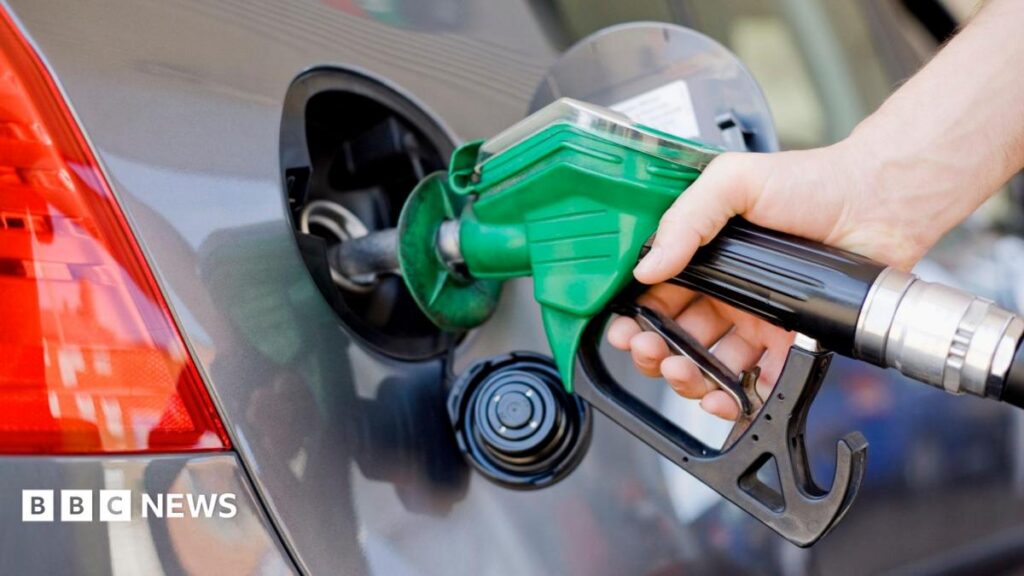
The fluctuations in oil prices driven by the US-Iran conflict have tangible effects on everyday consumers and broader economies. Higher crude prices translate into increased costs for petrol and diesel, which in turn affect transportation and production expenses across various sectors.
These cost increases often cascade into higher prices for goods and services, including food, as businesses pass on their elevated expenses to customers. This dynamic contributes to rising inflation rates, which central banks closely monitor when setting interest rates.
Inflationary pressures linked to energy costs have already influenced monetary policy decisions. For example, the European Central Bank raised its key interest rate in June for the first time in nearly three years, citing inflation pressures exacerbated by the conflict.
In the United Kingdom, expectations of interest rate cuts earlier in the year have been reversed due to the conflict’s impact on inflation. Financial markets now anticipate a potential rate increase by the Bank of England later in 2026. The Bank’s upcoming meeting is expected to maintain the current rate at 3.75%, reflecting a cautious approach amid ongoing uncertainty.
The Strategic Importance of the Strait of Hormuz and Alternative Routes
The Strait of Hormuz is a narrow waterway between the Persian Gulf and the Gulf of Oman, serving as a vital artery for global energy supplies. Approximately one-fifth of the world’s oil and LNG passes through this route, making it a strategic focal point in geopolitical conflicts involving Iran.
The closure or disruption of the strait has immediate consequences for global energy markets, as it constrains supply and elevates the risk premium on oil prices. The recent conflict underscored this vulnerability when the strait was effectively closed due to military actions.
In response to these risks, Saudi Arabia has utilized alternative export routes, such as pipelines that bypass the strait, to maintain oil flow. However, attacks by the Houthi militia on tankers in the Red Sea threaten these alternative pathways, highlighting the broader regional instability affecting energy logistics.
The fragility of these routes emphasizes the interconnectedness of geopolitical stability and energy security, with any disruption capable of triggering significant market reactions.
Market Sentiment and Future Outlook
The recent price drop in oil reflects a tentative optimism among investors that the ceasefire and subsequent talks between the US and Iran might lead to a de-escalation of hostilities. However, the market remains guarded due to the conflict’s history of sudden reversals and the complex regional dynamics.
Analysts caution that while the pause in attacks is a positive development, it is too early to declare a lasting peace. The situation remains fluid, with the potential for renewed violence if diplomatic efforts falter.
Investors and policymakers alike are closely monitoring the negotiations and regional security developments, aware that any further disruption could rapidly push oil prices higher again, with attendant economic consequences.
In the meantime, the current price correction offers some relief to consumers and businesses facing elevated fuel costs, but the underlying uncertainties mean that volatility is likely to persist.
What this means
The recent de-escalation between the US and Iran has brought a welcome respite to volatile oil markets, reflected in a notable drop in crude prices. This development underscores the profound influence geopolitical conflicts exert on global energy supplies and economic stability. While the pause in attacks offers hope for a diplomatic breakthrough, the situation remains precarious, with significant risks still present. For consumers and policymakers, the evolving dynamics of this conflict will continue to shape fuel costs, inflation trends, and monetary policy decisions in the months ahead. Vigilance and adaptability remain essential as the world watches closely for signs of lasting peace or renewed tensions.
Originally reported by bbc.co.uk. Adapted for our readers with AI assistance.
Thousands of young protesters in Delhi continue to demand education reforms and the resignation of Education Minister Dharmendra Pradhan after a police crackdown. The…
Facing a looming financial collapse, Thames Water’s main lenders have offered the UK government a ‘golden share’ and increased local authority involvement to avoid…
Facing record-breaking temperatures and severe drought, Thames Water has introduced a hosepipe ban impacting over 10 million customers across parts of southern England to…