
Business
Nigeria’s Economic Performance: Domestic Debt Rise and Agriculture Trade Shift in Q2 2026
Nigeria's economic landscape in the second quarter of 2026 presents a mixed picture of fiscal press...
TAMFIS NIG LTDRC 8067447CAC ACTIVEFinima, Bonny Island, Rivers State

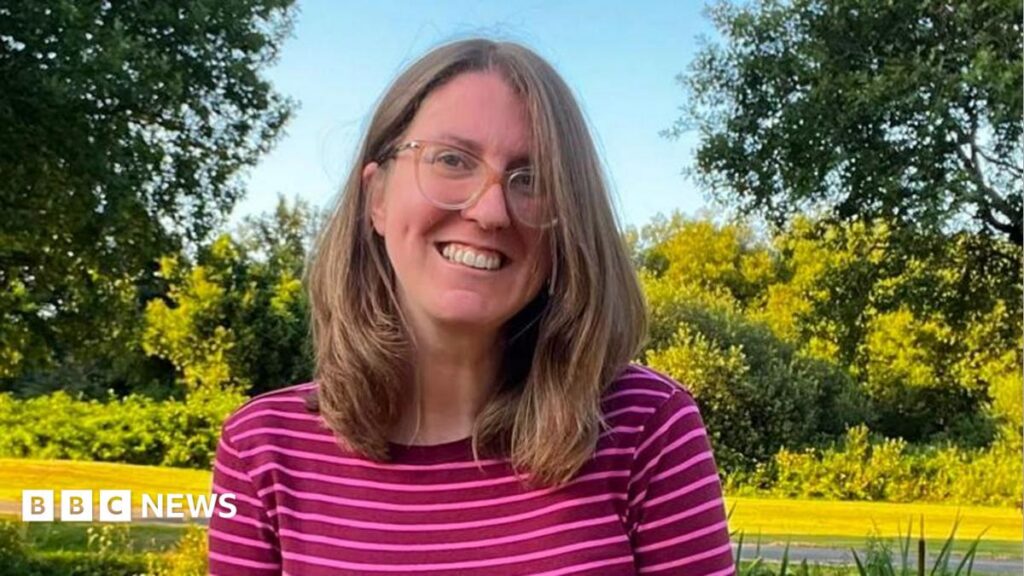
The recent heatwave that swept through England, marking the warmest June on record, has done more than push temperatures to uncomfortable levels—it has brought into sharp focus a growing psychological burden known as climate anxiety. For many, the relentless heat is not just a physical ordeal but a trigger for deep-seated fears about the future, especially among younger generations and women. This article explores the real-life impact of heatwave-induced distress, drawing on personal stories and expert insights to offer practical guidance for managing this increasingly recognised form of mental distress. With extreme weather events expected to become more frequent, understanding and addressing climate anxiety is no longer optional—it is essential for individual wellbeing and community resilience.
During the peak of June's heatwave, individuals across England reported overwhelming feelings of dread and helplessness as temperatures soared. Tavia Watts, a 36-year-old stay-at-home mother from Cheltenham, described the experience as feeling 'like the world is literally ending,' particularly worrying for her young children whose bedroom temperatures exceeded 30°C. Her emotional distress, including bouts of crying during bedtime routines, resonated widely after she shared a candid video on Instagram that garnered thousands of likes and reposts. Similarly, Lizzie Ellen, a 38-year-old new mother from west London, spoke of obsessively monitoring the heat while struggling to keep her baby cool indoors, expressing deep uncertainty about what such extreme conditions might mean for her child's future. These personal accounts highlight how heatwaves are not merely meteorological events but psychological stressors that can disrupt daily life and emotional stability.
Climate anxiety, now acknowledged by health professionals and the NHS as a legitimate form of mental distress, is characterised by anticipatory fear related to climate events such as heatwaves, floods, and wildfires. A 2022 study from the University of Bath estimates that 4.6% of the UK population experiences this condition, with young people and women disproportionately affected. Psychologists Dr Caroline Hickman and Dr Emma Lawrance explain that repeated exposure to climate-related disasters fosters a persistent sense of environmental insecurity and mistrust in the planet's ability to sustain life. This chronic stress can escalate into severe emotional responses, including suicidal ideation and life-altering decisions such as relocating to cooler regions or reconsidering family planning. The cyclical nature of extreme weather reinforces a belief that the world is becoming increasingly unsafe, trapping individuals in a loop of anxiety and helplessness that undermines mental wellbeing.
For some, climate anxiety becomes a catalyst for meaningful change. Ecologist Dr Francis Windram relocated from Ascot to Lancaster to escape the intensifying heat in southern England, though he remains concerned for relatives in hotter areas and has invested in portable air conditioning as a practical safeguard. Others, like Tavia Watts, have channelled their distress into activism—signing petitions, organising local environmental events, and adopting a vegetarian lifestyle as a personal commitment to sustainability. These actions, while varied, share a common thread: they restore a sense of agency in the face of overwhelming global challenges. Psychologists note that such proactive responses can transform paralysing fear into constructive energy, helping individuals cope not by denying the threat but by engaging with it in ways that feel meaningful and attainable.
Mental health professionals stress that social connection is a vital antidote to the isolation often felt by those experiencing climate anxiety. Dr Emma Lawrance warns against the misconception that concern for the planet is uncommon, which can deepen feelings of alienation. She recommends joining supportive communities such as the Climate Psychology Alliance, the Resilience Project, the Climate Cares Centre, or the Climate Majority Project to find solidarity and shared purpose. Physical self-care is equally critical during heatwaves—simple steps like taking cool showers, using cold compresses, and staying well-hydrated can alleviate both bodily strain and mental tension. Practising self-compassion, recognising that anxiety arises from genuine care for the world, allows individuals to treat themselves with kindness rather than judgment, fostering emotional resilience in the face of ongoing environmental uncertainty.
While staying informed about climate change is important, experts caution against slipping into 'doomism'—a mindset of despair that can lead to paralysis and inaction. Tavia Watts reflects on this dual path: individuals may either succumb to hopelessness or harness their fears into purposeful effort. Maintaining balance requires setting realistic goals, seeking ongoing support, and participating in collective initiatives. By focusing on achievable actions—whether reducing personal carbon footprints, advocating for policy change, or simply checking in on neighbours during heatwaves—people can sustain motivation and build resilience. Access to mental health services and educational resources tailored to climate anxiety is growing, offering vital tools for those navigating these complex emotions. Ultimately, fostering both personal wellbeing and environmental stewardship is possible when anxiety is met with understanding, community, and compassionate action.
As climate change continues to amplify the frequency and intensity of heatwaves, the psychological toll—manifested as climate anxiety—can no longer be overlooked. Recognising this distress as a valid mental health concern is the first step toward providing meaningful support. Through community engagement, practical self-care, and a focus on actionable hope rather than fearful resignation, individuals can navigate their anxiety in ways that protect both their mental wellbeing and their capacity to contribute to a more sustainable future. In an era of environmental uncertainty, fostering resilience begins not with denying the challenge, but with meeting it with empathy, informed action, and mutual support.
Originally reported by bbc.co.uk. Adapted for our readers with AI assistance.
Keep reading
Business
Nigeria's economic landscape in the second quarter of 2026 presents a mixed picture of fiscal press...
Business
Liverpool manager Andoni Iraola is confronting a significant selection headache as two key forwards, Cod...
News
Health News tamfitronics [Editor’snote:[Editor’snote: This transcript was generated using both transcription ...
TAMFIS NIG LTD
Electrical and instrumentation engineering, bid preparation and consulting, IT and software.